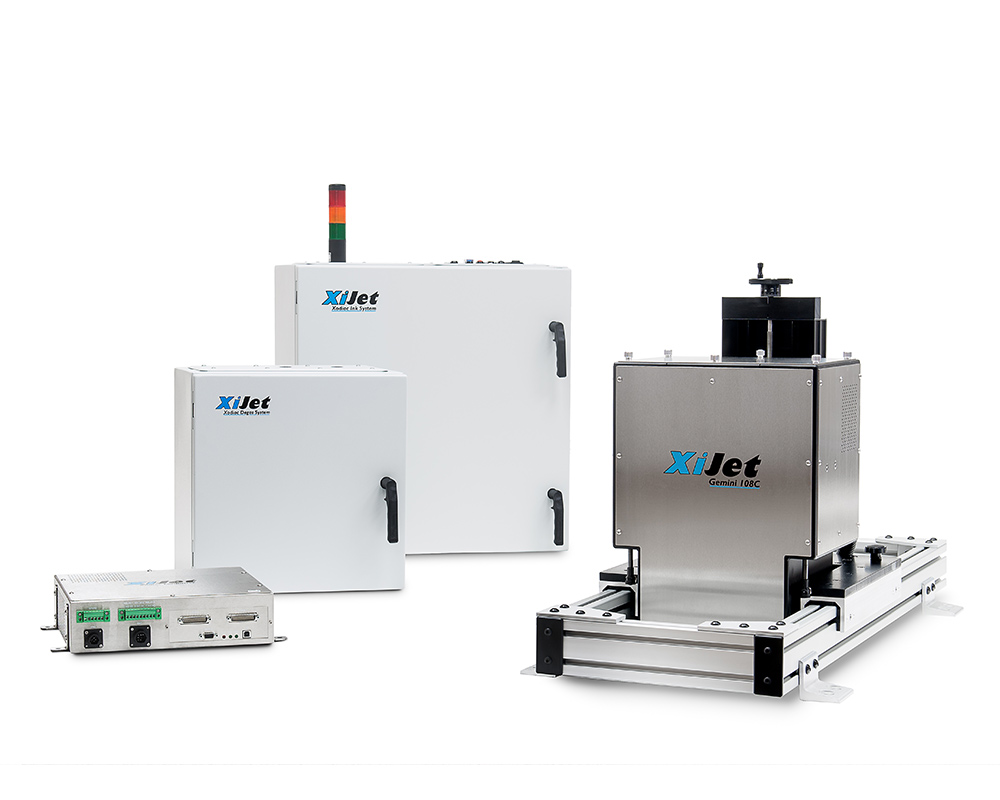
xiJet
Gemini C
A wide-format color piezo inkjet platform for printing color images, logos, and variable data in a single pass.
- Wide-format color piezo printing
- Single-pass image and variable-data output
- Modular integration with compatible equipment
Digital Printing & Finishing Equipment
Add variable text, barcodes, numbering, graphics, spot color, dual color, or full-color printing to compatible feeders, transports, webs, mail lines, packaging systems, and other production equipment.
Modular inkjet systems allow printing technology to be configured around an existing production platform instead of requiring a complete standalone press.
Explore Digital Printing & Finishing SolutionsThe print systems below cover narrow, mid-width, and wide-format configurations across thermal and piezo inkjet technologies.
xiJet print systems cover narrow through wide-format color printing for compatible production equipment.
xiJet
A wide-format color piezo inkjet platform for printing color images, logos, and variable data in a single pass.
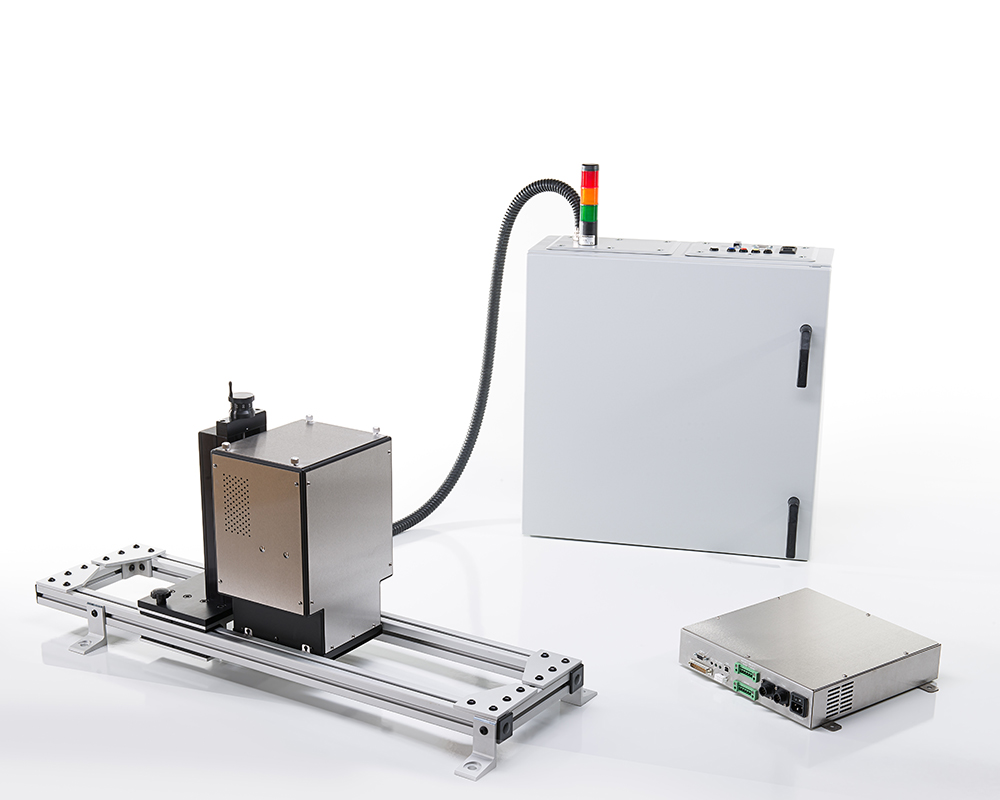
xiJet
A modular color piezo inkjet system for mid-width color graphics, logos, and variable-data printing.
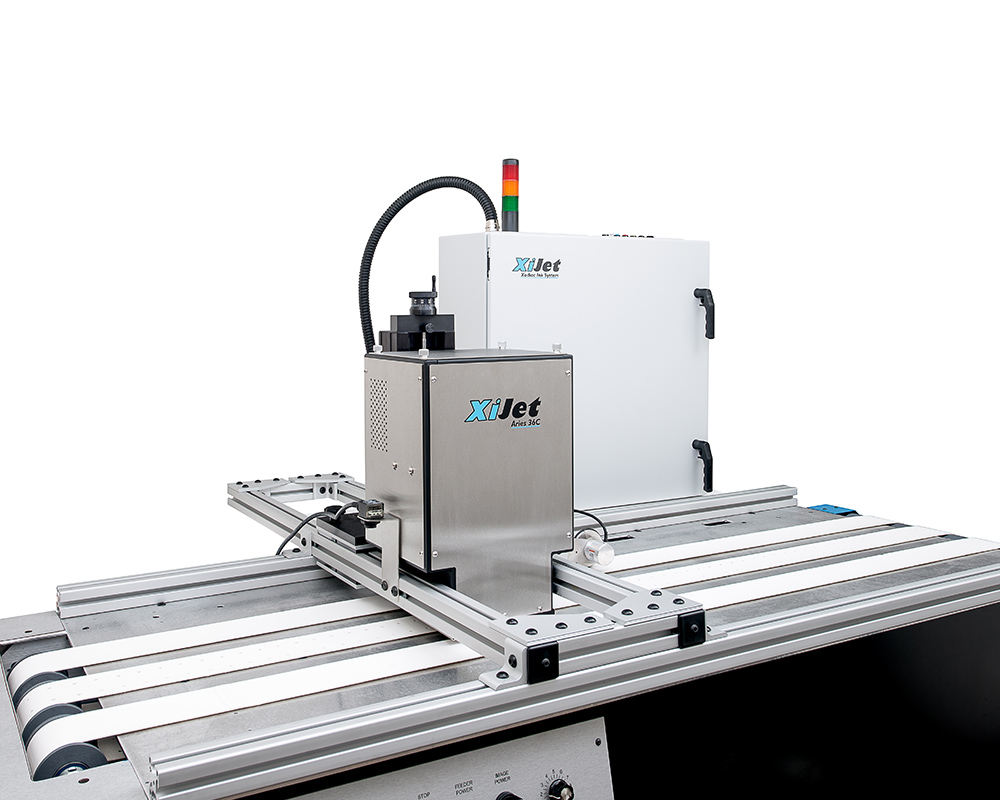
xiJet
A narrow-format color piezo inkjet system for color graphics, branding elements, and variable information.
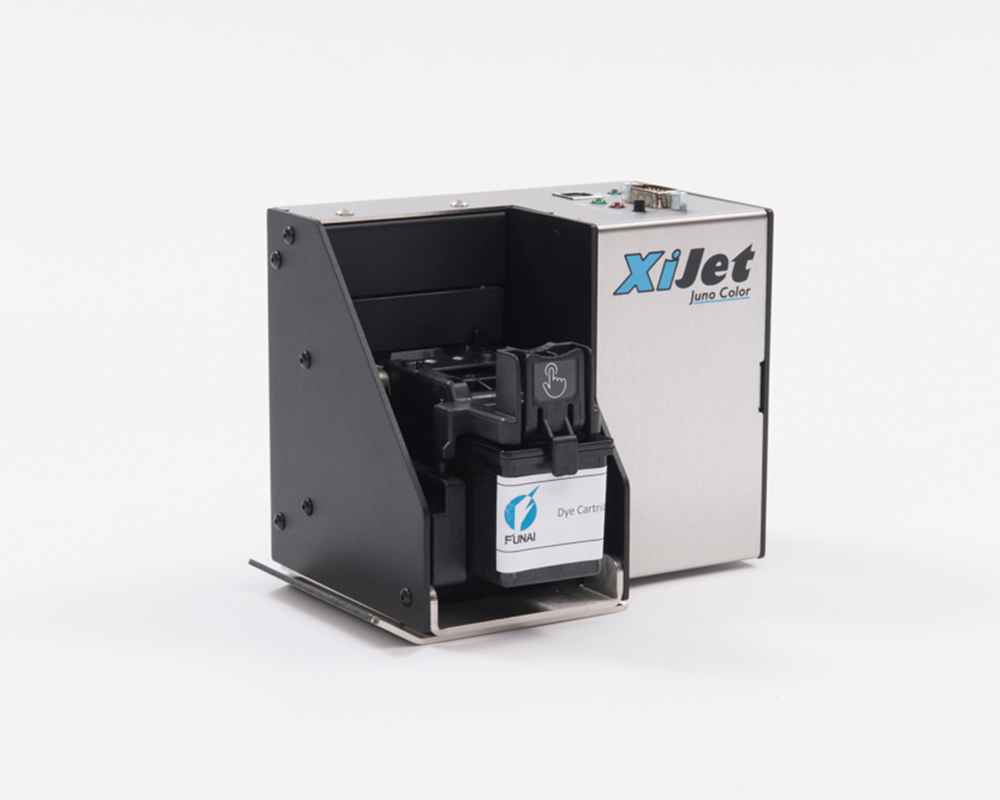
xiJet
A compact tri-color thermal inkjet system designed for variable color graphics on porous corrugated materials, folding cartons, paper labels, envelopes, and other compatible media.
Norwix TIJ 4.0 systems provide single-color, dual-color, and full-color modular production printing.
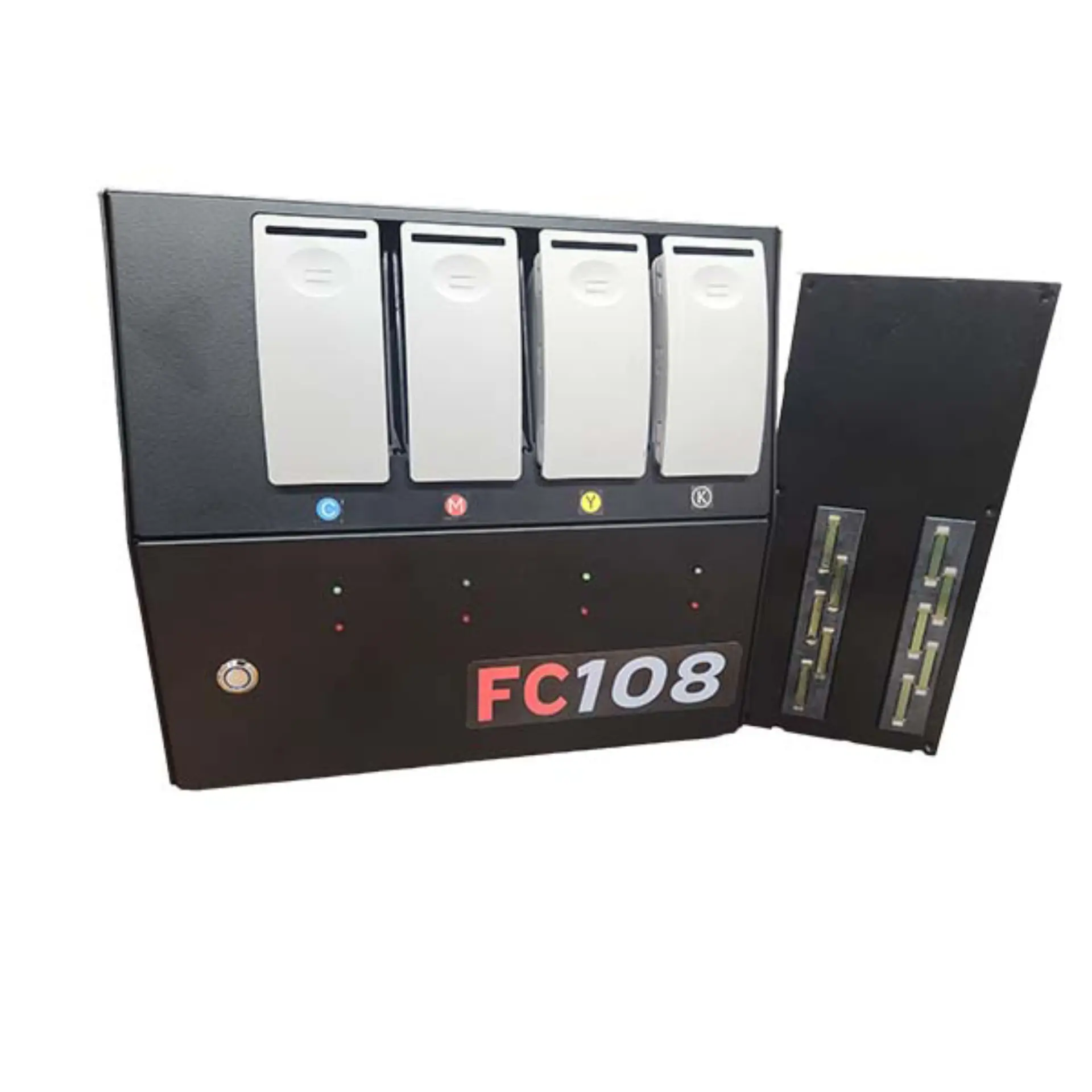
Norwix
A modular CMYK color TIJ 4.0 platform for wide-format full-color variable printing in production environments.
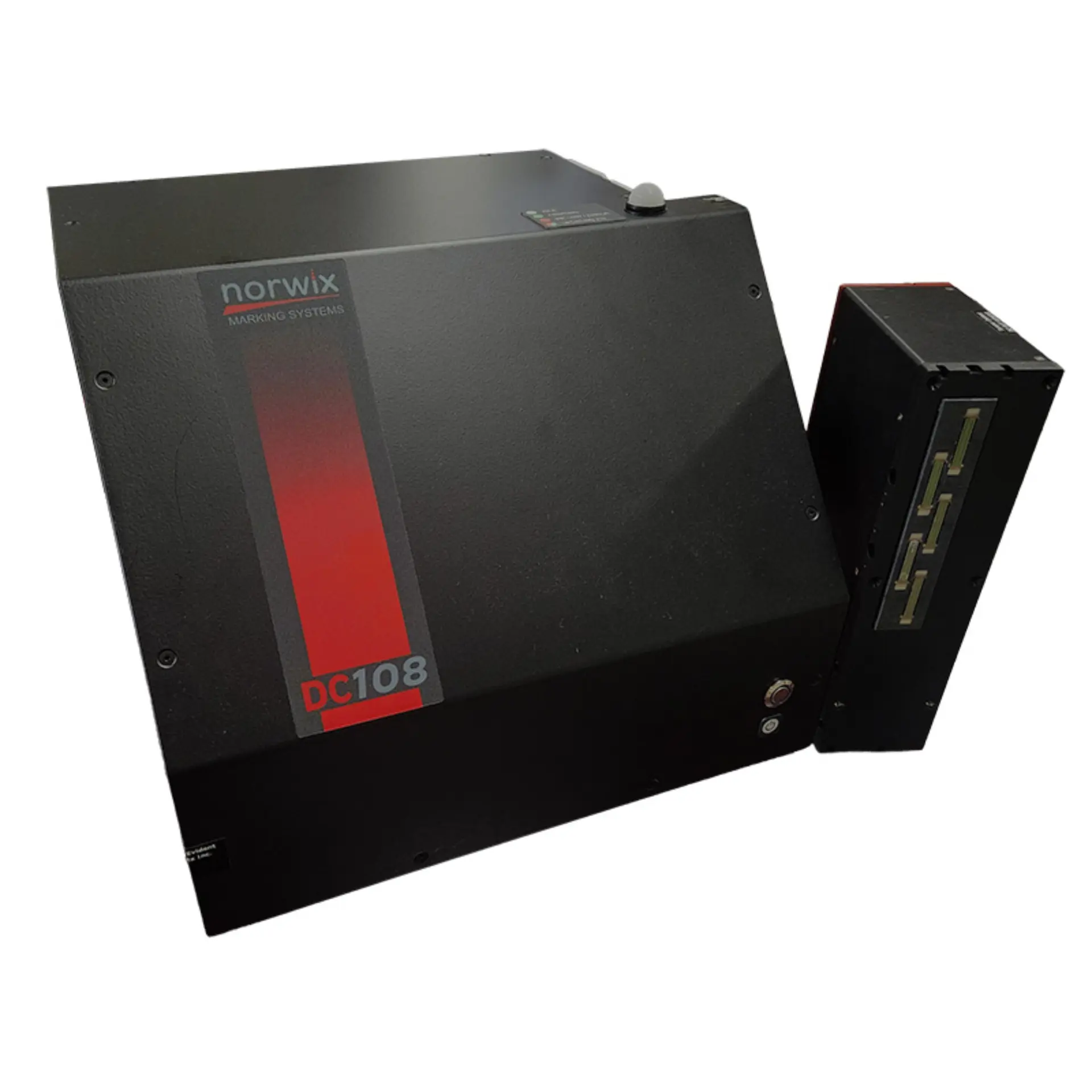
Norwix
A modular wide-format TIJ 4.0 system for single-color or dual-color production printing.
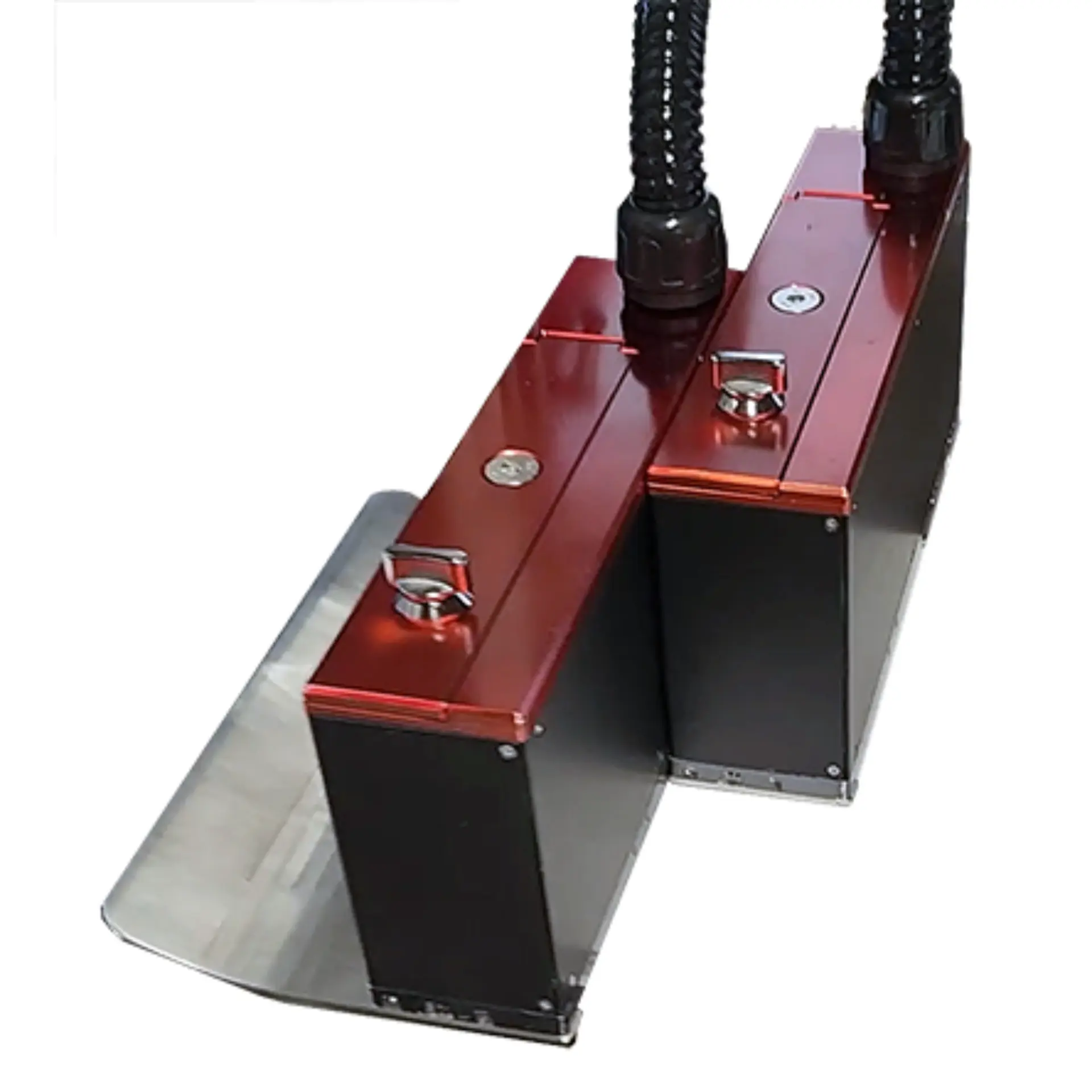
Norwix
A wide-format production variable-data system using TIJ 4.0 technology for high-resolution text, graphics, and barcodes.
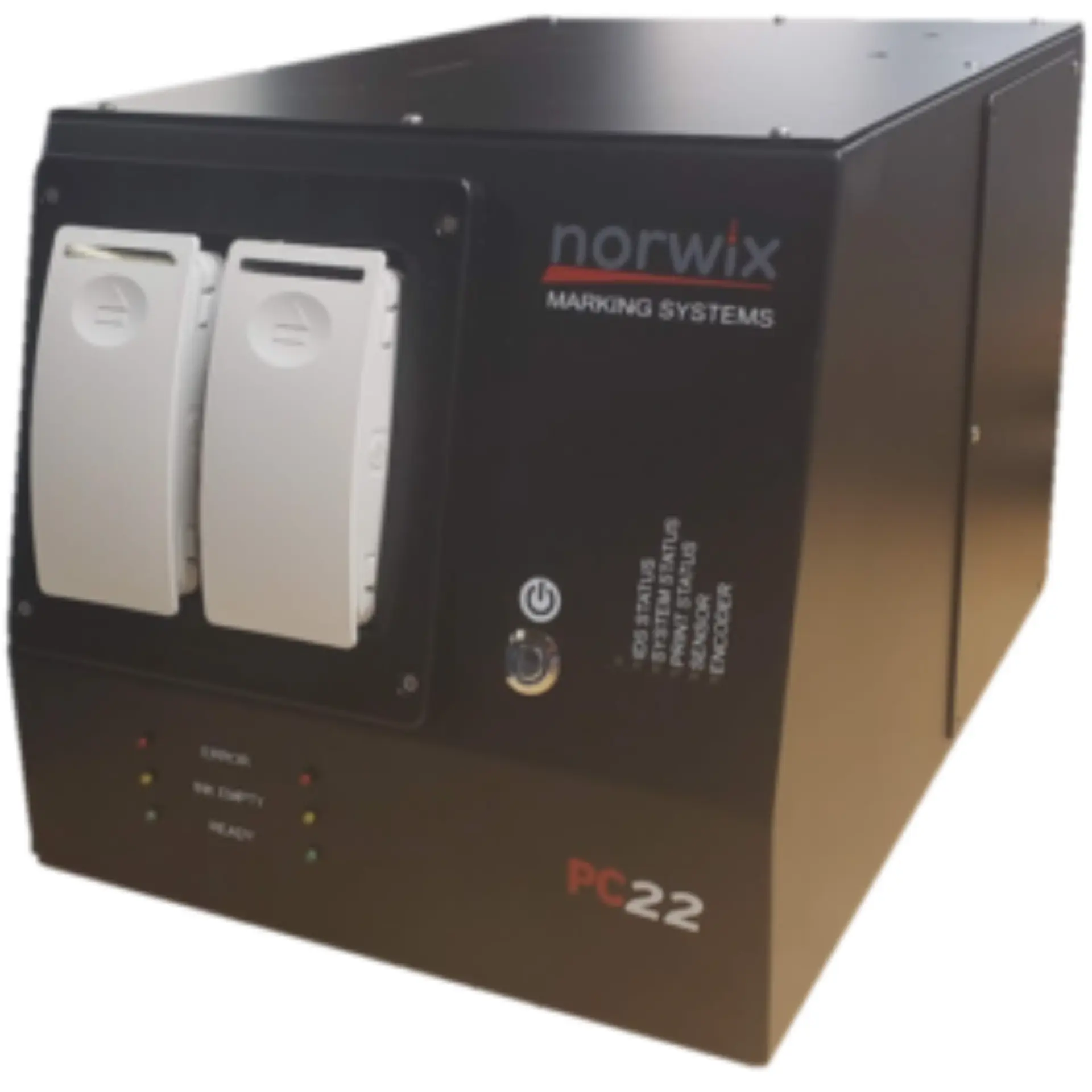
Norwix
A compact, high-throughput modular TIJ 4.0 system for variable data, barcodes, graphics, and production printing.
Modular printing decisions are usually driven by the host equipment and the material, not by the print engine alone.
Define the total printed height or width required on the product, including any margin needed for placement variation. Wider content may require multiple printhead positions.
Determine whether the application needs plain text and barcodes, a single spot color, two colors, or full-color graphics. This decision has the largest effect on system cost and complexity.
Review whether the surface is porous or coated, how quickly the ink must dry, whether the printed content must resist handling or moisture, and how the material behaves during transport.
Consider line speed, product spacing, orientation, flatness, and how consistently the product presents itself to the printhead. Unstable presentation affects print quality more than raw speed.
Identify where the print data originates, how jobs are selected, what triggers a print, and how the print system communicates with the host machine and any downstream verification.
Explore feeders, folders, inserters, addressing systems, tabbers, and verification equipment used around printed mailpieces.
Explore Print & Mail EquipmentApply dates, lot codes, barcodes, and serial numbers directly to products, packaging, and cases.
Explore Coding & Marking EquipmentConnect printing with feeding, transport, inspection, finishing, and production controls as one coordinated workflow.
Explore Integrated SystemsConsider a complete standalone color printing system when the application needs its own feeding, transport, and output handling.
Explore Production Color PrintersRelated Solution
Explore how artwork, variable data, printing technology, media handling, finishing, inspection, and downstream workflow requirements come together around the completed printed application.
Connect printing equipment with feeders, transports, finishing, inspection, mail systems, packaging equipment, and production controls.
Explore Integrated SystemsRequest installation, training, preventive maintenance, troubleshooting, and repair support for eligible printing and finishing equipment.
Explore Service & SupportA modular inkjet system is a printing assembly made up of printheads, controllers, ink delivery, software, and mounting hardware that is installed onto compatible production equipment. The host machine moves the product, and the print system adds the printed content.
In many cases a print system can be added to existing equipment, but compatibility must be confirmed. Print width, line speed, product presentation, mounting space, distance from the printhead to the surface, ink and material compatibility, and control signals all determine whether an integration is practical.
A production color printer is a complete system with its own transport, feeding, and output handling. A modular inkjet system supplies only the printing capability and depends on the surrounding equipment to feed, move, register, and collect the product.
Useful details include the material and its surface, the required print width and content, line speed, product spacing and orientation, available mounting space, existing machine controls, data sources, and photographs or video of the current process.
Share how the current process runs and ATP can help evaluate whether a modular print system fits the equipment already in place.