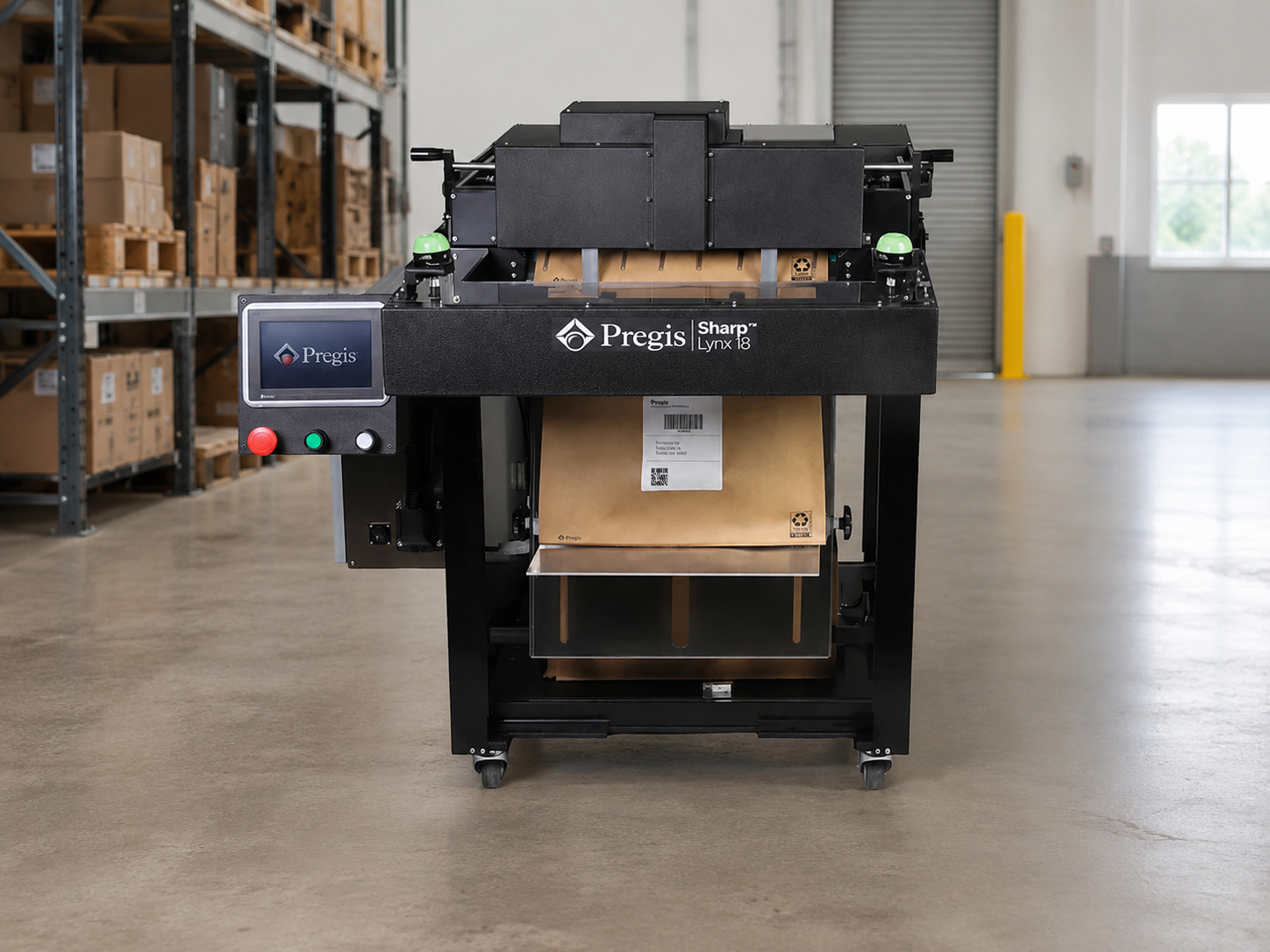
Automatic Bagging & Mailer Systems
Equipment for loading and sealing products in pre-opened bags, poly mailers, or vertically formed film packages.
- Tabletop and automatic baggers
- Ecommerce and fulfillment mailers
- Vertical bagging and overwrapping
Equipment Category
Equipment for bagging, forming, filling, packing, protecting, sealing, strapping, wrapping, palletizing, and documenting products and loads.
Explore standalone machinery and connected packaging technologies selected around the product, package format, production volume, protection requirements, available space, and downstream workflow.
Explore Packaging Automation Solutions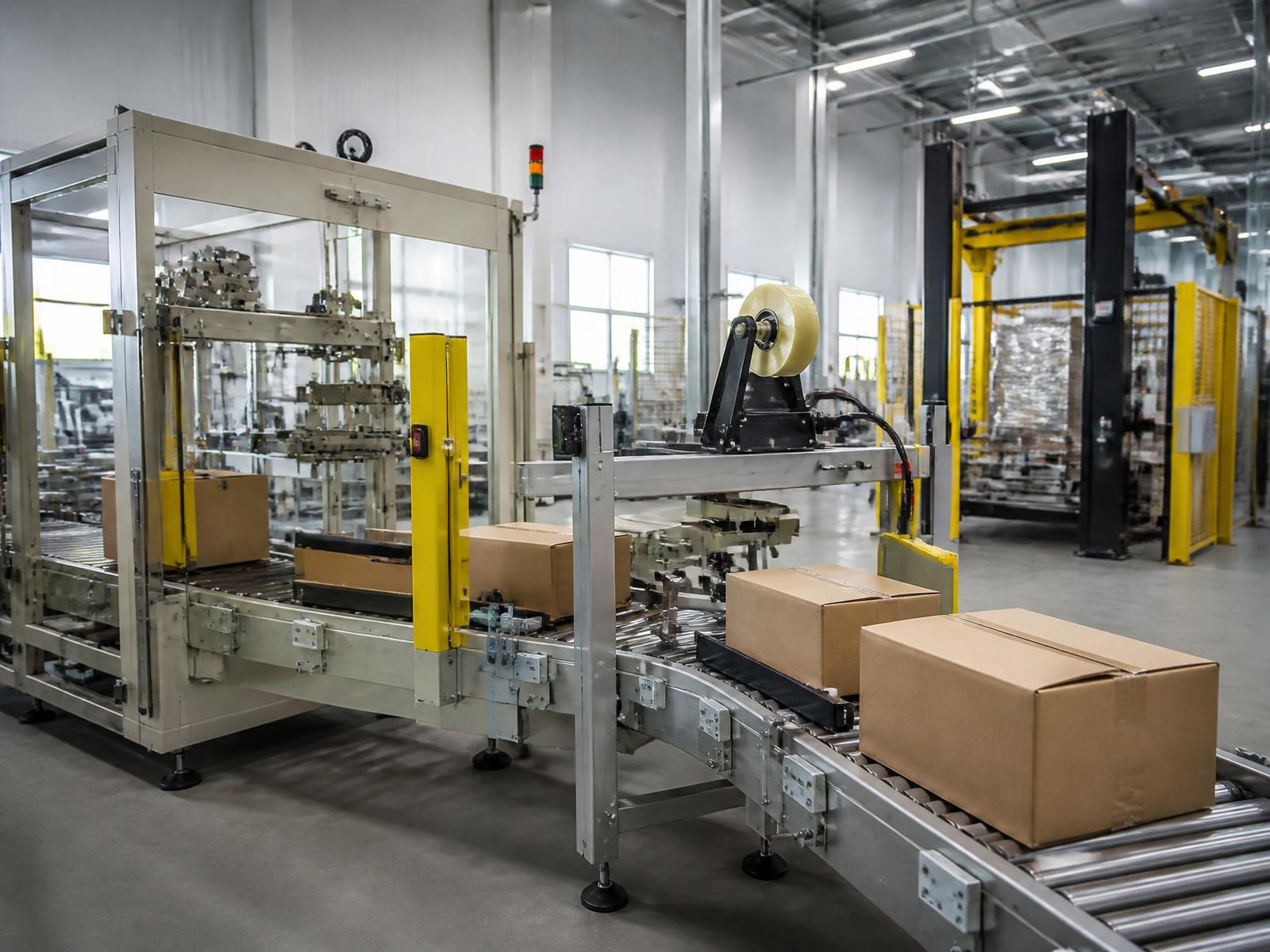
Packaging automation equipment performs one or more of the production steps used to prepare products for storage, fulfillment, distribution, or shipment. A system may bag an individual product, create a package from rollstock, form and load a case, add protective material, seal or strap the package, wrap a pallet, or document the completed load.
The correct equipment depends on the product, packaging material, finished package, production volume, level of operator involvement, protection requirements, job variety, floor space, and equipment before and after the packaging step.
Create the package and load the product using automated baggers, mailer systems, horizontal flow wrappers, or vertical form-fill-seal equipment.
Erect cases, form cartons, load products, create right-sized corrugated packaging, and add the cushioning or protective method required for shipment.
Seal cases with tape or glue, then secure cartons, bundles, or pallet loads with the appropriate strapping method.
Build and stabilize pallet loads, apply stretch film, and document the finished load before storage or shipment.
Each pathway groups equipment by the packaging step it performs.
Equipment for loading and sealing products in pre-opened bags, poly mailers, or vertically formed film packages.
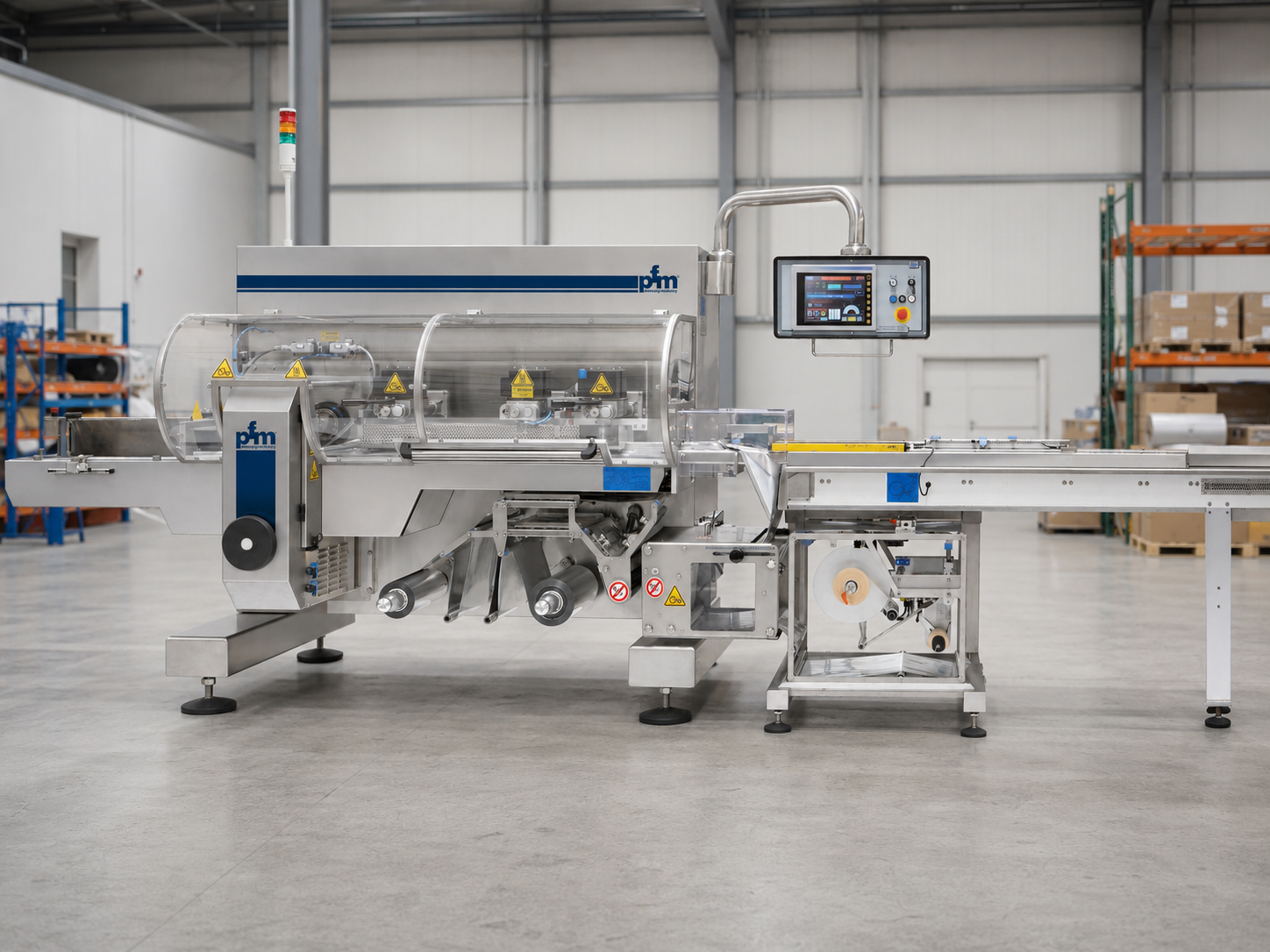
Horizontal and vertical equipment that forms packages from rollstock, fills or loads the product, and completes the seal.
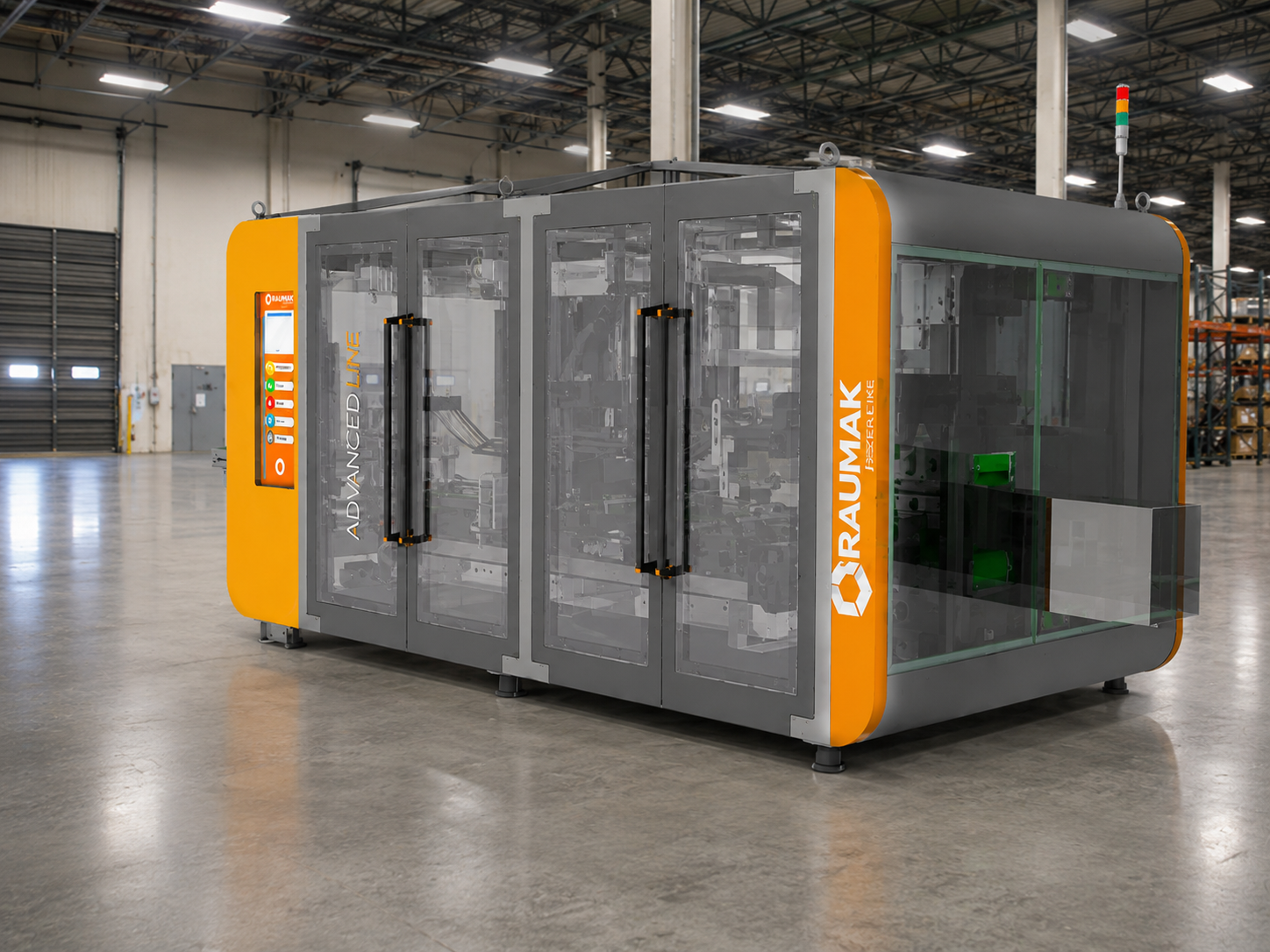
Systems for erecting cases and trays, forming cartons, loading products, and creating right-sized corrugated packaging.
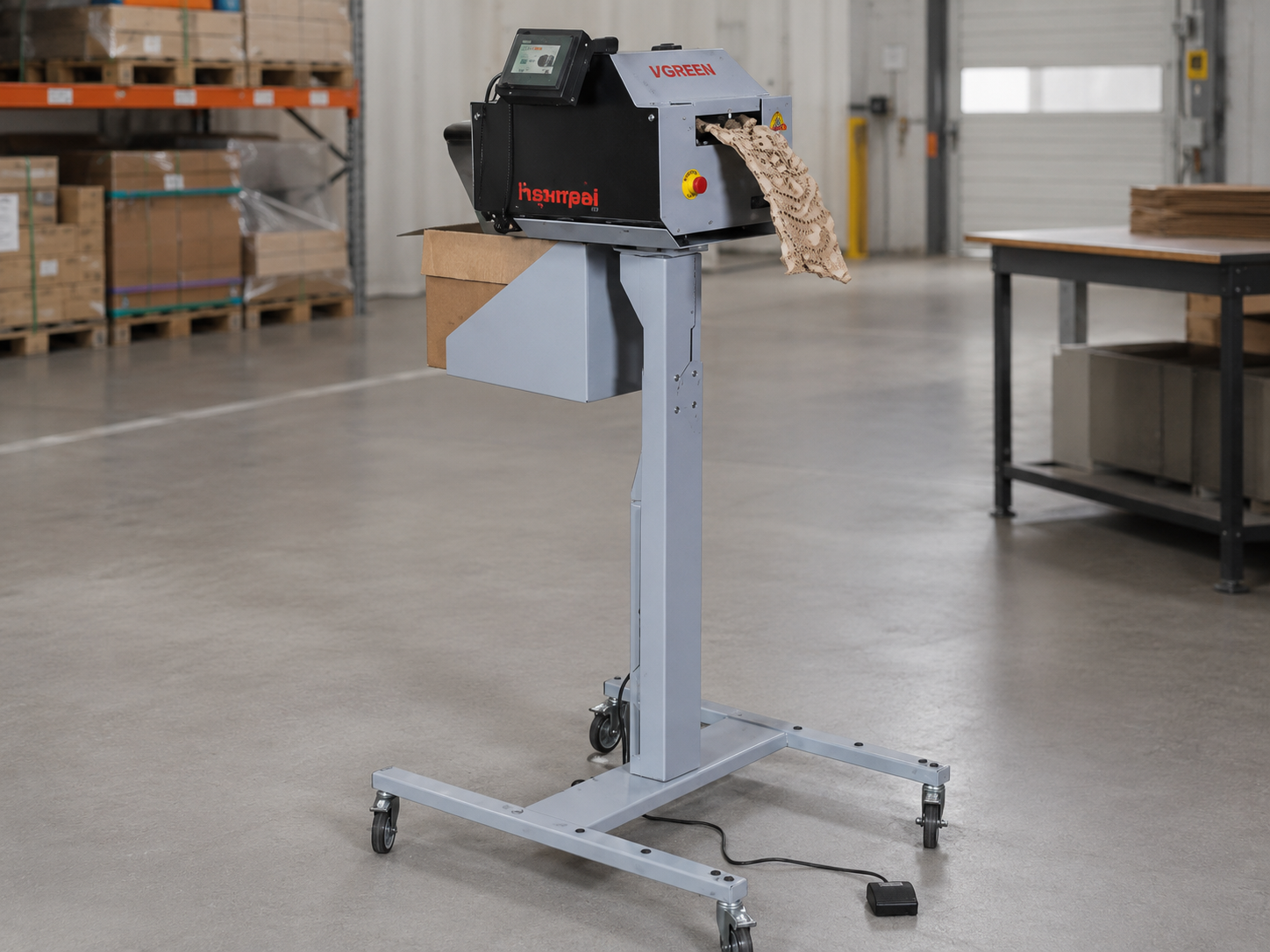
Equipment for cushioning, void fill, cold-seal packaging, shrink packaging, skin packaging, and other protective methods.
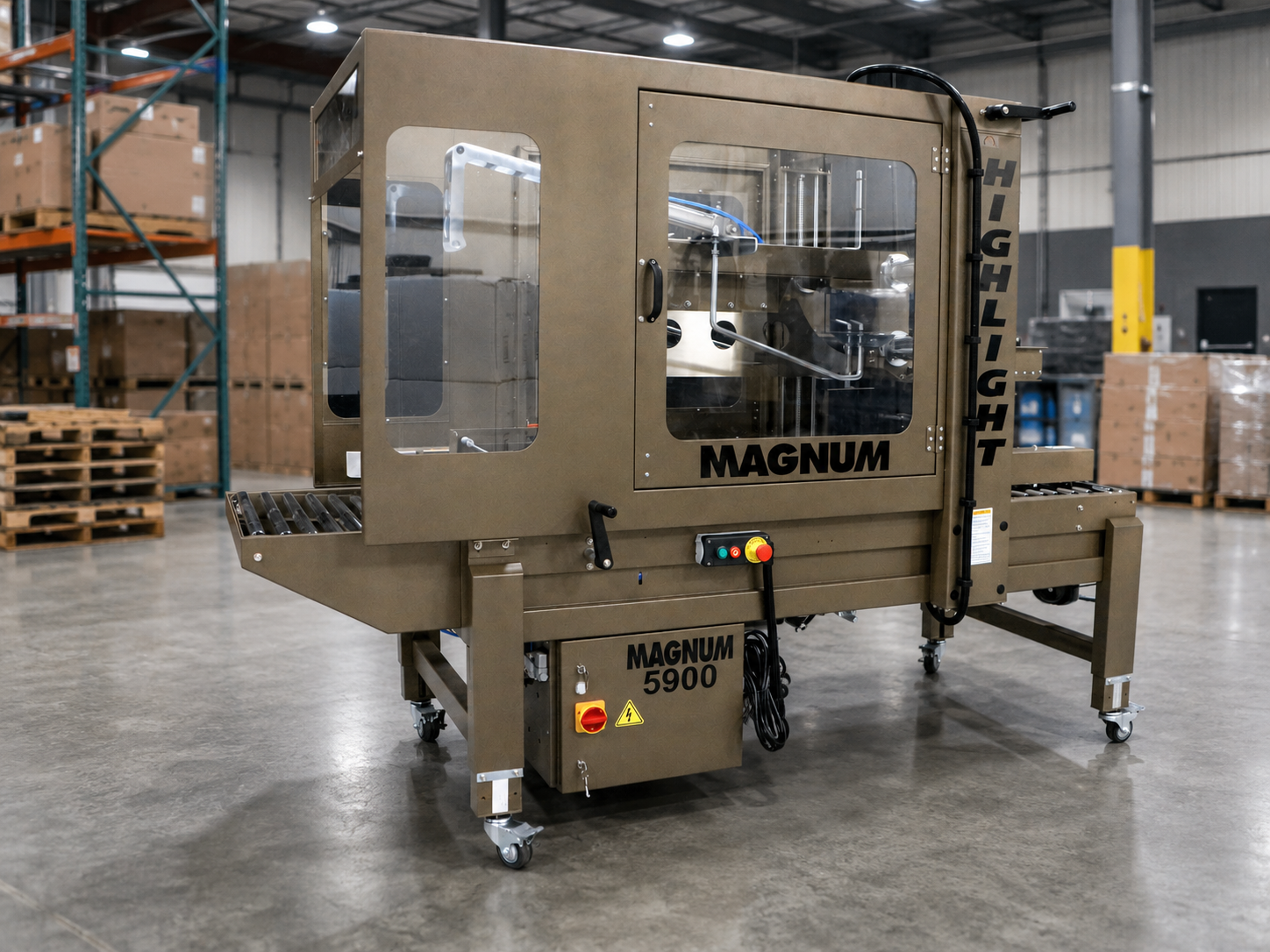
Close corrugated cases and secure packages, bundles, and pallet loads using tape, glue, or plastic strapping.
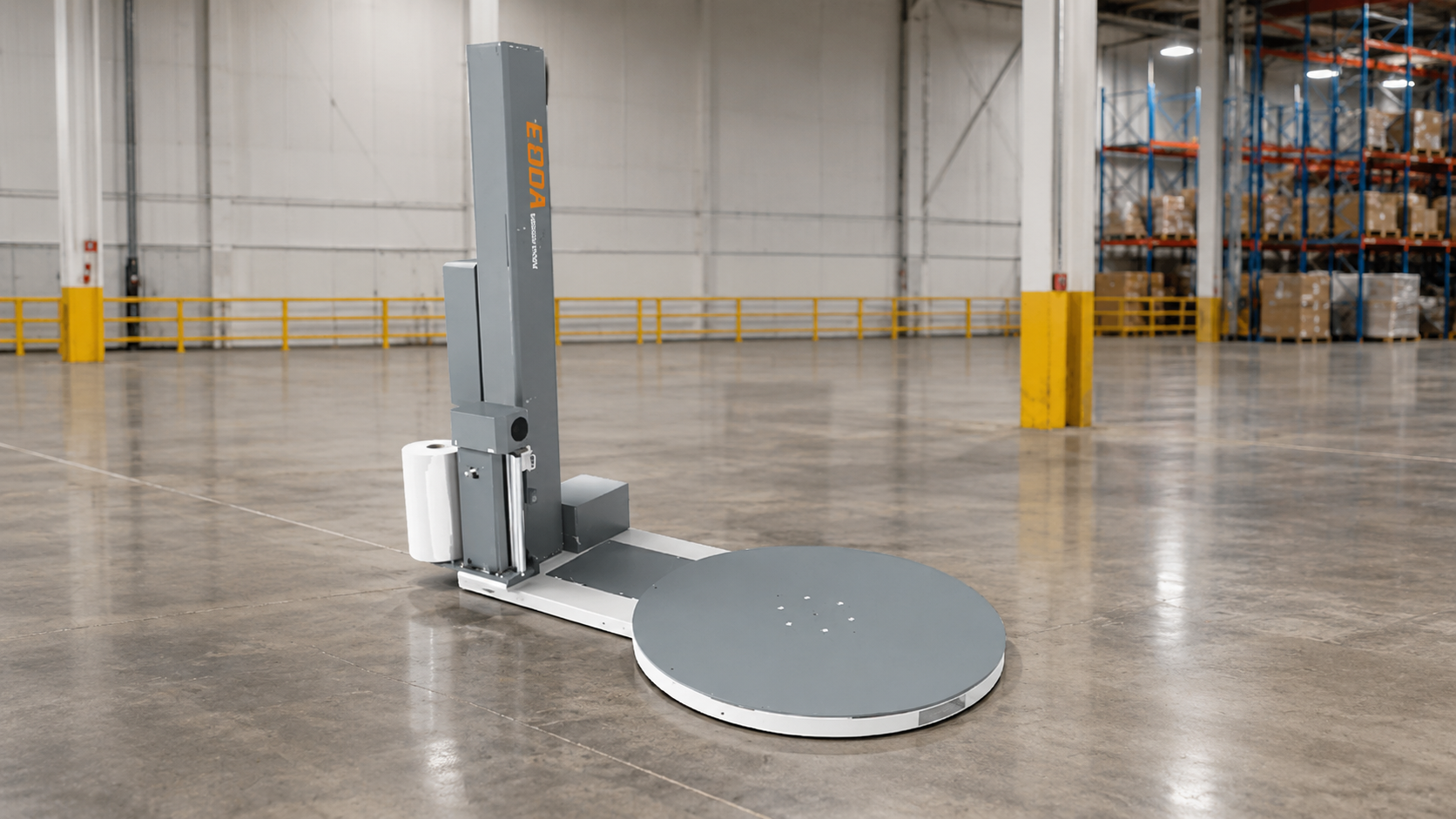
Equipment for wrapping, stabilizing, strapping, and building pallet loads before storage or shipment.
Right-Sized Packaging
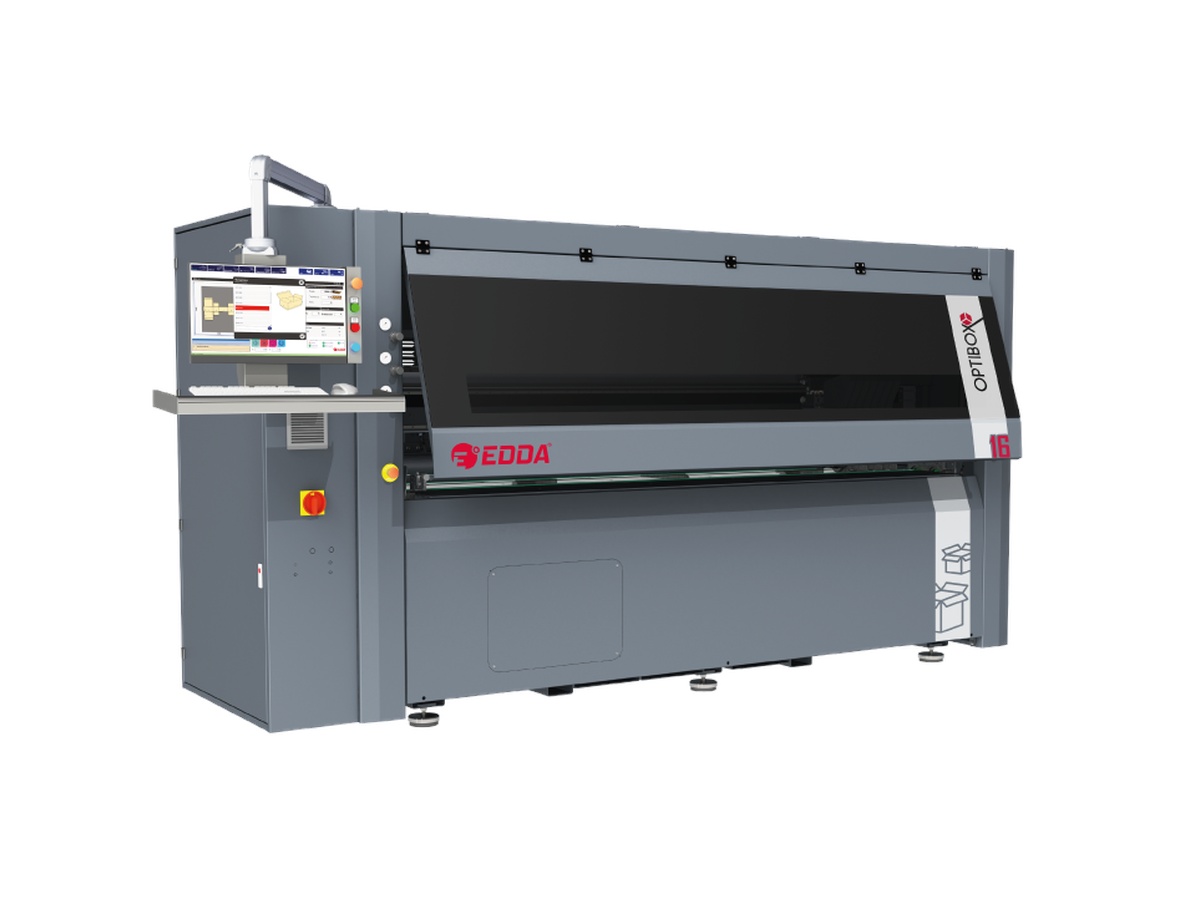
Produce made-to-measure corrugated boxes on demand instead of forcing every order into a limited selection of stocked carton sizes. The Right Choice Box Machine helps high-mix packaging operations create boxes closer to the required dimensions while reducing dependence on oversized cartons, excess void fill, and large inventories of pre-made boxes.
ATP’s private-label box-on-demand solution, manufactured by Edda.
A selection of the manufacturers and technology providers supporting ATP packaging applications. Additional manufacturers appear on the equipment-type pages.









Document the product dimensions, weight, shape, fragility, orientation, packaging material, and required finished package.
Review average production, peak demand, package formats, product changes, operator involvement, and expected growth.
Determine how the product must be contained, cushioned, sealed, strapped, wrapped, stabilized, or documented.
Review upstream equipment, downstream handling, floor space, utilities, material staging, line controls, operators, and available installation space.
ATP provides selected equipment for automatic bagging, form-fill-seal, flow wrapping, case forming, cartoning, case packing, protective packaging, sealing, strapping, stretch wrapping, and palletizing. Available equipment depends on the application and current manufacturer portfolio.
Yes. Many operations begin by addressing one bottleneck, such as bagging, case erecting, sealing, strapping, stretch wrapping, or palletizing. ATP can evaluate how a standalone machine may fit with the existing workflow.
Equipment from multiple manufacturers can often be coordinated, but mechanical layout, product handling, controls, line speed, safety, utilities, and equipment compatibility must be evaluated.
Helpful information includes product samples, package dimensions, packaging materials, production volume, required speed, current labor steps, protection requirements, available floor space, existing equipment, and photographs or video of the process.
Tell ATP Equipment Solutions what you are packaging, how the process works today, where the bottleneck occurs, and what the completed package or pallet must accomplish.