Material Handling & End-of-Line Automation

Material Handling & End-of-Line Automation Solutions

Keep products, cases, and pallets moving through production with material handling automation built around your product flow, throughput, available space, inspection requirements, and downstream process.

ATP Equipment Solutions helps businesses evaluate conveyors, accumulation, transfers, sortation, inspection, pallet handling, and documentation systems for standalone applications or connected production workflows.

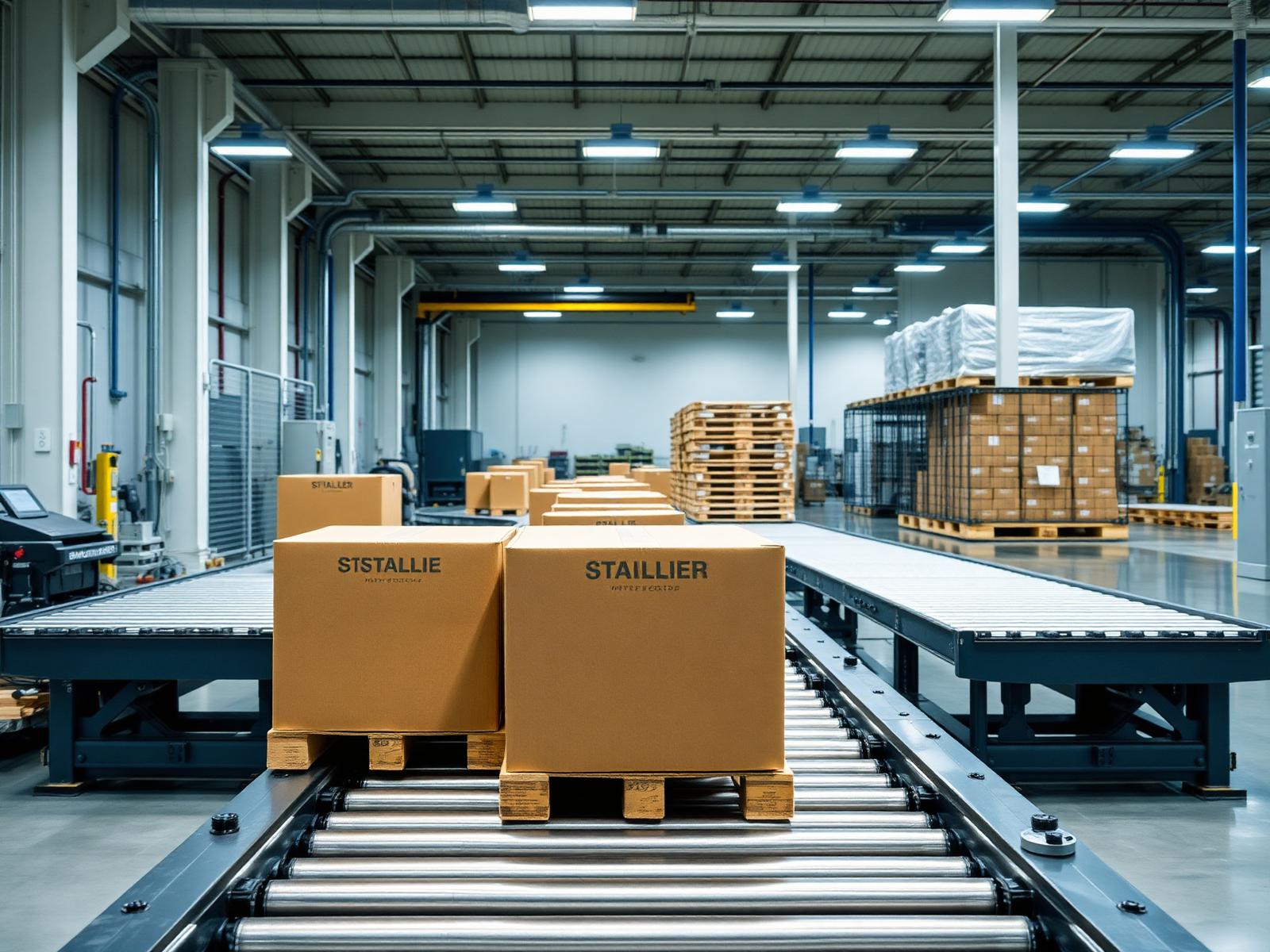
Cases moving on powered conveyors toward inspection and pallet staging in a production facility

What Is Material Handling Automation?

Material handling automation uses equipment and controls to move, position, accumulate, inspect, document, and route products, cases, and pallet loads through production. A solution may address one transfer point or coordinate several end-of-line stages before finished goods move into staging, storage, or shipping.

The right approach depends on what is being moved, required throughput, product spacing, accumulation needs, inspection requirements, floor space, line controls, and the equipment before and after the handling system.

Control the Flow From Production to Shipping

A successful material-handling system should move products at the rate required by the complete operation while maintaining the orientation, spacing, and information needed at each downstream stage.

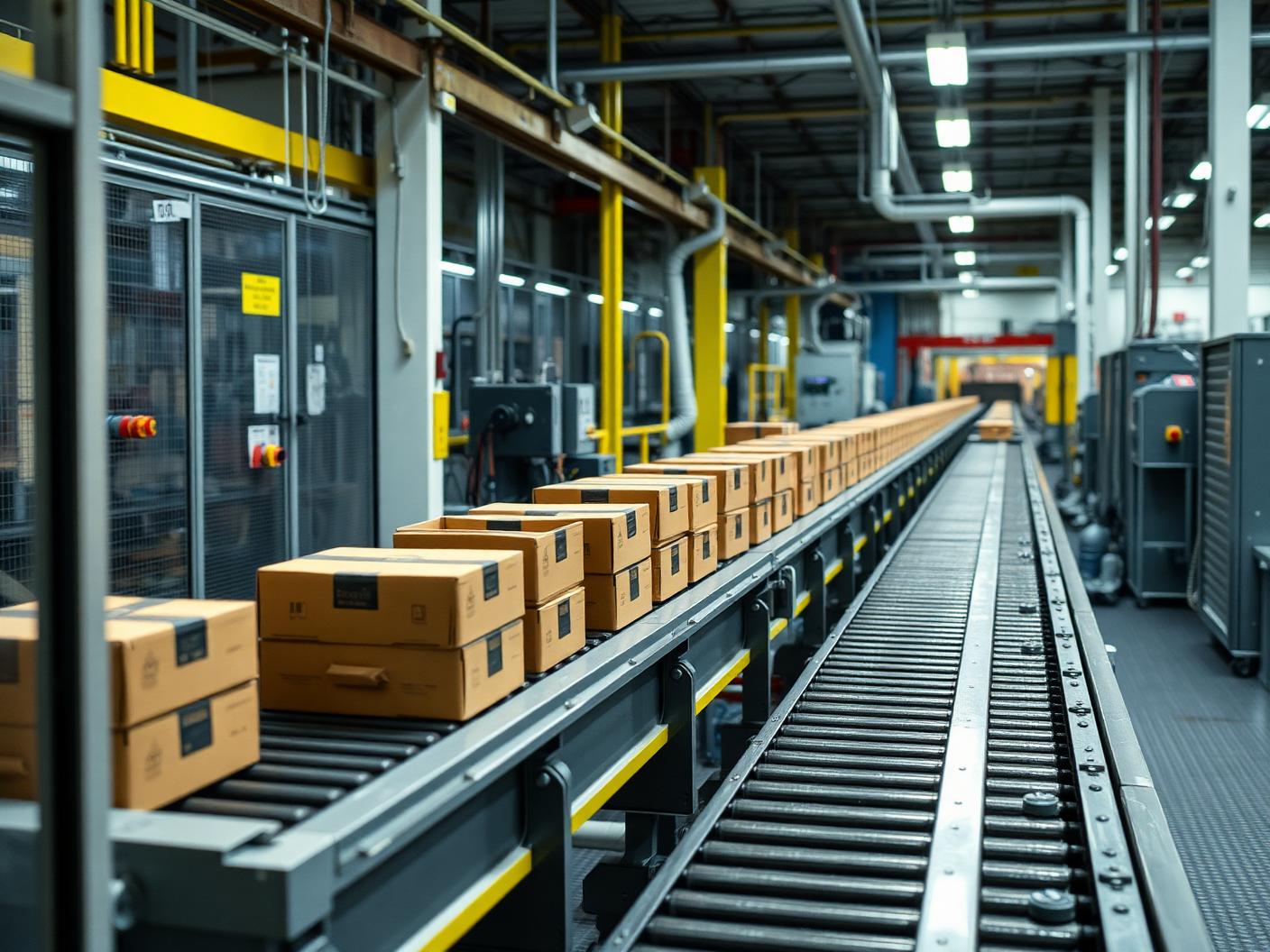
Powered conveyor and accumulation section moving corrugated cases through a production plant
01

Convey & Accumulate

Move products and cases between production stages while creating controlled accumulation that helps balance changes in equipment speed and short interruptions.

The layout should account for product dimensions, weight, orientation, throughput, accumulation requirements, and operator access.
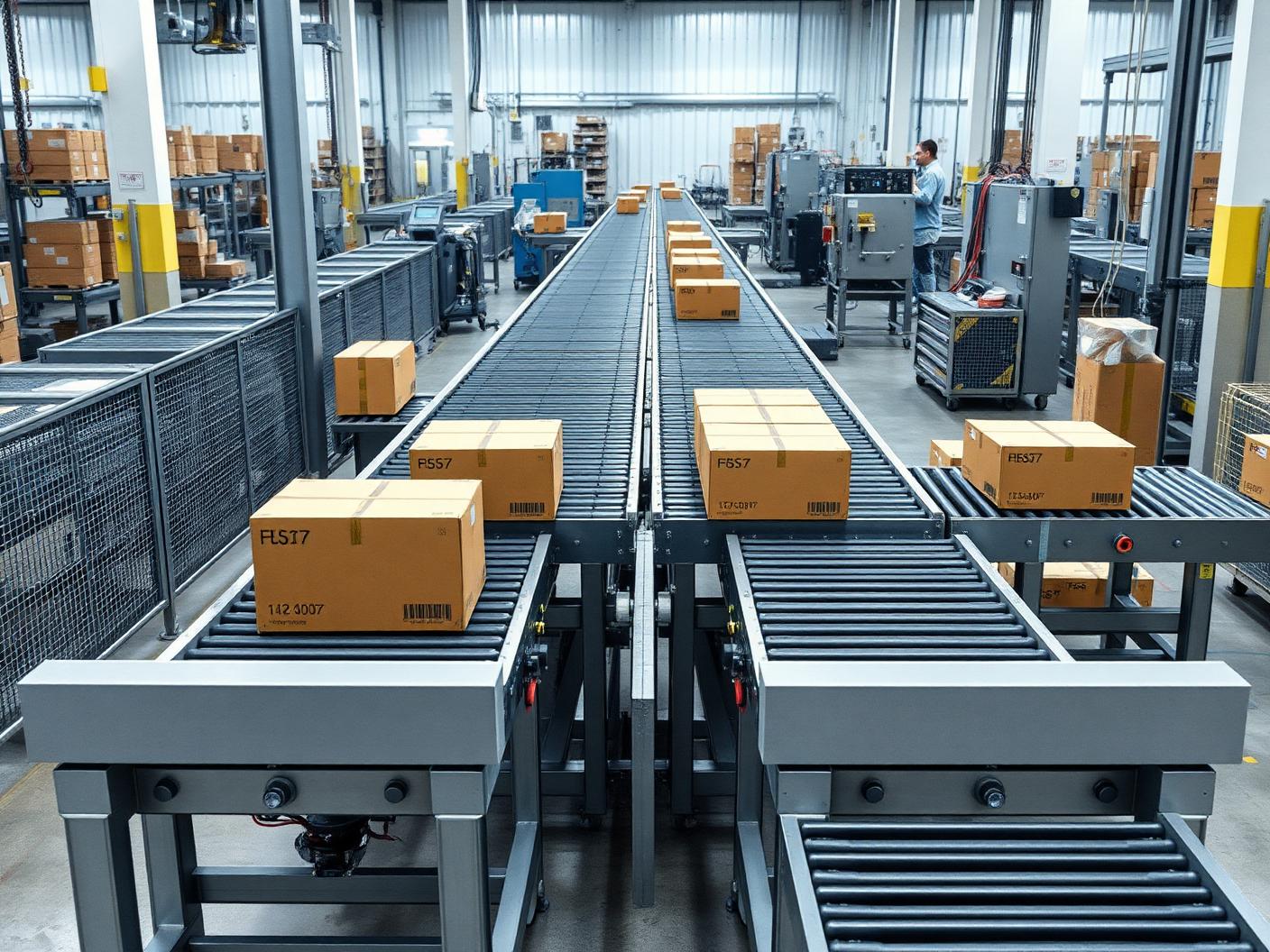
Conveyor merge and diverter routing cases into separate lanes on a production line
02

Position, Transfer & Sort

Space, guide, merge, divert, transfer, or sort items so they enter the next process in the correct position and follow the appropriate production path.

Reliable routing depends on consistent product presentation, sensors, controls, conveyor design, and downstream capacity.

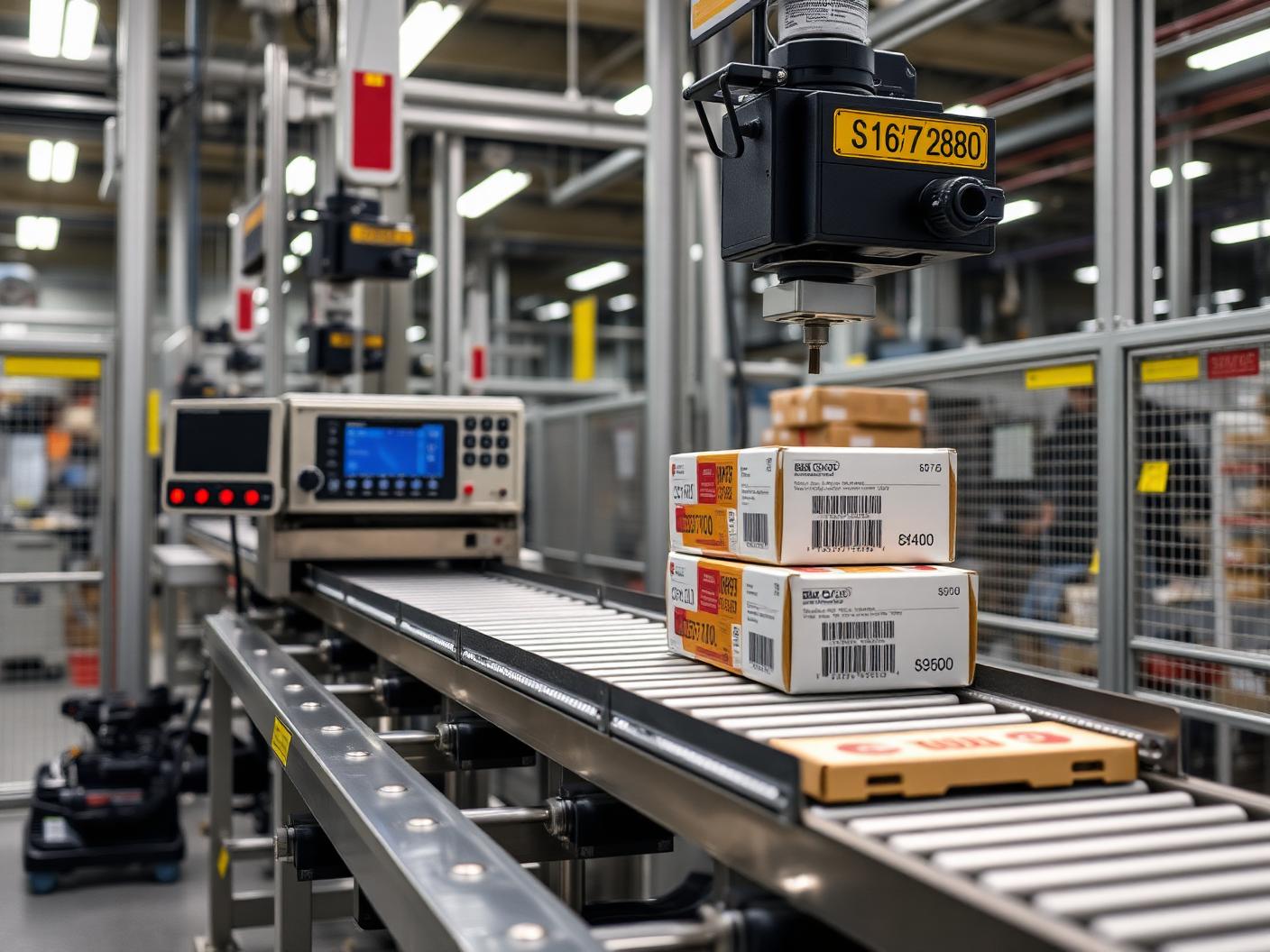
Inline checkweighing and barcode scanning inspection station reading cases on a conveyor
03

Inspect, Weigh & Document

Add inspection, barcode reading, checkweighing, dimensioning, image capture, or other documentation processes when the application requires greater visibility before shipment.

When supported by the selected system, pallet documentation may capture images, dimensions, weight, and shipment information at or near the wrap point.

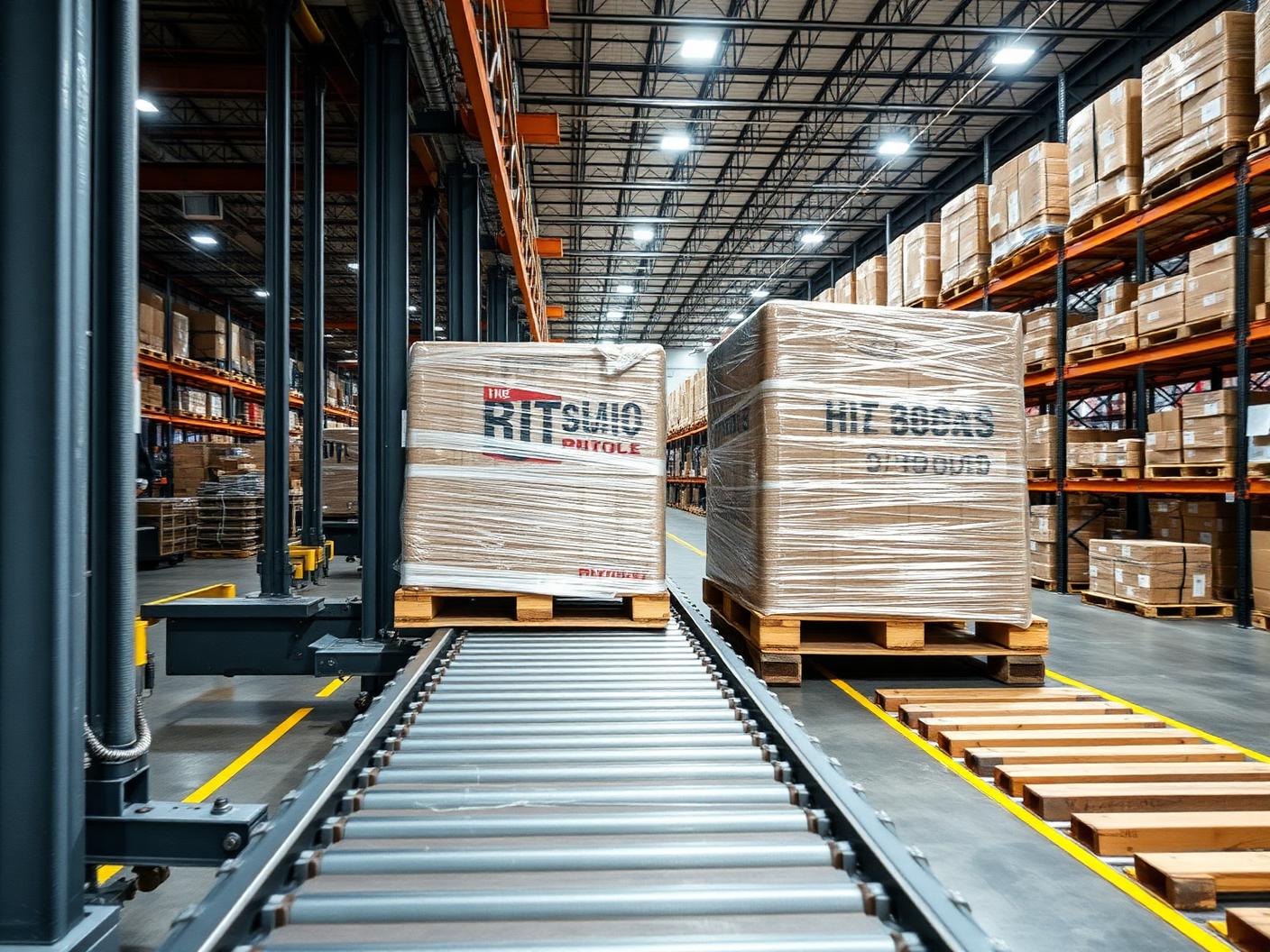
Wrapped pallet load moving along a pallet conveyor toward a shipping staging area
04

Handle Pallets & Route Finished Loads

Move completed cases and pallet loads toward palletizing, wrapping, labeling, staging, storage, or shipping using equipment configured around the load, facility, and required destination.

Pallet handling should account for load dimensions, weight, stability, fork access, conveyor compatibility, floor space, and the next step in the shipping workflow.

Pallet Verification & Documentation

Add Visibility at the Wrap Point

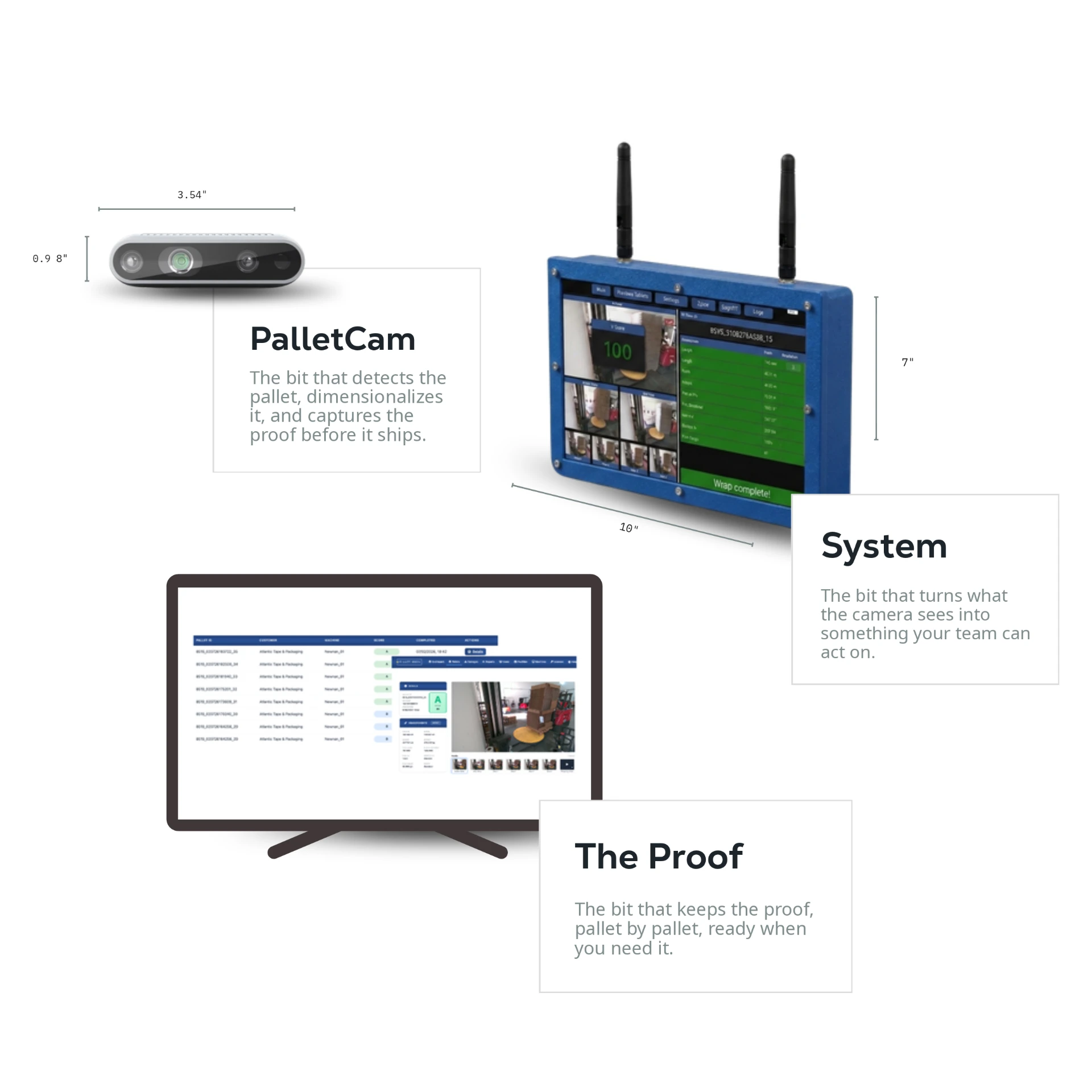
PalletVision captures visual and measurement data while the pallet is being wrapped, giving operators and managers a time-stamped record that can be reviewed when load condition, wrap quality, shipment documentation, or freight claims are questioned.

  • Automated pallet image capture
  • Precise pallet-dimension capture
  • Wrap-integrity and Load Health Score visibility
  • Time-stamped digital load records
  • On-site operator feedback
  • Weight data when supported by the approved configuration

Available data depends on the approved PalletVision configuration, existing wrapper, facility setup, and connected measurement equipment.

Explore PalletVision
PalletVision components: PalletCam sensor, wrap-point display system, and pallet proof records dashboard

What Determines the Right Material-Handling System?

The right system is based on the complete product flow, not simply the advertised speed of an individual conveyor.

01

Product, Case, or Load

Evaluate dimensions, weight, shape, stability, orientation, surface, packaging condition, and how each item can be supported or transferred.

02

Throughput and Accumulation

Review production rate, product spacing, peak periods, upstream and downstream speeds, expected interruptions, and the amount of buffering the line requires.

03

Inspection and Data Requirements

Determine whether the workflow requires barcode reading, weighing, dimensioning, image capture, label verification, product tracking, or shipment documentation.

04

Facility and Existing Equipment

Review floor space, elevation changes, operator access, utilities, guarding, controls, traffic patterns, and the equipment before and after the handling system.

ATP uses this information to help determine whether the application requires a standalone conveyor, an accumulation or sortation section, a pallet-handling process, or a more connected end-of-line system.

Discuss Your End-of-Line Workflow

Explore Material Handling & Conveyor Equipment

Browse equipment used to move, accumulate, position, inspect, document, sort, and route products, cases, and pallet loads.

Browse All Material Handling Equipment
  • Conveyor & Accumulation Systems
  • Transfers, Merges & Sortation
  • Product & Case Handling Systems
  • Inspection, Weighing & Dimensioning
  • Pallet Handling & Documentation Systems

Connect Material Flow to the Rest of Production

Packaging Automation

Connect conveyors and product handling with case forming, packing, sealing, strapping, wrapping, and palletizing.

Explore Packaging Automation

Labeling & Print-and-Apply

Add product, case, shipping, and pallet labels as items move through the end-of-line process.

Explore Labeling & Print-and-Apply

Coding & Marking

Apply dates, lot numbers, barcodes, and other variable information directly to products and cases before downstream routing.

Explore Coding & Marking

Need Multiple Systems Working Together?

Explore ATP's capabilities for connecting conveyors, packaging equipment, labeling, coding, inspection, pallet handling, controls, and production data.

Explore Integrated Systems

Material Handling & End-of-Line Automation FAQs

What is end-of-line automation?

End-of-line automation coordinates the movement and handling of products, cases, and pallets during the final stages of production. It may include conveyors, accumulation, inspection, labeling, pallet handling, documentation, wrapping, and routing toward storage or shipping.

Why is accumulation important in a production line?

Accumulation provides controlled space between production stages so short interruptions or differences in equipment speed do not immediately stop the complete line. The required amount depends on throughput, product stability, available floor space, and how the surrounding equipment operates.

Can new conveyors be added to an existing production line?

In many applications, conveyor sections, transfers, accumulation, or inspection stations can be added to an existing process. Product dimensions, line speed, elevation, controls, available space, guarding, and equipment handoffs must be reviewed first.

What information does ATP need to evaluate a material-handling application?

Helpful information includes product or case dimensions, weights, production rate, current line layout, accumulation requirements, inspection needs, destinations, available space, surrounding equipment, and photographs or video of the process.

Create a More Controlled End-of-Line Workflow

Tell ATP Equipment Solutions what needs to move, where production slows down, what information must be captured, and where completed products or loads need to go next.