Equipment Category

Labeling & Print-and-Apply Equipment

Systems for dispensing, printing, applying, encoding, and verifying labels on products, containers, flat items, cases, cartons, and pallet loads.

Explore container labelers, modular label heads, print-and-apply stations, end-of-line systems, and RFID workflows selected around the product, the label, the application method, and the data behind it.

Explore Labeling & Print-and-Apply Solutions
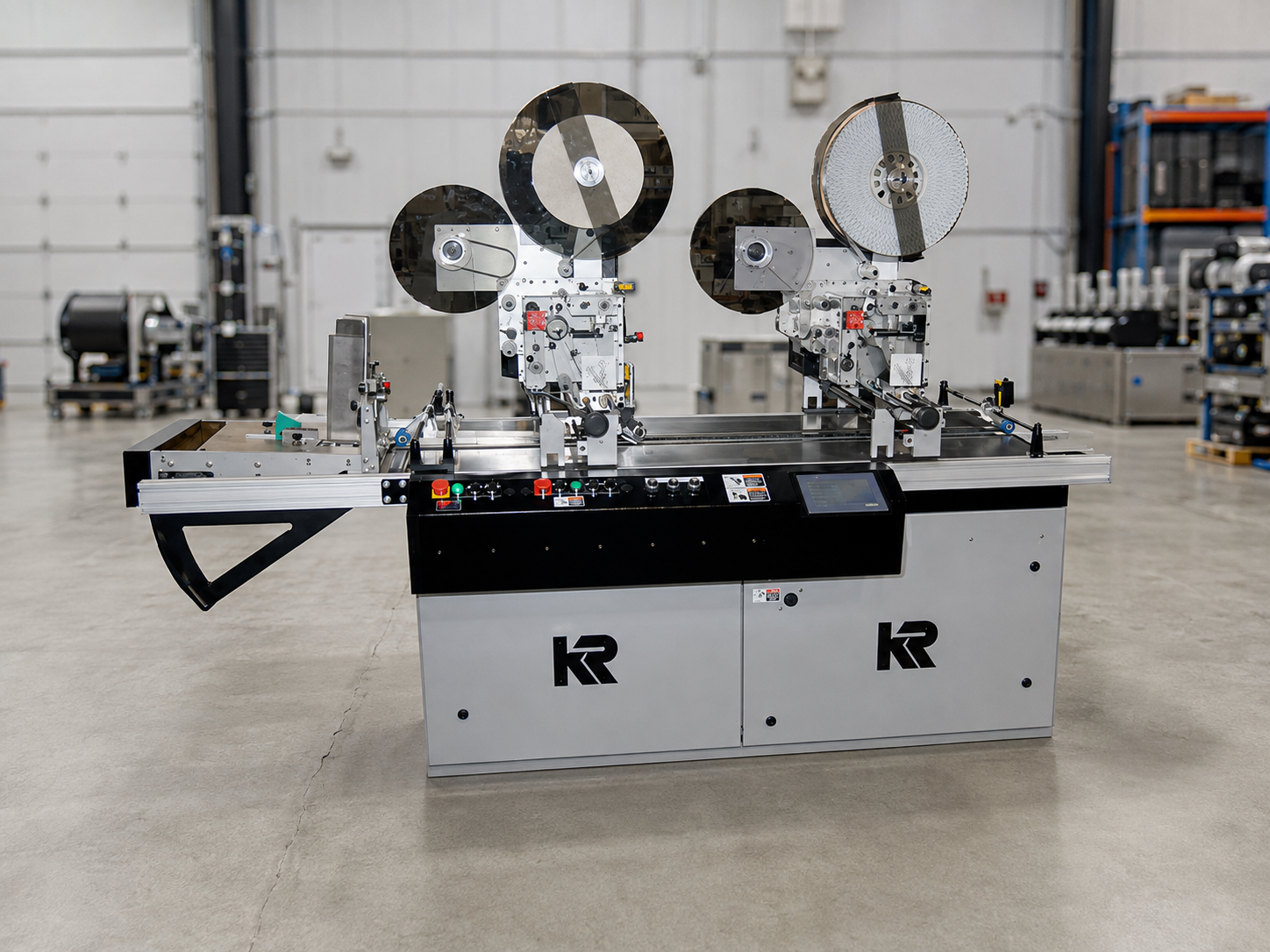
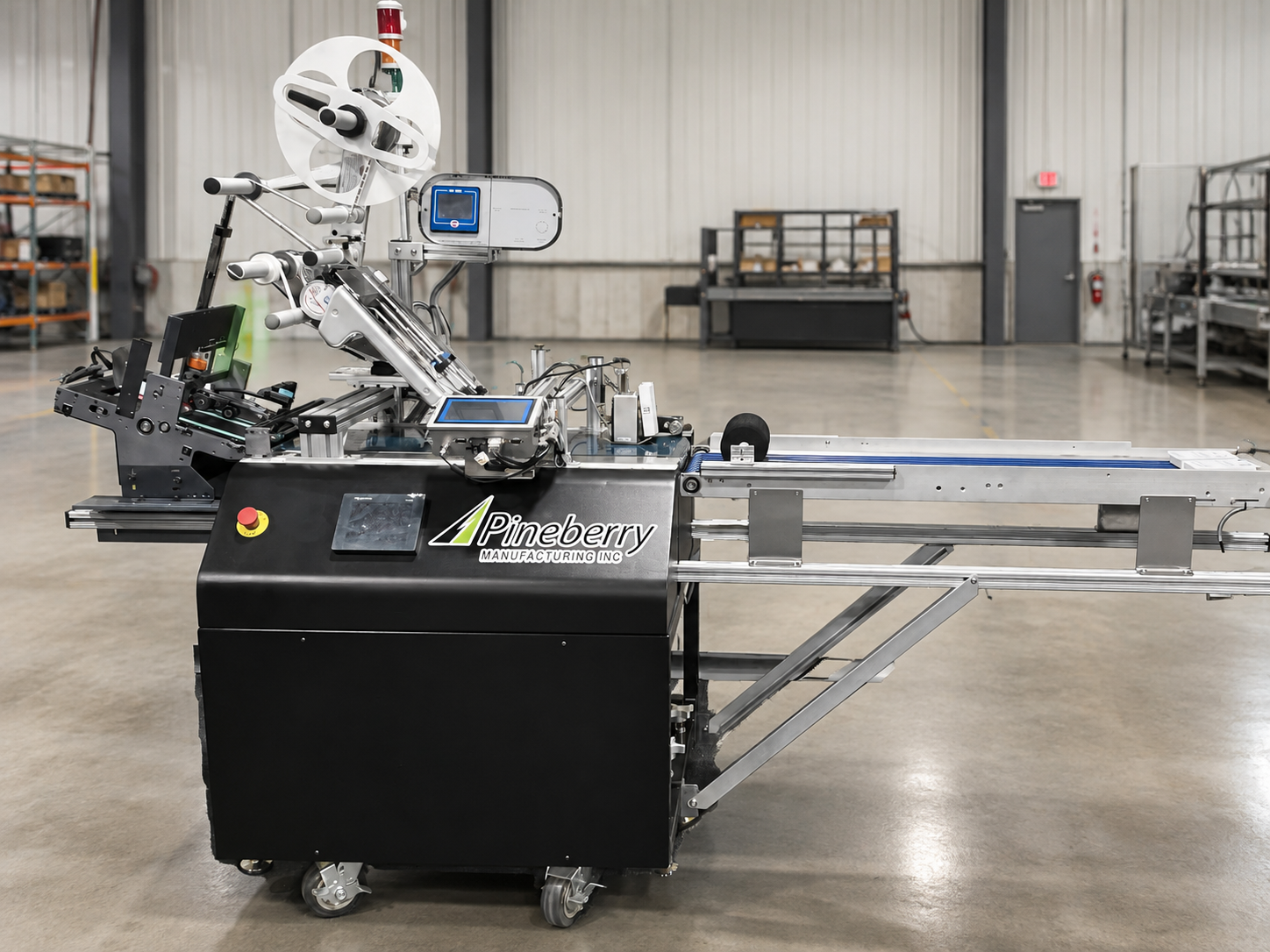
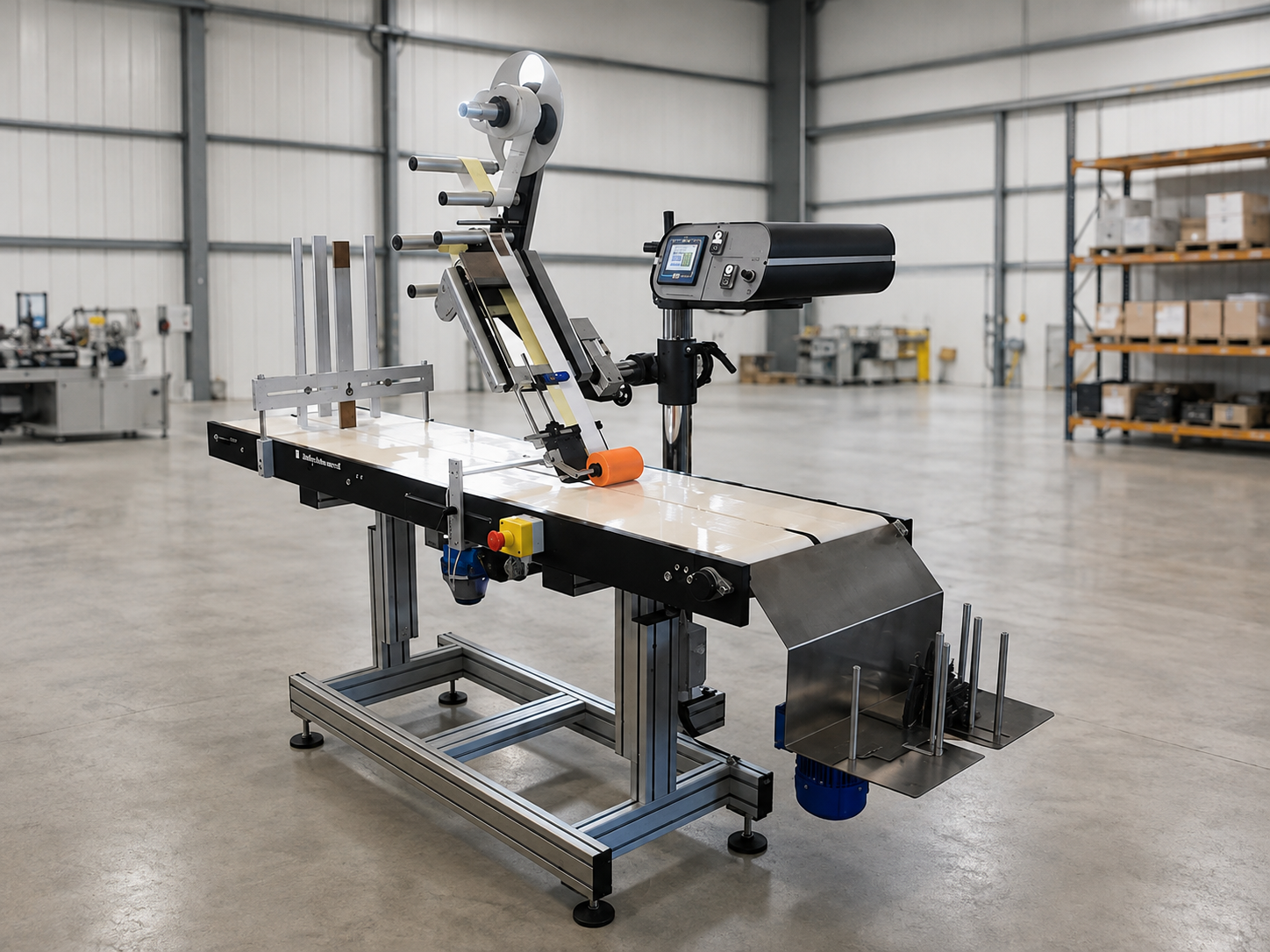
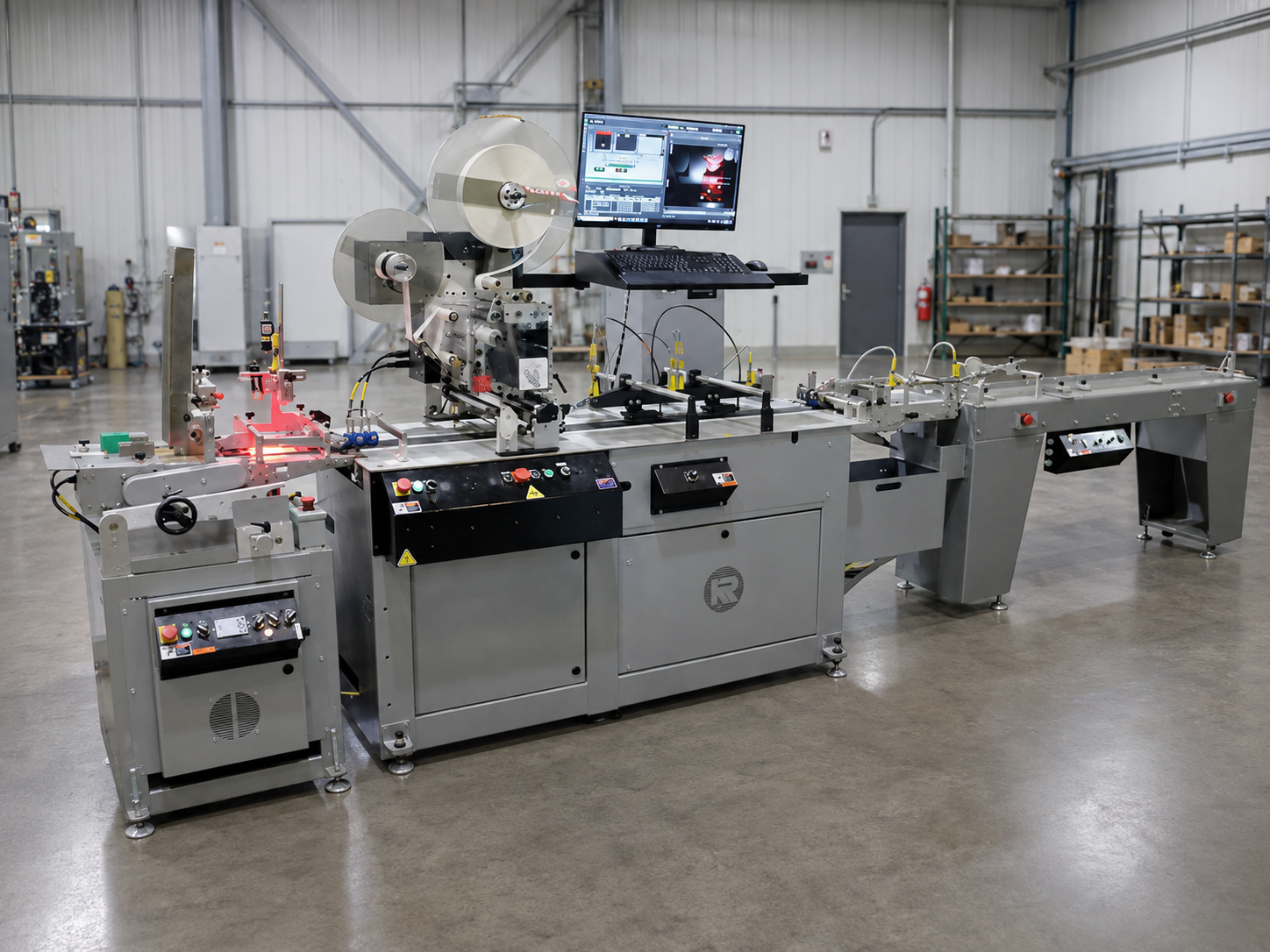
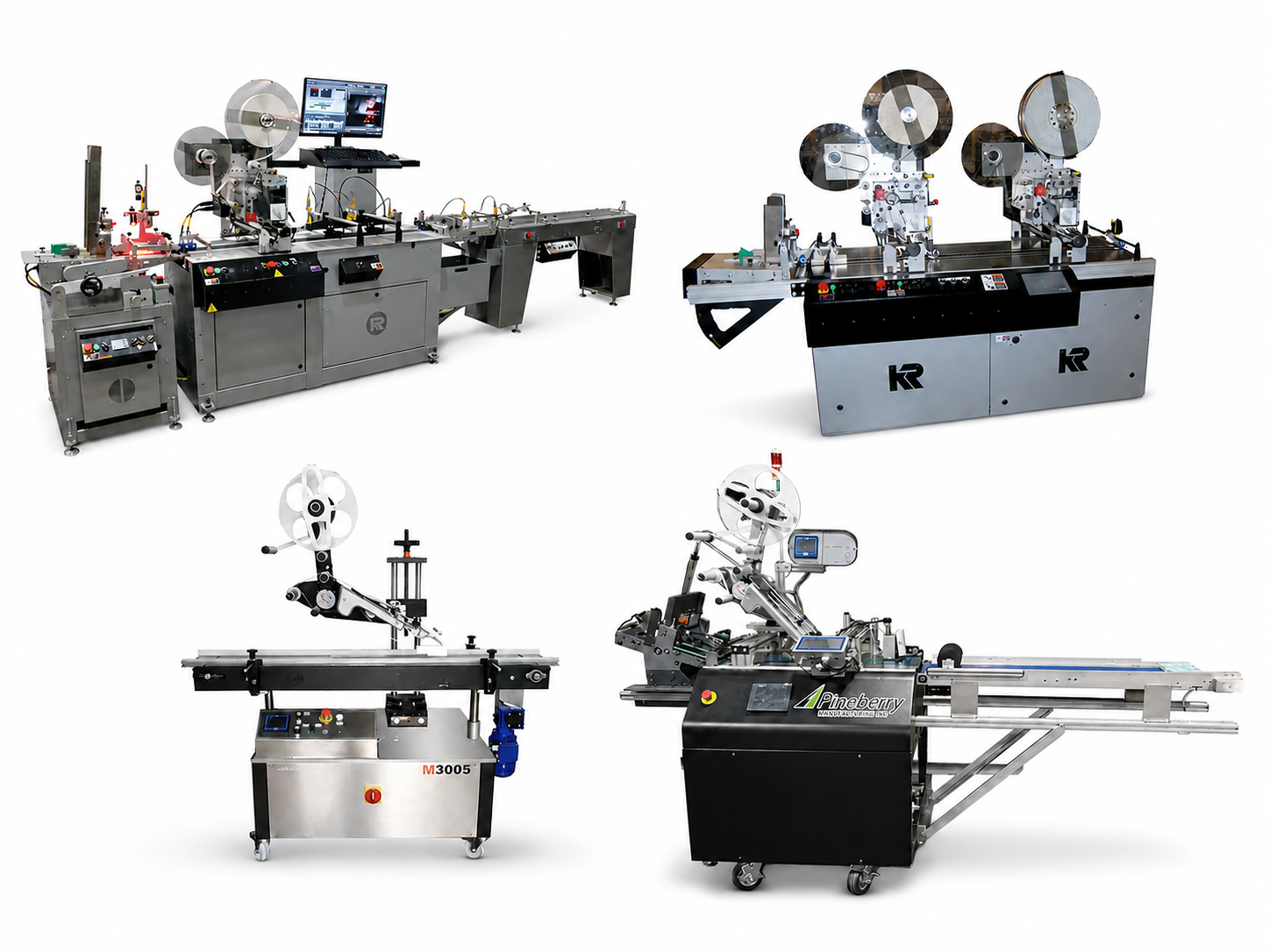
Kirk-Rudy and Pineberry labeling and print-and-apply equipment collage on a white background

What Is Labeling & Print-and-Apply Equipment?

Labeling equipment applies a pressure-sensitive label to a product, package, case, or pallet load during production. The label usually carries the identification, branding, regulatory content, or logistics information the item needs downstream.

Print-and-apply equipment adds a printing step so information that changes from item to item is produced at the moment of application. That removes preprinted label inventory, but it also makes the system dependent on accurate production data.

Because application accuracy depends on how the item is held and moved, labeling systems are selected around the product, the label, the application method, the transport, and the verification the operation requires rather than around a single rated speed.
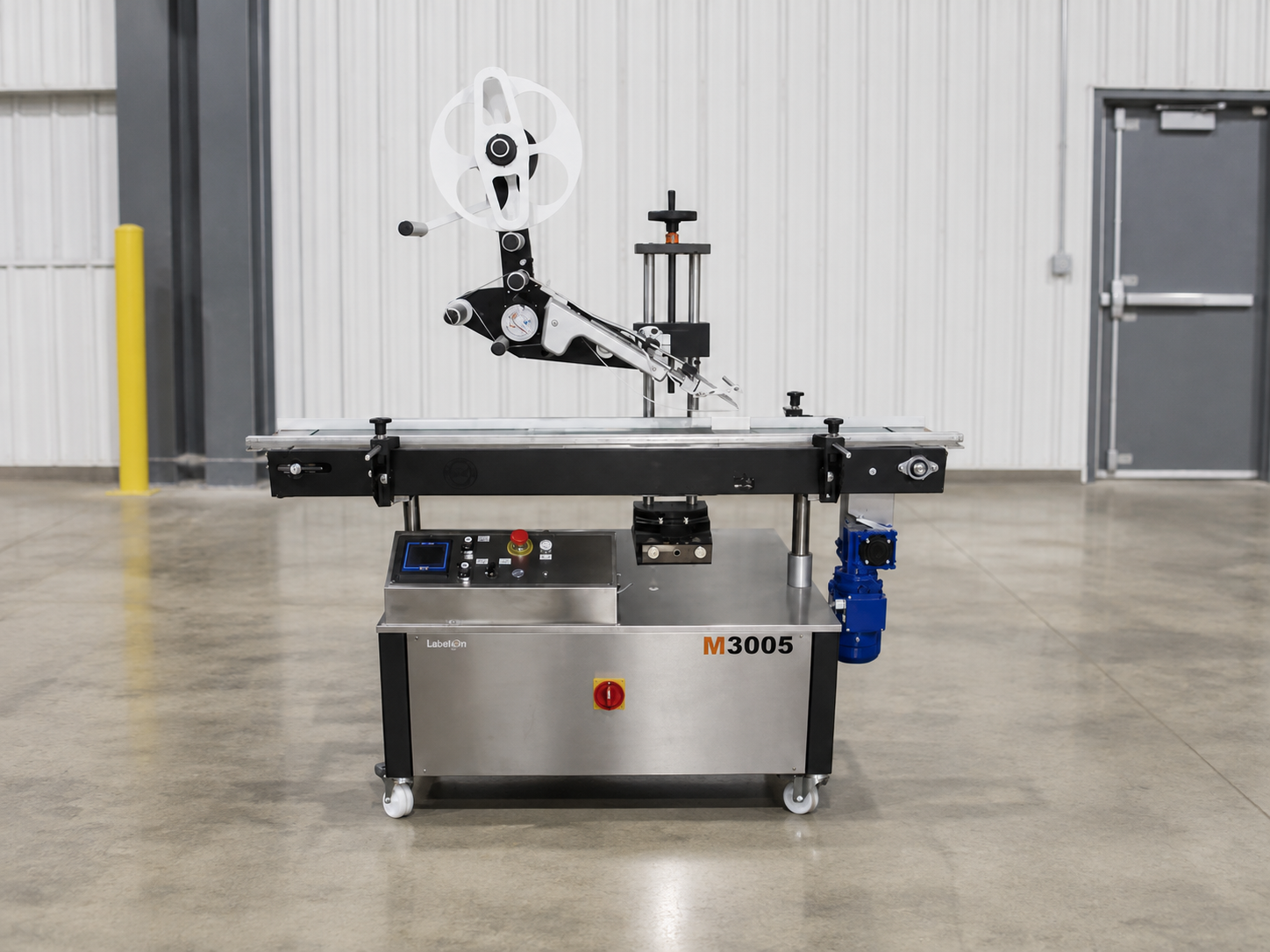
Explore Labeling & Print-and-Apply Equipment Types

Each pathway groups equipment by what receives the label and how the label is applied.

What Determines the Right Labeling System?

Four areas usually narrow the field faster than comparing published application rates.

Product, Package, or Load

Identify what receives the label, including dimensions, shape, surface, weight, and how much variation exists between products and orders.

Label Size, Construction, and Placement

Confirm the label dimensions and material, how many labels each item receives, and how tightly placement must be held on each panel.

Preprinted or Variable Data

Determine whether the same label repeats across a run or whether order, shipping, lot, or serialized content changes from item to item.

Speed, Handling, and Verification

Review throughput, product gap, how consistently items present themselves, and whether labels must be scanned or verified before the item continues.

ATP uses this information to help identify whether the application calls for a container labeler, a modular label head, a print-and-apply station, an end-of-line system, or an RFID encoding workflow.

Discuss Your Labeling Application

Labeling Equipment Manufacturers

Explore approved manufacturers supporting container, flat-product, print-and-apply, end-of-line, and RFID labeling applications.

  • Kirk-Rudy logo
    Kirk-Rudy
  • Pineberry Packaging Systems logo
    Pineberry Packaging Systems

Related Solution

Labeling & Print-and-Apply Solutions

Explore how products, labels, application methods, variable data, line speed, inspection, and downstream processes determine the appropriate labeling approach.

Need Help Beyond Equipment Selection?

Coding & Marking Equipment

Explore direct printing onto products and packaging when a label is not required or not practical.

Explore Coding & Marking Equipment

Integrated Systems

Connect applicators, print engines, feeders, conveyors, scanners, cameras, and production data into one coordinated workflow.

Explore Integrated Systems

Service & Support

Find installation, training, preventive maintenance, troubleshooting, and repair support for eligible labeling equipment.

Explore Service & Support

Labeling Equipment FAQs

What is labeling and print-and-apply equipment?

Labeling equipment dispenses and applies pressure-sensitive labels to products, containers, flat items, cases, and pallet loads. Print-and-apply equipment adds a printing step so variable content such as order data, dates, and barcodes is created at the moment the label is applied.

What is the difference between a labeler and a print-and-apply system?

A labeler applies a preprinted label, which suits fixed content and consistent artwork. A print-and-apply system prints changing information onto a blank label and applies it in the same cycle, which suits order, shipping, lot, and serialized data.

Can labeling equipment be added to an existing production line?

In many cases it can. The evaluation covers available mounting space, how the product is transported and presented, line speed and product gap, the trigger signal, label size and placement, and whether downstream verification is required.

What information does ATP need to recommend a labeling system?

Helpful details include the product or package dimensions and surface, the label size and construction, the required placement, production speed, whether the data is preprinted or variable, existing equipment, verification requirements, and photographs, video, or samples.

Find the Right Labeling System

Tell ATP Equipment Solutions what needs to be labeled, the label it must carry, how fast the line runs, and how the label is verified downstream.