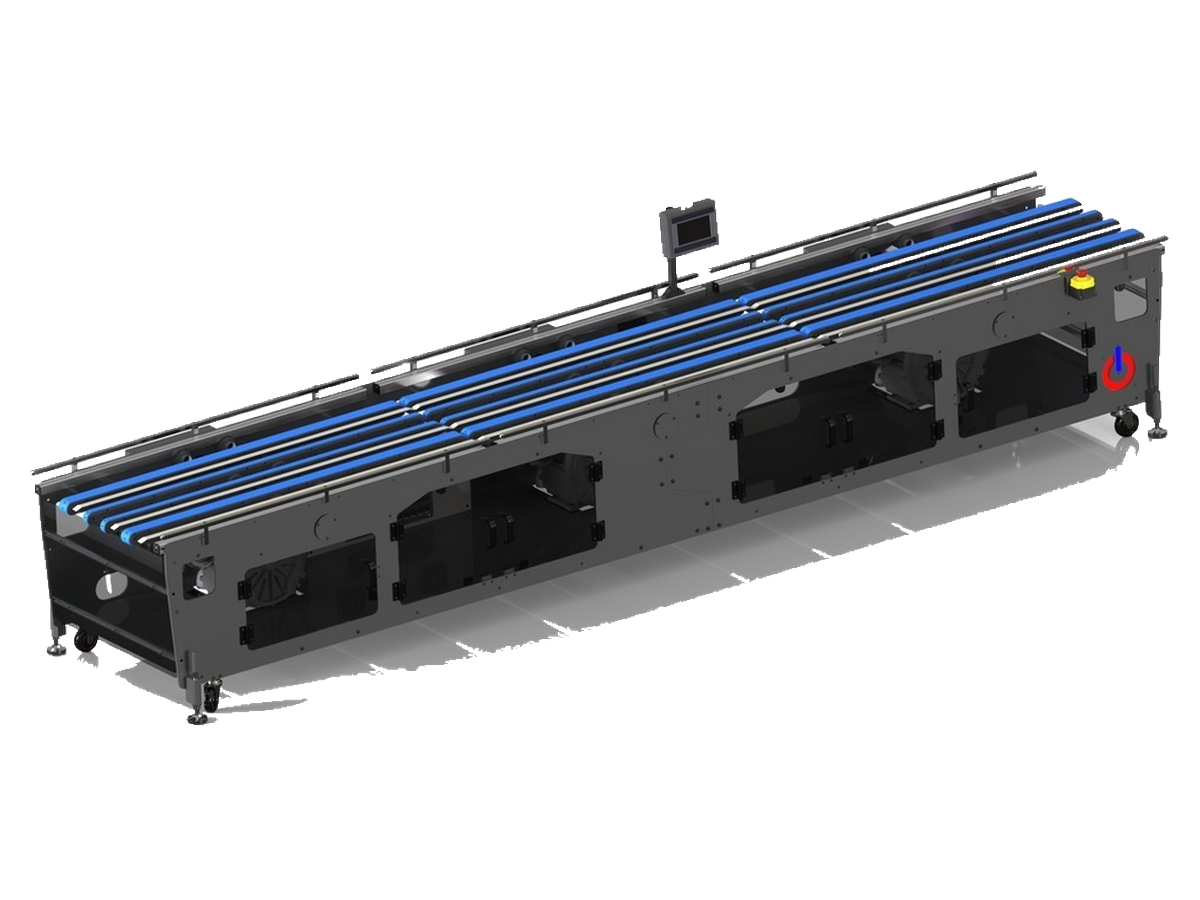
Product Conveyors & Accumulation
Belt, vacuum, roller, and modular conveyors that transport, buffer, and pace products and cases between production stages.
- Vacuum and belt transports
- Accumulation and buffering
- Adjustable-speed production conveyors
Equipment Category
Conveyors and handling systems for moving, accumulating, turning, registering, collating, inspecting, routing, and documenting products, cases, and pallet loads.
Equipment is selected around product characteristics, throughput, orientation and registration requirements, inspection needs, floor space, and the machines before and after each handling step.
Explore Material Handling & End-of-Line Automation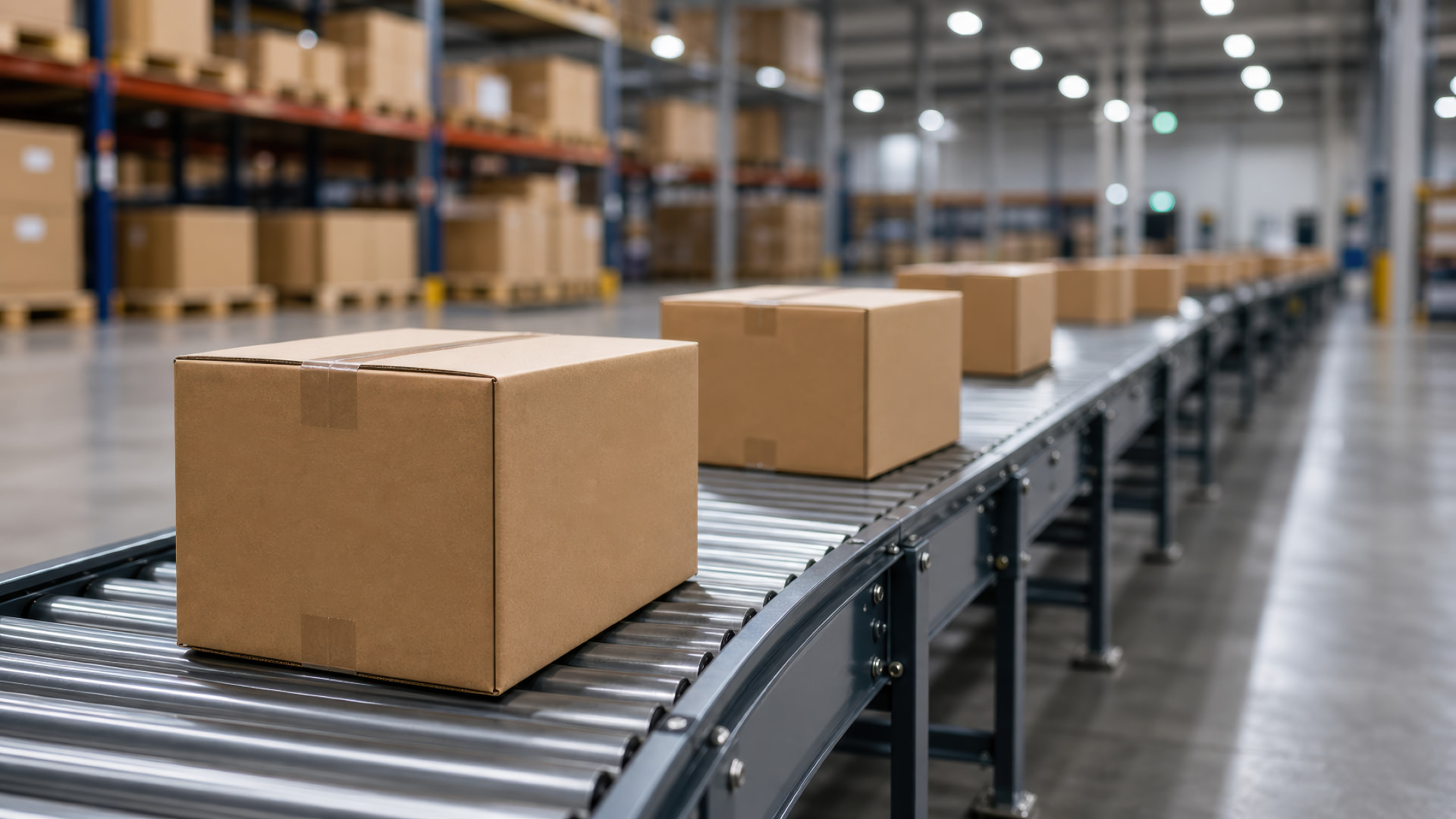
Material handling equipment moves and controls product between production steps. A system may transport an item on a belt or vacuum conveyor, accumulate work in front of a machine, turn or square the product for a position-sensitive process, verify weight or a barcode, divert a failed item, or convey a completed pallet toward shipping.
The correct configuration depends on the product, required throughput, orientation and registration needs, inspection and data requirements, floor space, and the equipment positioned before and after the handling step.
Move products, cases, and printed materials between production stages and buffer them so equipment is not starved or blocked.
Change orientation, square the product against a reference edge, and divert or route items to the correct destination.
Denest, pick, place, group, count, and stack products so completed output is organized for the next process.
Confirm weight, barcode readability, printed patterns, and product identity, then signal a divert when a condition fails.
Move loaded and empty pallets between production, wrapping, staging, and shipping using pallet conveying and handling equipment.
Each pathway groups equipment by the handling task it performs.
Belt, vacuum, roller, and modular conveyors that transport, buffer, and pace products and cases between production stages.
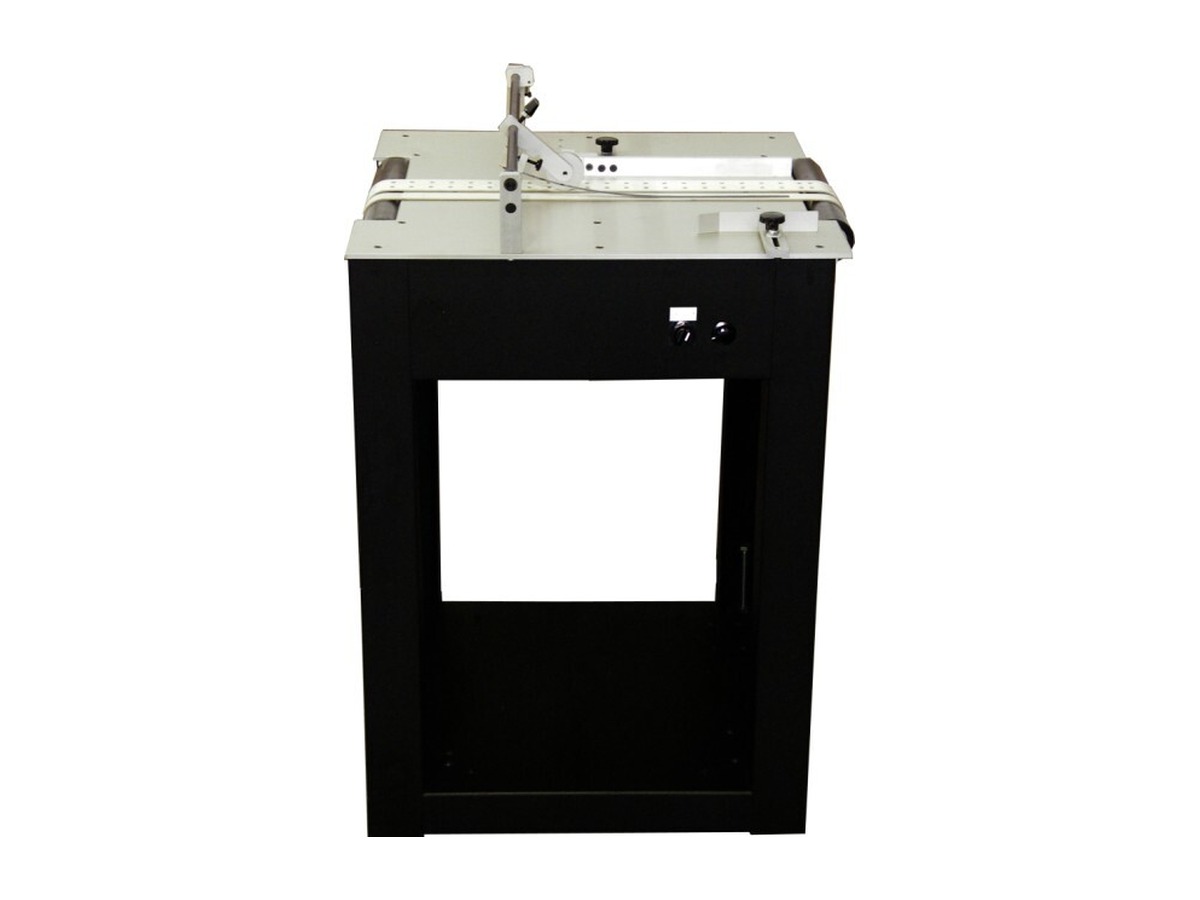
Bump turns, turnovers, aligners, registration conveyors, diverts, and routing modules that change orientation or destination.
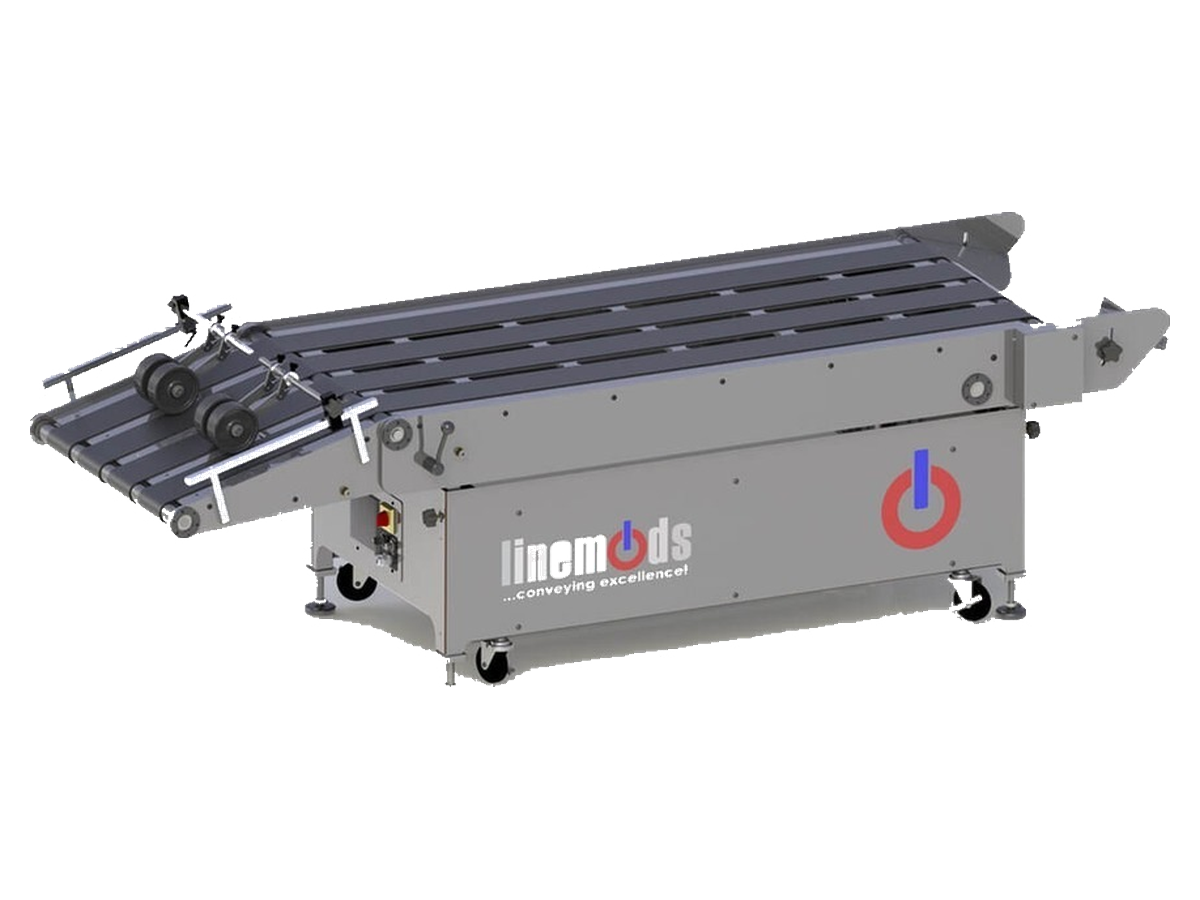
Denesting, pick-and-place, collation, counting, batching, and stacking equipment for repeatable production handling.
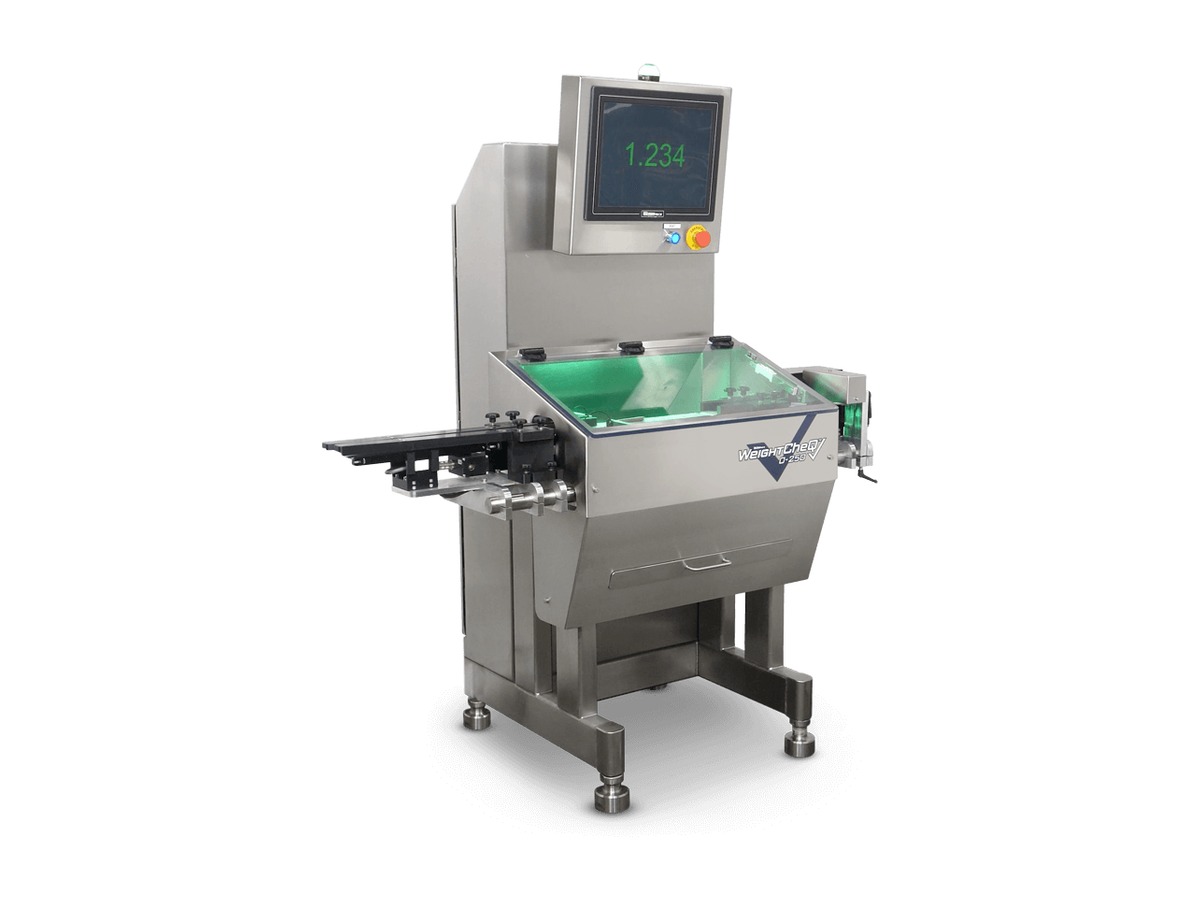
Checkweighing, barcode reading, pattern verification, and camera systems that confirm the product before it continues.
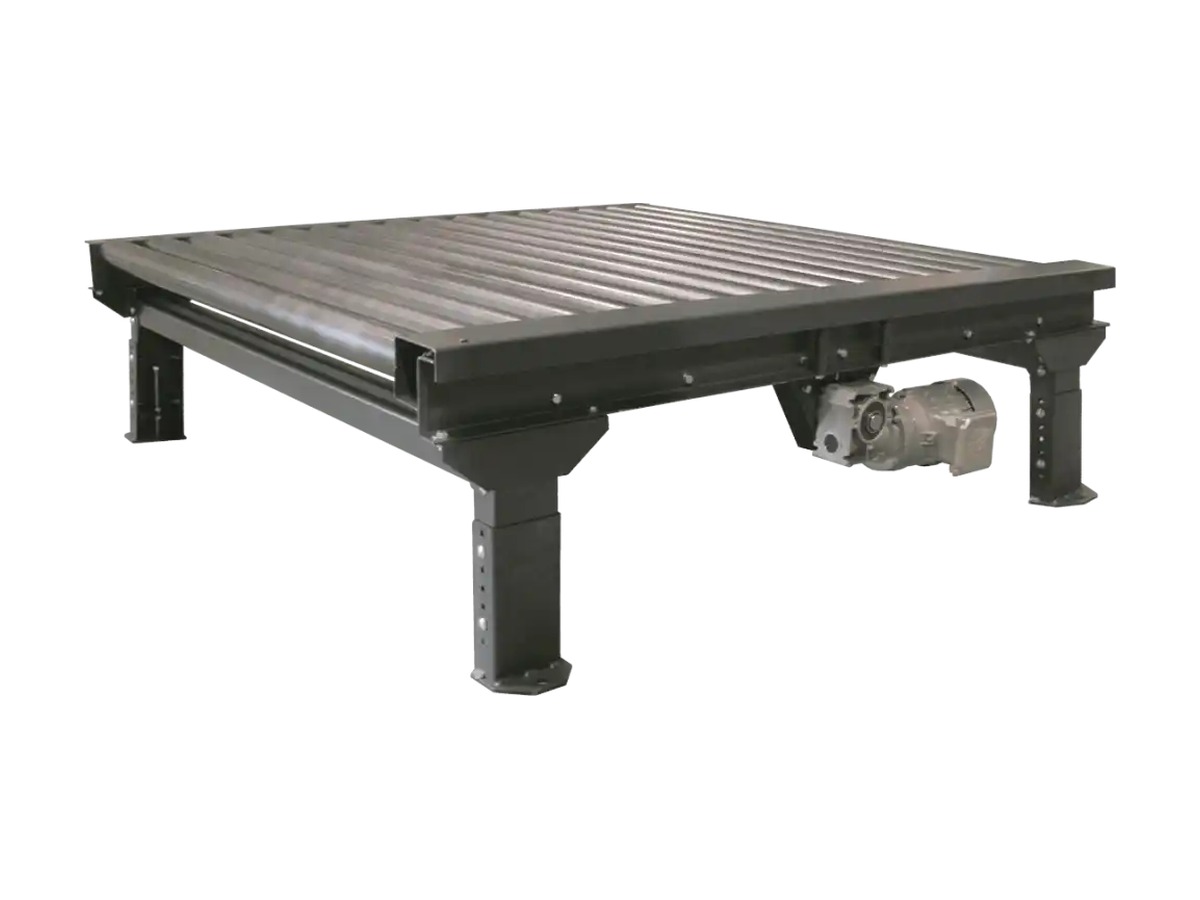
Pallet conveyors, transfers, lift conveyors, dispensers, stackers, and inverters for moving loads through the end of the line.
Featured Solution
PalletVision adds pallet images, dimensions, wrap-condition visibility, Load Health Score feedback, and time-stamped records at the wrap point without replacing existing equipment.
A selection of the manufacturers and technology providers supporting ATP material handling applications. Additional manufacturers appear on the equipment-type pages.


Document the dimensions, weight, material, surface, and stability of everything the system must move.
Review required line speed, products per hour, and the gap available between items for each process.
Determine where product must turn, flip, square against an edge, divert, or change destination.
Define what must be verified, what records are required, and where a failed product should go.
Review floor space, aisle access, elevation changes, utilities, existing line controls, and safety requirements.
ATP provides selected conveyors, accumulation systems, transfers, turns, registration conveyors, diverts, denesting and collation equipment, stackers, inspection and verification systems, and pallet handling equipment. Available equipment depends on the application and current manufacturer portfolio.
In many facilities conveyors and handling modules can be added around existing equipment. Product handling, line speed, footprint, elevation, controls, and safety must be reviewed for the specific line.
Accumulation buffers products between processes so a brief stop or speed difference at one machine does not starve or block another. It is often used ahead of printing, labeling, inspection, or packaging equipment.
In many configurations a checkweigher, barcode reader, or camera can signal a divert module. Product spacing, line speed, control integration, and where rejected product goes must be reviewed.
Helpful information includes product dimensions and weight, required throughput, orientation and registration needs, inspection requirements, available floor space, existing equipment and controls, and photographs, video, or a layout drawing.
Tell ATP Equipment Solutions how product moves today, where it stops, where it must be turned or verified, and where the flow needs to end.