Packaging Automation
Integrate product coding with forming, filling, packing, sealing, wrapping, and other packaging processes.
Explore Packaging AutomationCoding & Marking
Apply clear, consistent, variable information directly to products, packaging, and cases with industrial coding and marking solutions selected around the substrate, code content, production speed, operating environment, and verification requirements.
ATP Equipment Solutions helps manufacturers and packaging operations evaluate product coding, case coding, inkjet printing, thermal transfer, laser marking, and portable marking technologies around the actual production application.
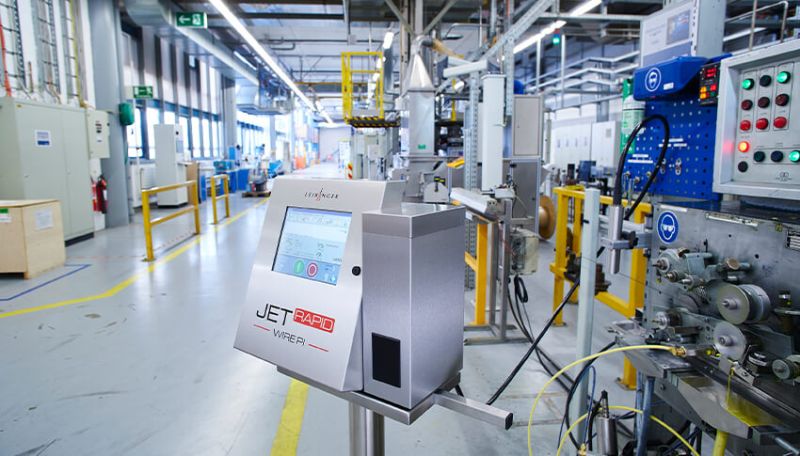
Coding and marking solutions create human-readable and machine-readable information directly on products, components, primary packaging, or secondary packaging. Depending on the application, that information may include production dates, expiration dates, lot numbers, batch codes, serial numbers, product identifiers, barcodes, 2D codes, text, or simple graphics.
The appropriate coding system depends on what must be printed, where the code must be placed, the material being marked, line speed, product movement, required contrast, durability, operating environment, data source, and level of inspection or verification.
A successful coding application involves more than placing a printer beside a conveyor. Product movement, code data, print position, substrate compatibility, inspection, and downstream handling must work together.
Determine the required content, format, dimensions, location, readability, permanence, and frequency of data changes.
Position the product or package consistently and use the appropriate sensor, trigger, encoder, or line signal to initiate printing.
Apply the code using inkjet, thermal transfer, laser, or another technology selected for the substrate and production process.
When required, use supported inspection or verification technology to confirm code presence, placement, readability, or data accuracy.
Move the coded product into the next packaging, inspection, case-handling, or palletizing process, and record production data when the integrated system supports it.
Not every application requires every stage. The correct configuration depends on the product, code requirements, production line, and level of automation.
Coding applications vary widely. Products may move at different speeds, present curved or irregular surfaces, require changing data, or operate in environments that affect ink, printheads, materials, and code quality.
Update dates, lot numbers, batch codes, serial numbers, product identifiers, or barcodes as production runs change.
Evaluate technology and consumables around porous, nonporous, curved, flexible, coated, textured, or irregular materials.
Match the printing technology, code size, print distance, product movement, and data requirements to the operating speed of the complete line.
Use appropriate product handling, sensors, mounting, and line controls to help position the code consistently on the intended print area.
Apply human-readable and machine-readable information that helps distinguish products, production runs, cases, and other units throughout the operation.
Coordinate the printer with packaging equipment, conveyors, product detection, inspection, rejection, and production data sources when the application requires a connected system.
Industrial coding and marking systems can support different stages of production. The appropriate technology depends on the material, code content, finished package, production speed, environment, and required permanence.
Product coding systems can apply dates, lot numbers, batch information, serial numbers, barcodes, and other variable information directly to products or primary packaging. Applications may include bottles, cans, jars, tubes, containers, cartons, closures, components, and other supported formats.
Date coding machines, lot code printers, and batch coding machines are evaluated together with the product identification requirements for primary packaging, since product marking systems must match the surface as well as the code.
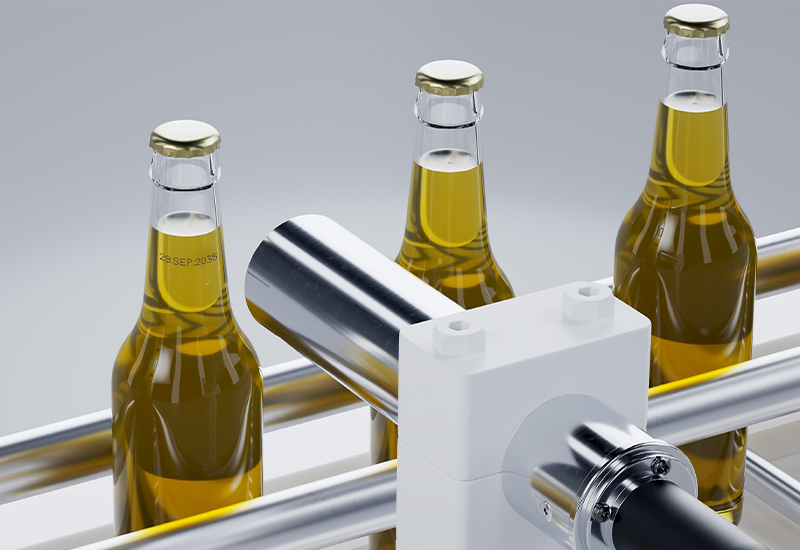
Thermal transfer overprinting and other compatible technologies can print changing information onto flexible packaging films and web materials. Applications may include bags, pouches, wrappers, labels, or packaging material before it is formed, filled, or sealed.
TTO printers are commonly evaluated for flexible packaging coding where date and lot coding, barcodes, and other variable data on packaging must remain legible on film.
Technology selection depends on the film, coating, ribbon, print area, web motion, packaging equipment, and operating environment.
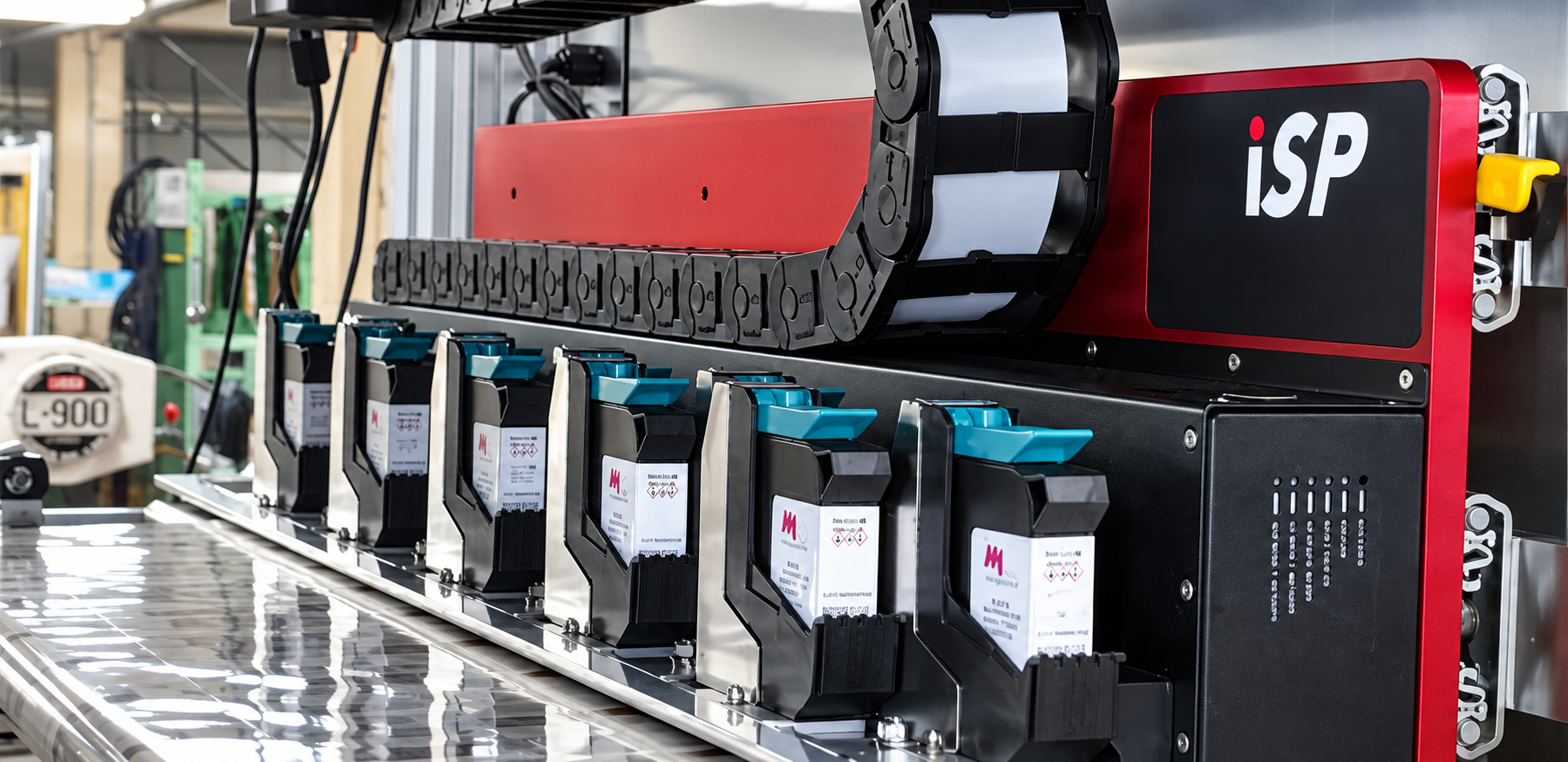
Case coding systems apply larger text, barcodes, product information, lot numbers, or graphics directly to cartons, trays, corrugated cases, and other secondary packaging. Depending on the application, direct case coding may provide an alternative to preprinted case variations or applied labels.
Carton coding systems for corrugated case printing may use large-character inkjet printers, high-resolution case coding, or drop-on-demand inkjet configurations depending on the required image and case presentation.
Case coding is often coordinated with conveyors, case handling, inspection, sortation, and downstream pallet operations.
Explore Material Handling & End-of-Line Automation Solutions
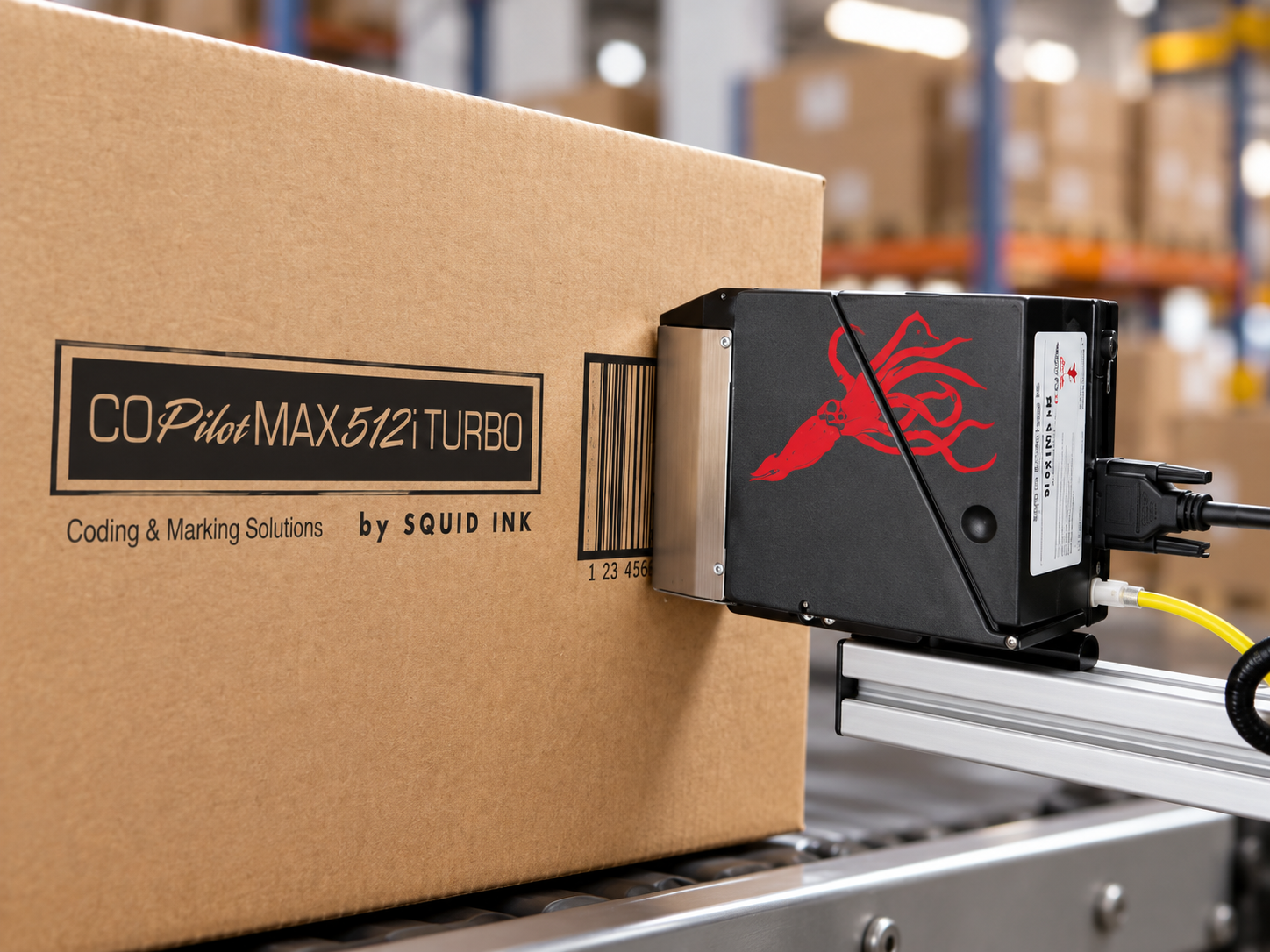
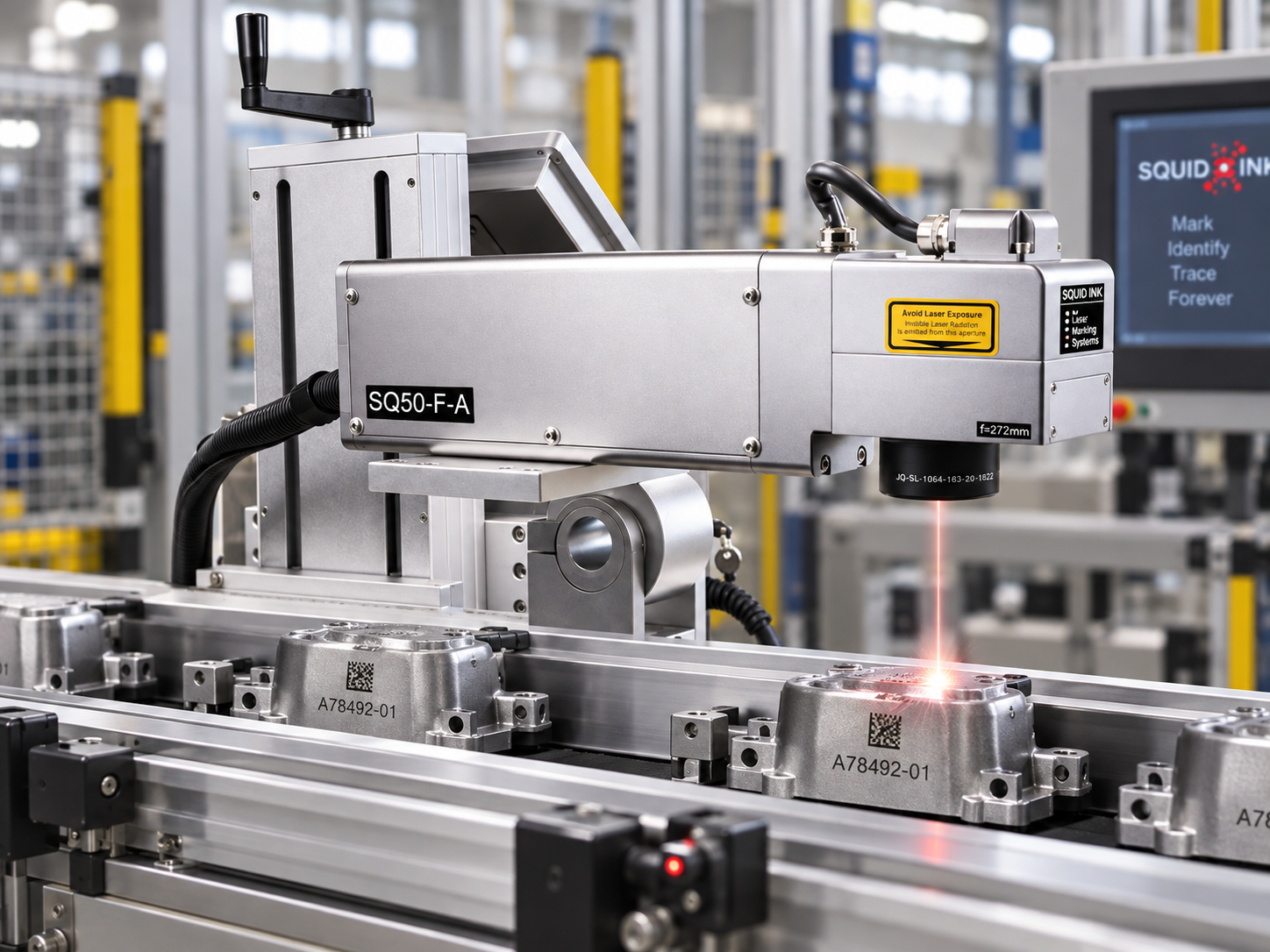
Laser marking creates a code by interacting with the material or its surface rather than applying ink or ribbon. Depending on the selected laser and substrate, it may be used for permanent text, serial numbers, barcodes, 2D codes, logos, or product identification.
Industrial laser marking systems are commonly reviewed for laser coding, serial number marking, 2D code marking, and other permanent product marking applications.
Material compatibility, code contrast, laser type, production speed, enclosure, extraction, and safety requirements must be evaluated before recommending a system.
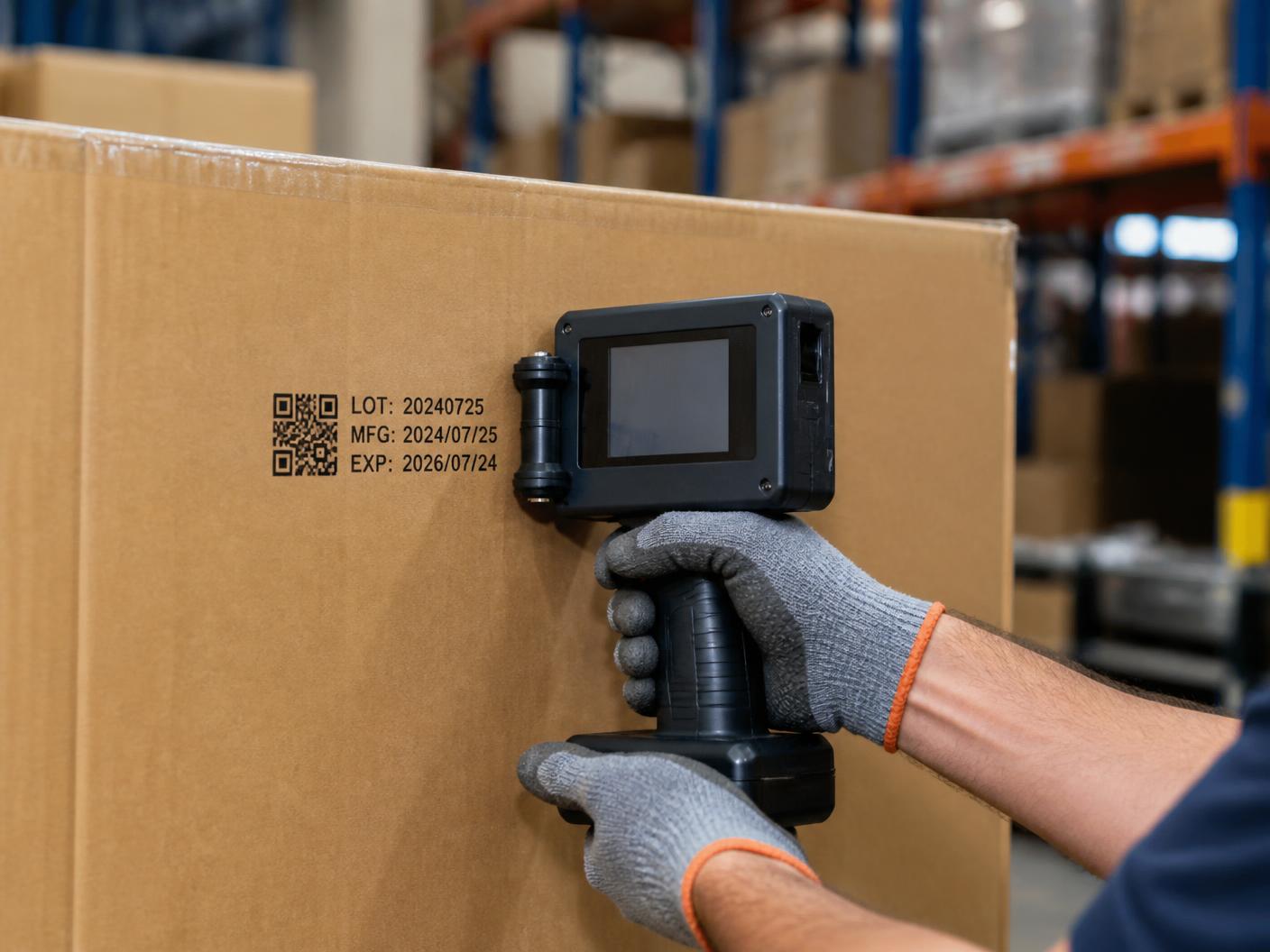
Portable or handheld marking systems may support operations where products are too large, production is intermittent, volumes are lower, or the coding station is not part of a fully automated conveyor line.
Handheld inkjet printers and other portable industrial printing equipment are often considered for low-volume product coding and manual case coding stations.
Portable equipment still needs to be evaluated around substrate compatibility, code quality, operator consistency, environment, and required production data.
No single coding technology is appropriate for every product or production line. Each method has different requirements related to materials, code size, print quality, permanence, speed, consumables, maintenance, and integration.
CIJ
TIJ
TTO
Drop-on-demand, high-resolution inkjet, or compatible thermal inkjet configurations
These are general technology characteristics. Actual capabilities depend on the selected manufacturer, model, ink, ribbon, laser configuration, substrate, installation, and production environment.
Equipment selection begins with the required code and the surface receiving it. Both must be evaluated together before choosing a coding technology.
Available code formats depend on the selected printer, software, print resolution, code dimensions, substrate, line speed, and verification requirements.
Material compatibility is never universal. Sample testing may be needed to confirm adhesion, contrast, drying, permanence, and readability.
Direct coding and applied labeling can both place variable information onto products and packaging, but they use different methods. The appropriate approach depends on the surface, code size, required graphics, permanence, data content, production speed, application environment, and existing equipment.
The code is printed or marked directly onto the product, package, carton, or case using inkjet, thermal transfer overprinting, laser, or another compatible technology.
Potential considerations
Variable information is printed onto separate label material, which is then applied to the product, package, case, or pallet.
Potential considerations
Neither method is universally better. Some operations use direct coding at one stage and applied labels at another. ATP can help evaluate the approach based on the complete production workflow.
Explore Labeling & Print-and-Apply SolutionsCoding and marking solutions are built from equipment selected around the code, substrate, production speed, environment, data requirements, and level of automation. Browse the related equipment category to explore available technologies.
Browse All Coding & Marking EquipmentThe right industrial coding system is determined by the complete application, not simply by advertised print speed or resolution. The product, code, substrate, line movement, environment, data source, inspection requirements, and surrounding equipment must be evaluated together.
Define the text, date format, lot information, barcode, 2D code, serial number, graphics, number of lines, and maximum code dimensions.
Identify the material, coating, surface texture, color, shape, temperature, porosity, and any other characteristics that may affect print adhesion, contrast, or mark quality.
Document line speed, products per minute, spacing between products, stopping or continuous motion, and the time available to print each code.
Confirm the available print area, product orientation, curvature, surface consistency, printhead distance, and whether the product can be presented reliably.
Determine how visible the code must be and whether it must resist handling, abrasion, moisture, temperature changes, chemicals, light, or other environmental factors. Testing is used to confirm expected performance.
Evaluate temperature, humidity, dust, moisture, washdown requirements, vibration, ventilation, and other conditions surrounding the coding station.
Identify whether code information will be entered by an operator or received from a controller, database, barcode scanner, PLC, MES, ERP, or another production-data source when supported. Compatibility is confirmed through technical validation.
Determine whether the operation needs code-presence detection, barcode grading, character inspection, data matching, product rejection, or production records.
Consider inks, solvents, cartridges, ribbons, filters, cleaning requirements, planned maintenance, operator responsibilities, and service accessibility.
Review equipment mounting, guarding, electrical requirements, ventilation, laser enclosure, fume extraction, operator access, line controls, and available floor space.
Consider whether code formats, 2D barcode use, product variations, data sources, production volumes, or inspection requirements may change over time.
When necessary, test representative products, materials, inks, ribbons, or laser settings before finalizing the equipment recommendation.
Industrial coding and marking systems support a wide range of manufacturing and packaging environments. The appropriate technology varies by product, material, code requirement, production speed, and operating conditions.
Apply dates, lot numbers, batch information, product identifiers, and machine-readable codes to bottles, cans, cartons, flexible packaging, containers, and secondary cases. Ink selection and application suitability are confirmed for each product.
Support product identification, lot and batch coding, expiration information, serialization, and machine-readable code applications where the selected equipment and validated production process are appropriate.
Code cosmetics, personal care products, household goods, containers, cartons, tubes, cases, and other consumer-product formats.
Mark components, parts, cables, extrusions, containers, assemblies, and other manufactured products with identification, date, lot, serial, or production information.
Apply product information, lot codes, dimensions, identifiers, and other variable data to cases, bags, boards, components, or construction-related materials where compatible equipment is available.
Print product information, barcodes, handling data, lot numbers, and case identifiers directly onto cartons and corrugated shipping cases.
Explore Material Handling & End-of-Line Automation SolutionsIntegrate product coding with forming, filling, packing, sealing, wrapping, and other packaging processes.
Explore Packaging AutomationExplore systems that print and apply separate labels to products, packages, cases, and pallets.
Explore Labeling & Print-and-ApplyConnect printers, product handling, sensors, data sources, cameras, rejection devices, conveyors, and production controls into a coordinated system.
Explore Integrated SystemsFind technical support, preventive maintenance, repairs, consumables, upgrades, and help improving the performance of existing coding equipment.
Explore Service & SupportIndustrial coding and marking systems apply changing information directly to products, components, packaging, cartons, or cases. Depending on the application, they may print dates, lot numbers, batch codes, serial numbers, barcodes, 2D codes, product identifiers, text, or simple graphics.
The terms are often used together and may overlap. Coding generally refers to applying variable production information such as dates, lot numbers, or barcodes, while marking can also include broader identification or permanent technologies such as laser marking.
Continuous inkjet uses a continuous ink circulation system and is commonly evaluated for non-contact small-character coding on moving products, including curved or irregular surfaces. Thermal inkjet uses replaceable cartridges and is often selected for higher-resolution text and machine-readable codes where print distance, product presentation, and substrate compatibility can be controlled.
Thermal transfer overprinting is commonly used to print variable information on flexible packaging films and web materials. The system uses a heated printhead and ribbon, and may operate with intermittent or continuous packaging motion depending on the equipment.
Laser marking may be appropriate when the application requires a permanent or durable mark and the material can produce sufficient contrast. Material testing, code requirements, production speed, laser configuration, enclosure, extraction, and safety must all be evaluated.
Many industrial coding technologies can produce 2D codes when the selected printer, resolution, substrate, code dimensions, line speed, and data system support the application. Print quality and verification requirements should be evaluated before selecting the equipment.
In many applications, coding equipment can be added to an existing packaging machine, conveyor, product-handling system, or production line. Compatibility depends on available space, product movement, line controls, code location, speed, sensors, guarding, utilities, and downstream equipment.
Depending on the technology and consumables, systems may support plastics, glass, metal, paperboard, corrugated cases, flexible films, coated materials, and other substrates. Representative samples may need to be tested to confirm adhesion, contrast, drying, durability, and machine readability.
Supported systems may use sensors, cameras, barcode readers, or vision software to confirm code presence, placement, readability, or data accuracy. The appropriate inspection method depends on the code type, line speed, product presentation, verification standard, and required response to a failed code.
Direct case coding prints information onto the carton or corrugated surface. Print-and-apply systems print the information onto a label and then apply that label to the case. The correct method depends on the required image, code size, substrate, contrast, label requirements, line speed, and production workflow.
Some coding systems can receive job information from controllers, scanners, databases, PLCs, MES platforms, ERP systems, or other production-data sources. Compatibility must be confirmed for the selected printer, software, communication protocol, and customer system.
Helpful information includes the required code, product samples, substrate, print area, line speed, product spacing, environment, code-change frequency, data source, inspection requirements, current equipment, available space, and photographs or video of the production line.
Tell ATP Equipment Solutions what you need to print, what material must be marked, how the product moves, how often the data changes, and where the coded product goes next. Our team can help identify the coding and marking approach that fits the application.