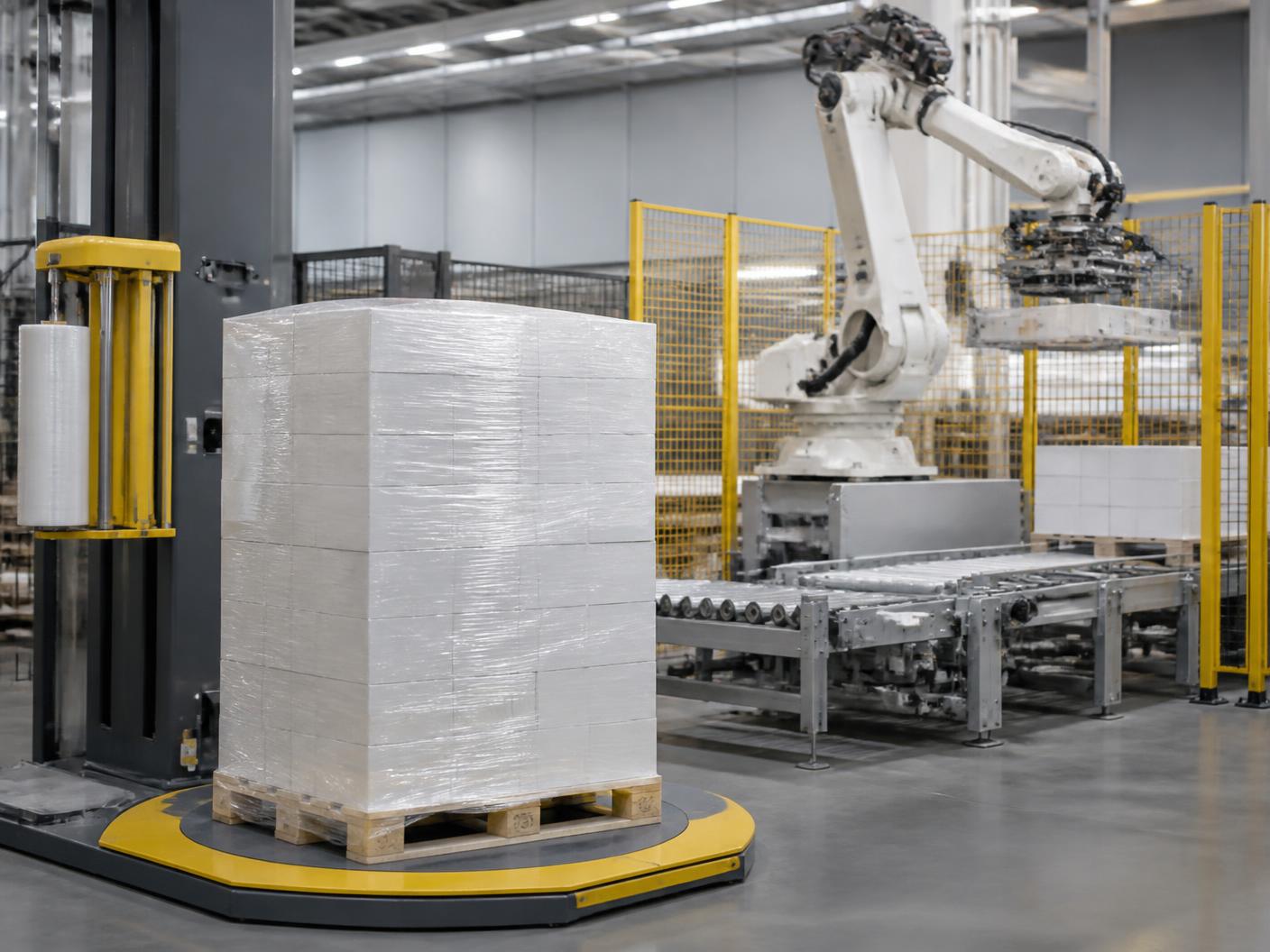
Automate repetitive packaging steps and create a more consistent path from product preparation through the finished load with packaging automation solutions matched to your product, package, production volume, available space, and workflow.
ATP Equipment Solutions helps businesses evaluate standalone machines and coordinated packaging processes for bagging, forming, filling, packing, protecting, sealing, strapping, wrapping, and palletizing.
Packaging automation uses machinery and controls to perform one or more steps involved in preparing a product for storage, distribution, or shipment. A solution may address a single bottleneck, such as bagging, case sealing, or stretch wrapping, or coordinate several packaging stages as production volume and complexity increase.
The appropriate approach depends on the product, package format, production volume, required protection, job mix, staffing, available space, and equipment already in place.
Build the Packaging Process Around the Product
Packaging automation should begin with the product and finished package, not with a predetermined machine. ATP evaluates how the product enters the process, how it must be protected, and how the finished package moves to the next stage.
01
Form & Fill
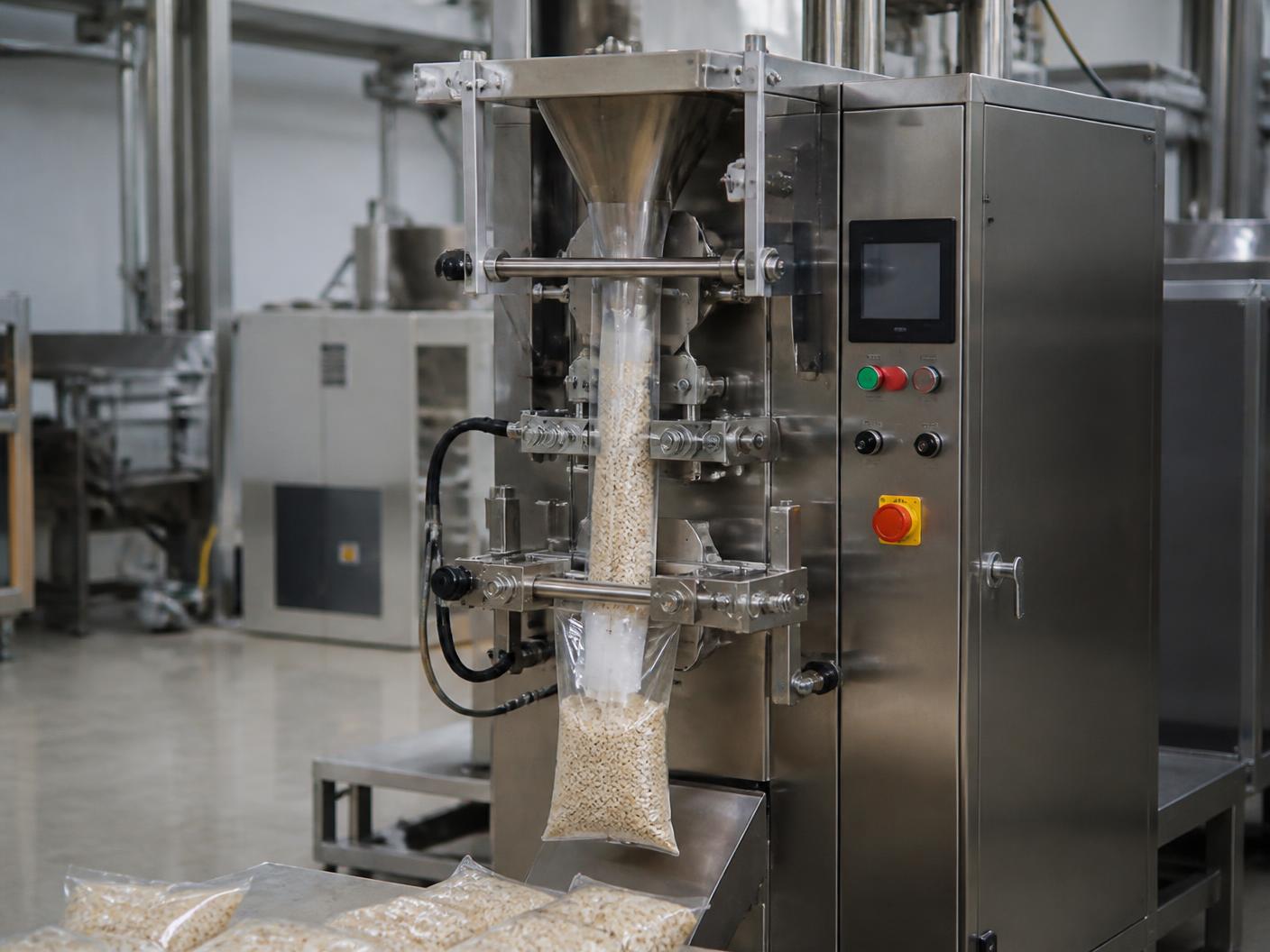
Create or prepare the package, then load the product using equipment such as automated baggers, form-fill-seal systems, case erectors, or right-sized box systems.
The correct approach depends on the product, packaging material, package size, filling method, and production requirements.
02
Pack & Protect
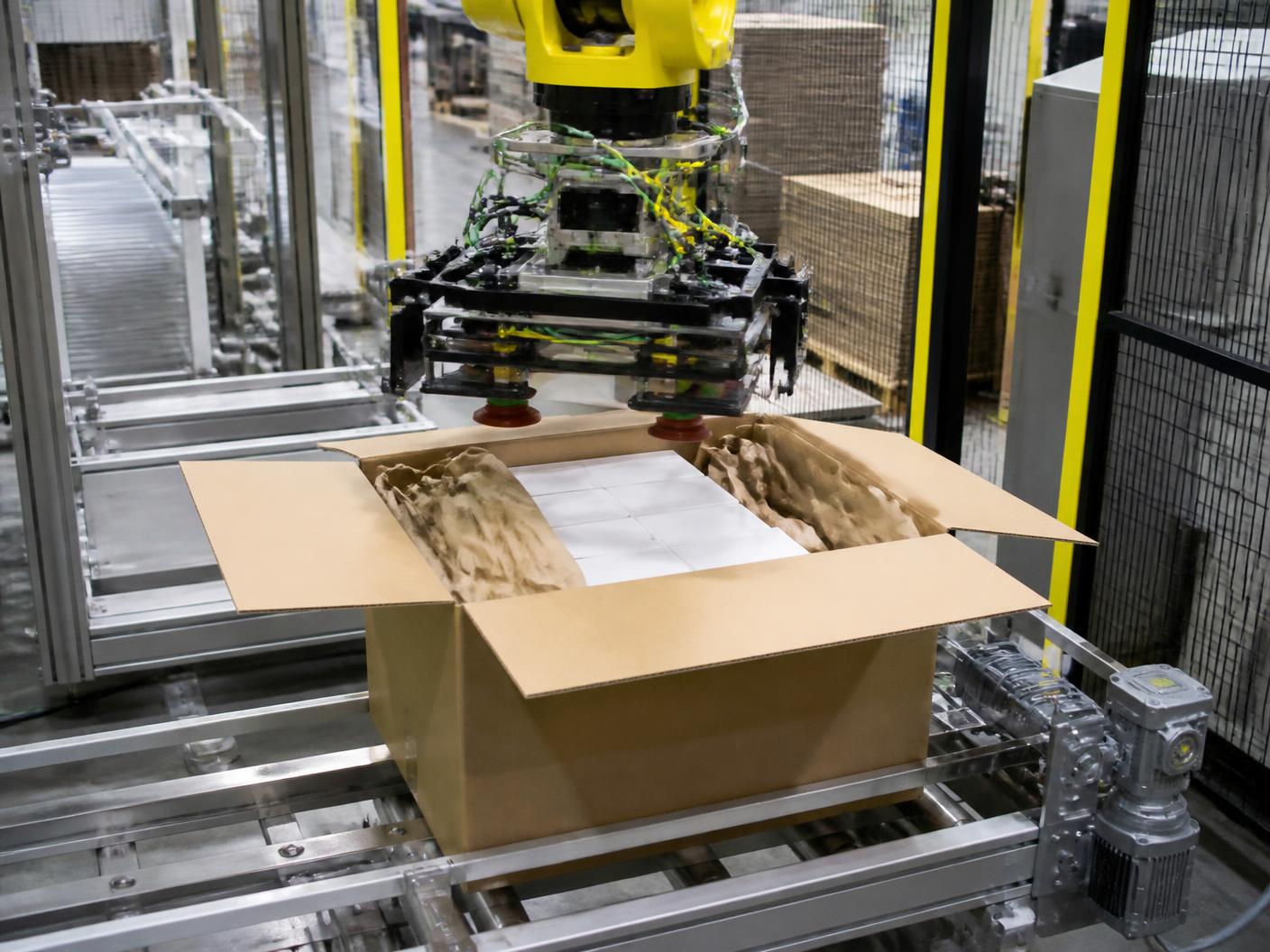
Place products into bags, cartons, trays, cases, shrink or skin packages, then add cushioning, void fill, or protective material when the application requires it.
Protection should be evaluated around product weight, fragility, movement, package dimensions, storage, and transportation.
03
Close & Secure
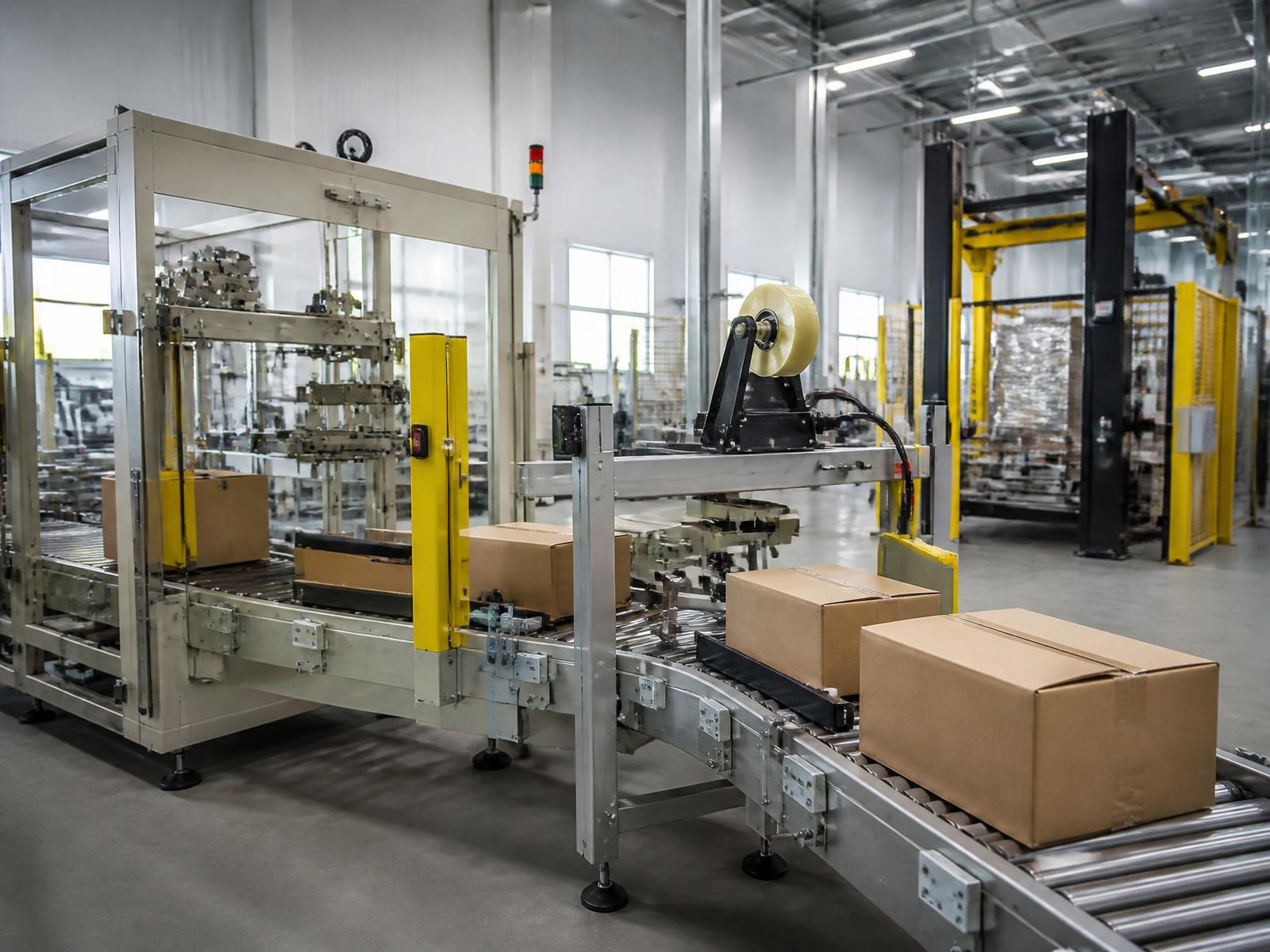
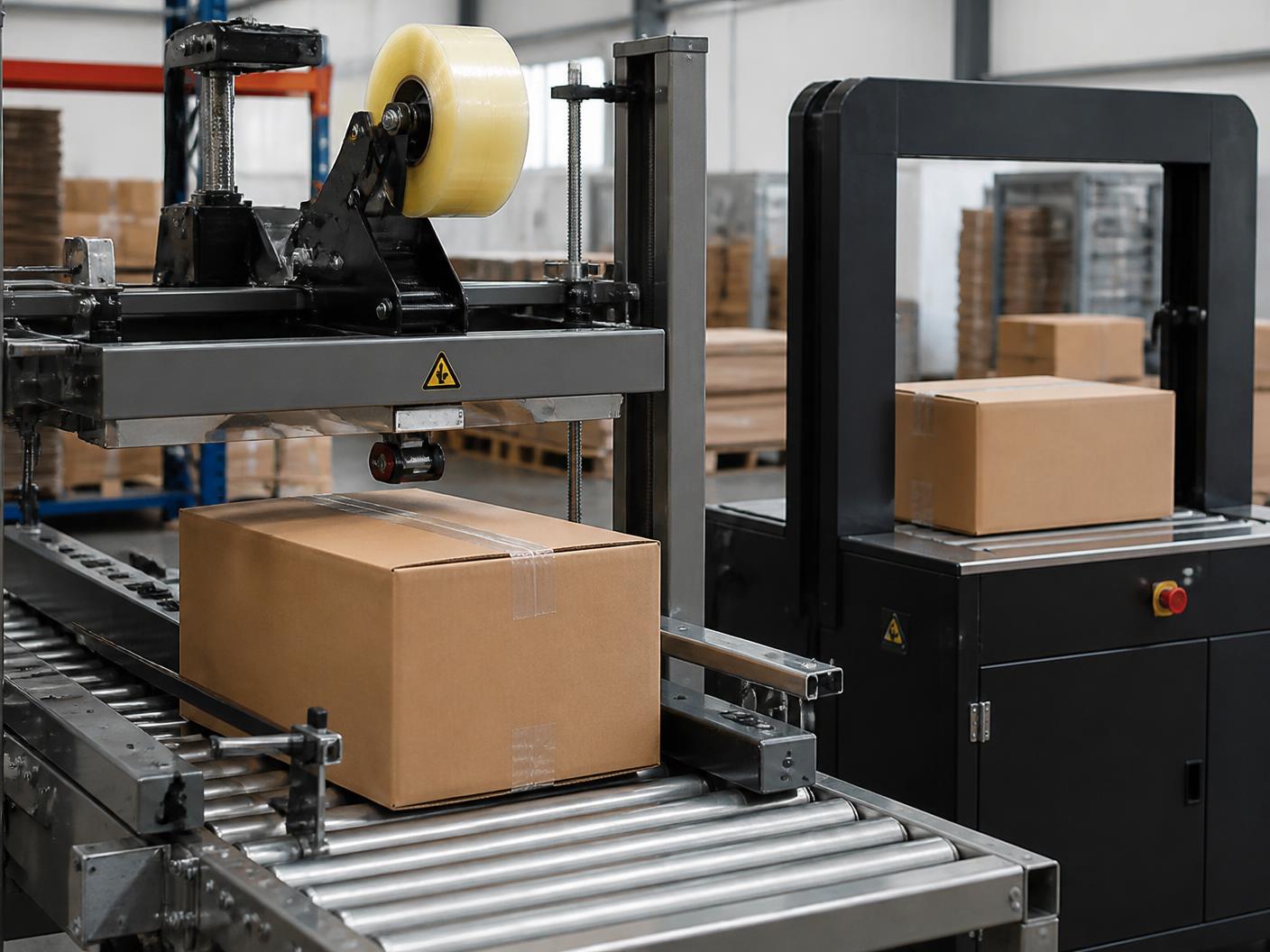
Seal cases using tape or another approved closure method, then strap products, cartons, bundles, or loads when additional containment is required.
Closure and securing equipment should be matched to the package, production speed, material, and handling environment.
04
Wrap & Palletize
Prepare completed packages for storage and shipment using palletizing and stretch wrapping equipment selected around the load pattern, stability requirements, throughput, and available space.
Palletizing capabilities are offered where they are supported by ATP's approved equipment portfolio.
What Determines the Right Level of Automation?
The best packaging system is not always the machine with the highest advertised speed or the greatest number of automated features. The right approach should fit the actual production environment.
01
Product and Package
Evaluate the product dimensions, weight, shape, fragility, orientation, packaging material, and finished package requirements.
02
Production Volume and Job Mix
Review average production, peak periods, number of package formats, changeover frequency, and expected growth.
03
Protection and Closure Requirements
Determine how the product must be contained, cushioned, sealed, strapped, wrapped, or stabilized for storage and transportation.
04
Existing Workflow and Available Space
Review current equipment, operator involvement, floor space, utilities, material staging, upstream processes, and what happens after packaging.
ATP uses this information to help determine whether the application calls for a semi-automatic station, an automatic machine, or a packaging process involving several coordinated stages.
Explore ATP's capabilities for connecting packaging equipment, conveyors, controls, coding, labeling, inspection, robotics, and other production technologies.
Packaging automation uses machinery and controls to perform repetitive packaging tasks such as bagging, forming, filling, packing, protecting, sealing, strapping, wrapping, or palletizing. A system may automate one production step or support several coordinated stages.
Can ATP automate only one part of an existing packaging process?
Yes. Many operations begin by addressing a specific bottleneck, such as case erecting, sealing, bagging, strapping, or stretch wrapping. ATP can evaluate how a standalone machine would fit with the equipment and workflow already in place.
What is the difference between semi-automatic and fully automatic packaging equipment?
Semi-automatic equipment normally requires an operator to load, position, or initiate part of the process. Fully automatic equipment detects and processes products with less direct operator involvement, but it also requires consistent product presentation and appropriate upstream and downstream controls.
What information does ATP need to recommend packaging equipment?
Helpful information includes product samples, package dimensions, packaging materials, production volume, required speed, current labor steps, protection requirements, available floor space, existing equipment, and photographs or video of the process.
Build the Right Packaging Process
Tell ATP Equipment Solutions what you are packaging, how it is packed today, where the process slows down, and what the finished package must accomplish.