Print & Mail Equipment

Feeders & Folders

Separate, feed, register, and fold sheets, envelopes, cards, booklets, bags, cartons, and other flat products with equipment selected around the material, production speed, load capacity, and downstream workflow.

ATP Equipment Solutions offers friction feeders, autoload feeders, pile and continuous feeders, specialty feeding systems, and paper folding equipment for standalone or connected production applications.

Explore Addressing & Mail Production Solutions

Friction & Autoload Feeders

Friction and autoload feeders separate flat or semi-flat products and introduce them into printing, mailing, labeling, packaging, finishing, or material-handling processes.

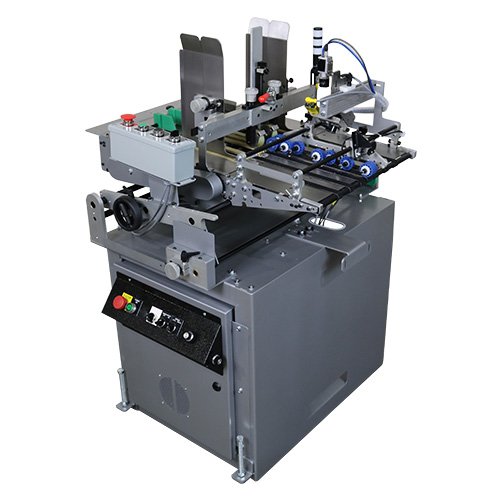
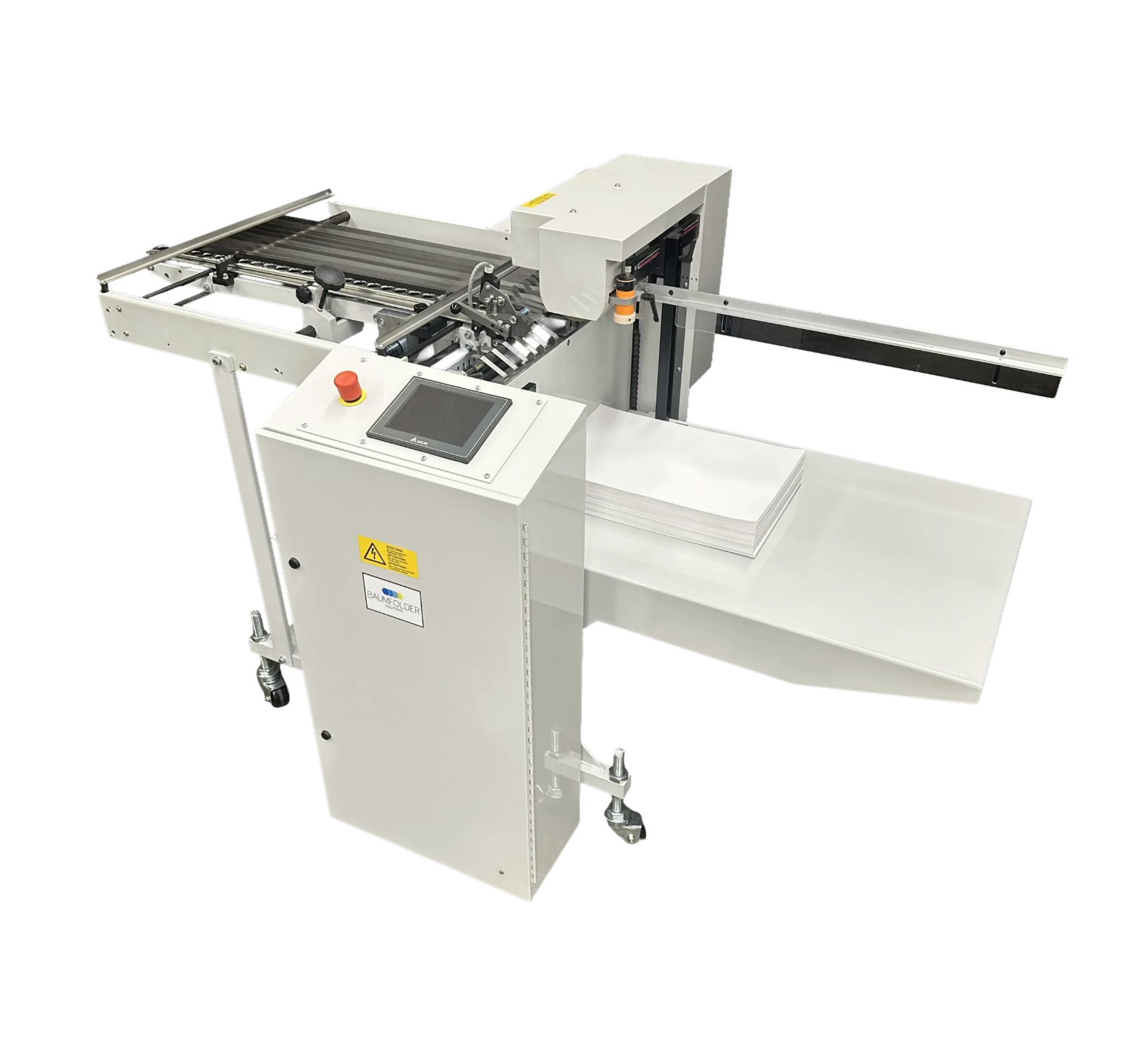
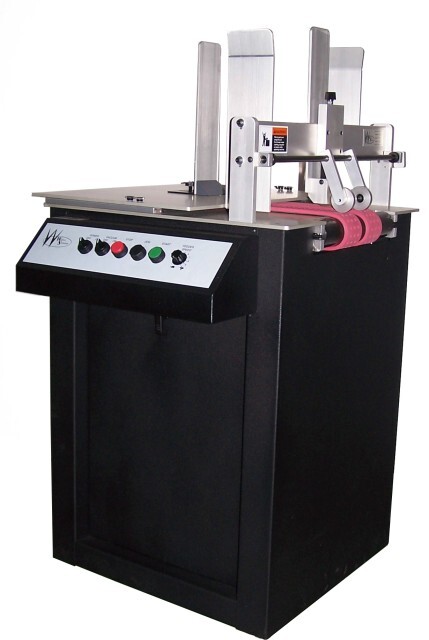
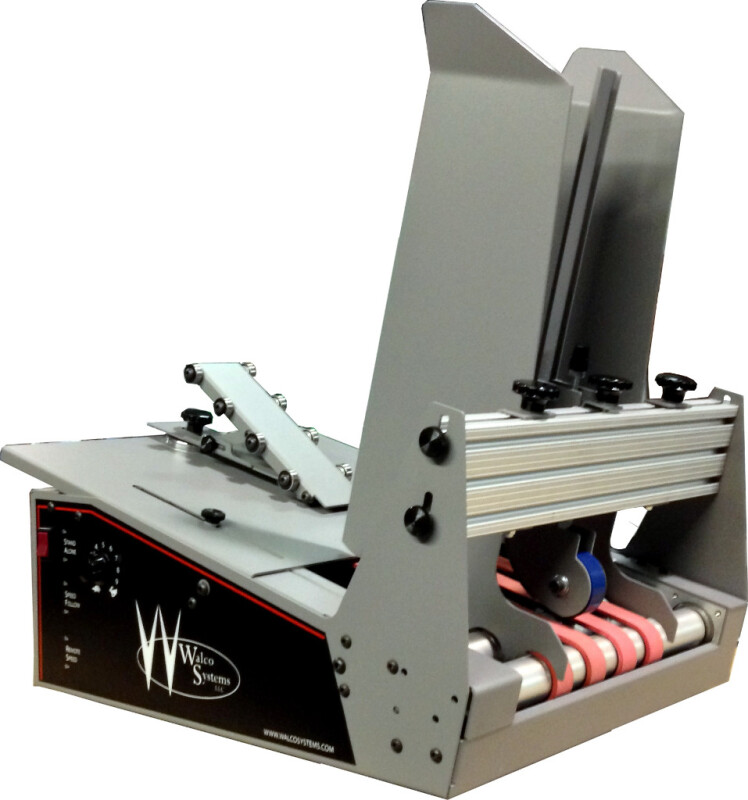
Walco Systems VF Series friction feeder

Walco Systems

VF Series Feeders

Versatile feeding systems for flat products such as card stock, self-mailers, sheet stock, corrugated material, and chipboard, with standard, wide-format, autoload, and integrated vacuum-transport configurations.

Model family: VF200, VF280, VF200AL, 655VFT

  • Multiple width and configuration options
  • Standard and autoload feeding arrangements
  • Available integrated vacuum-transport configuration
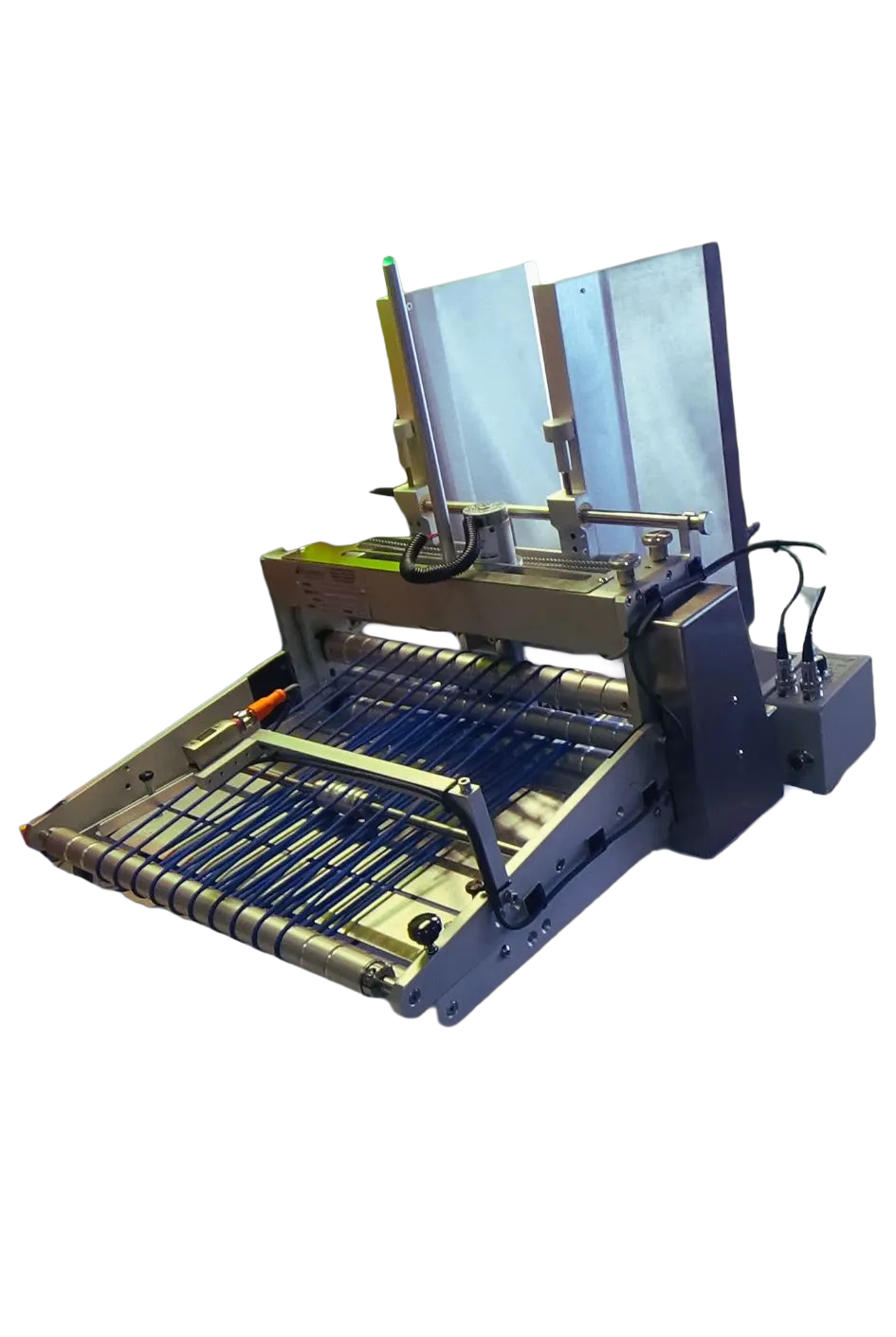
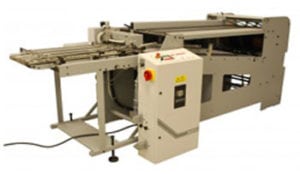
Pineberry HSF and SF series friction feeders

Pineberry

HSF & SF Friction Feeder Series

Friction feeder families for paper, pouches, cards, cartons, leaflets, booklets, and other flat or semi-flat products across print, mail, fulfillment, packaging, labeling, and manufacturing workflows.

Representative families: HSF series, SF series

  • Multiple product-width configurations
  • Start-stop and continuous-streaming options
  • Integration and specialized configuration options

Pile, Continuous & Specialty Feeders

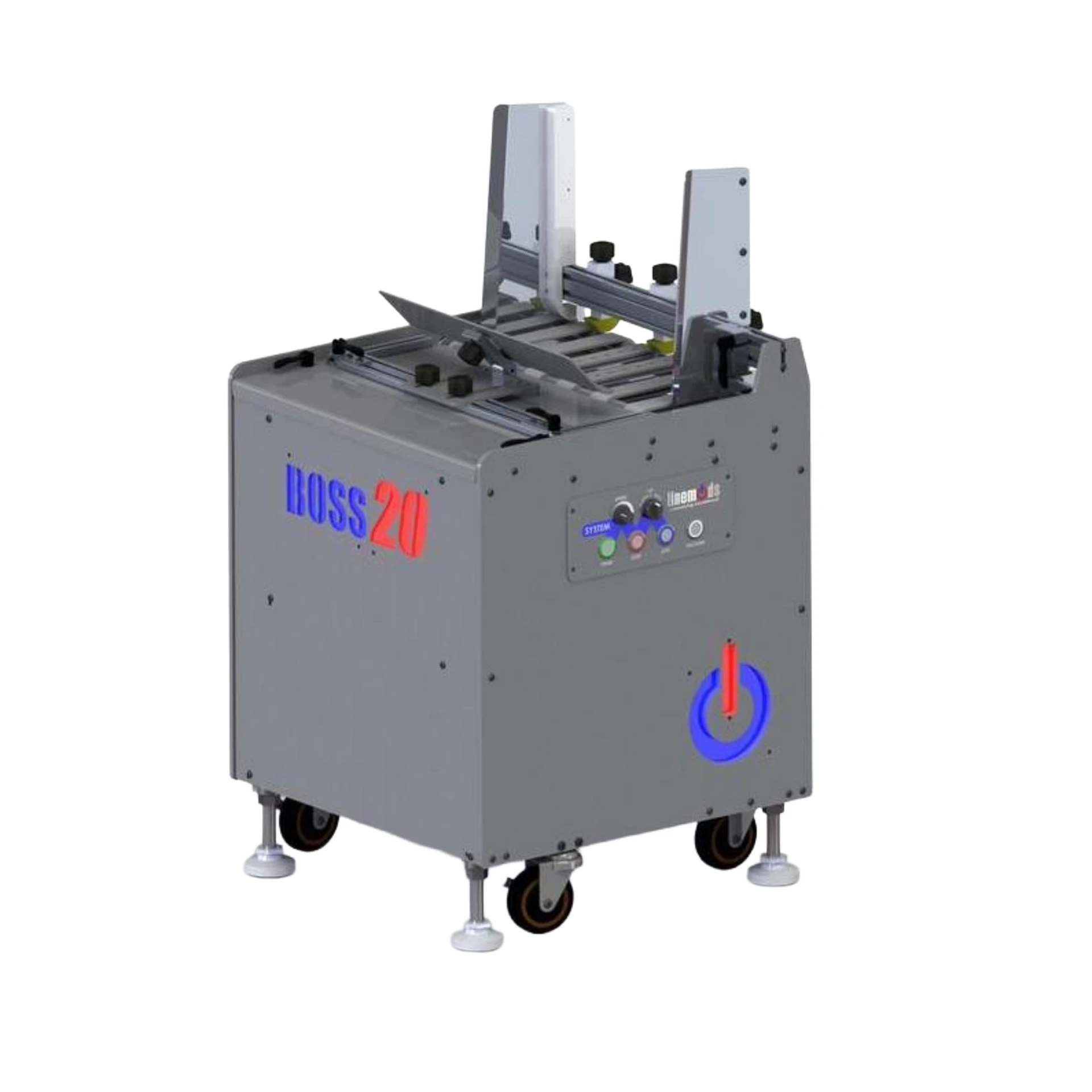
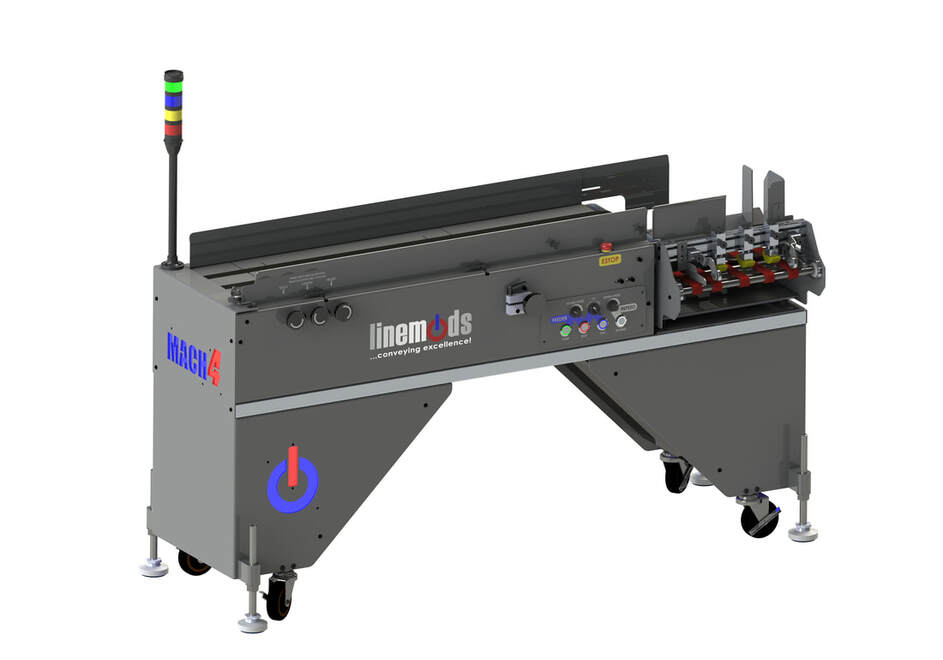
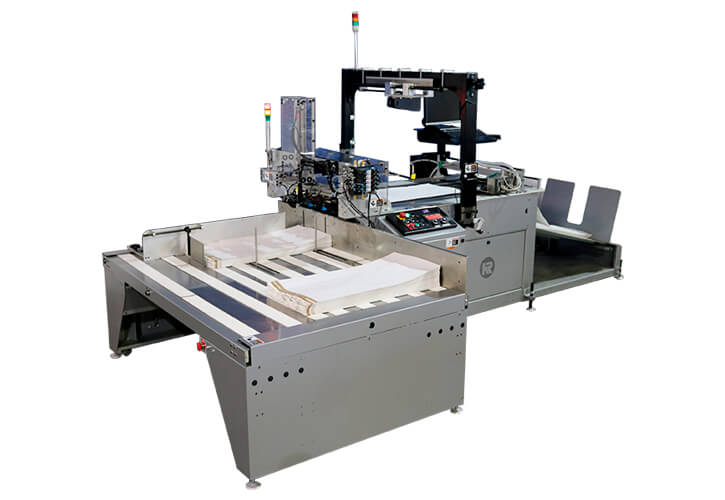
Pile, continuous, and specialty feeders support applications requiring larger material capacity, uninterrupted sheet flow, unusual products, or a feeding method beyond a traditional friction feeder.

The KR725 may support print, labeling, packaging, and fulfillment applications in addition to traditional mail-production workflows.

Paper Folding Equipment

Paper folders create consistent fold patterns for commercial print, short-run digital output, in-plant production, mail preparation, and downstream inserting or finishing.

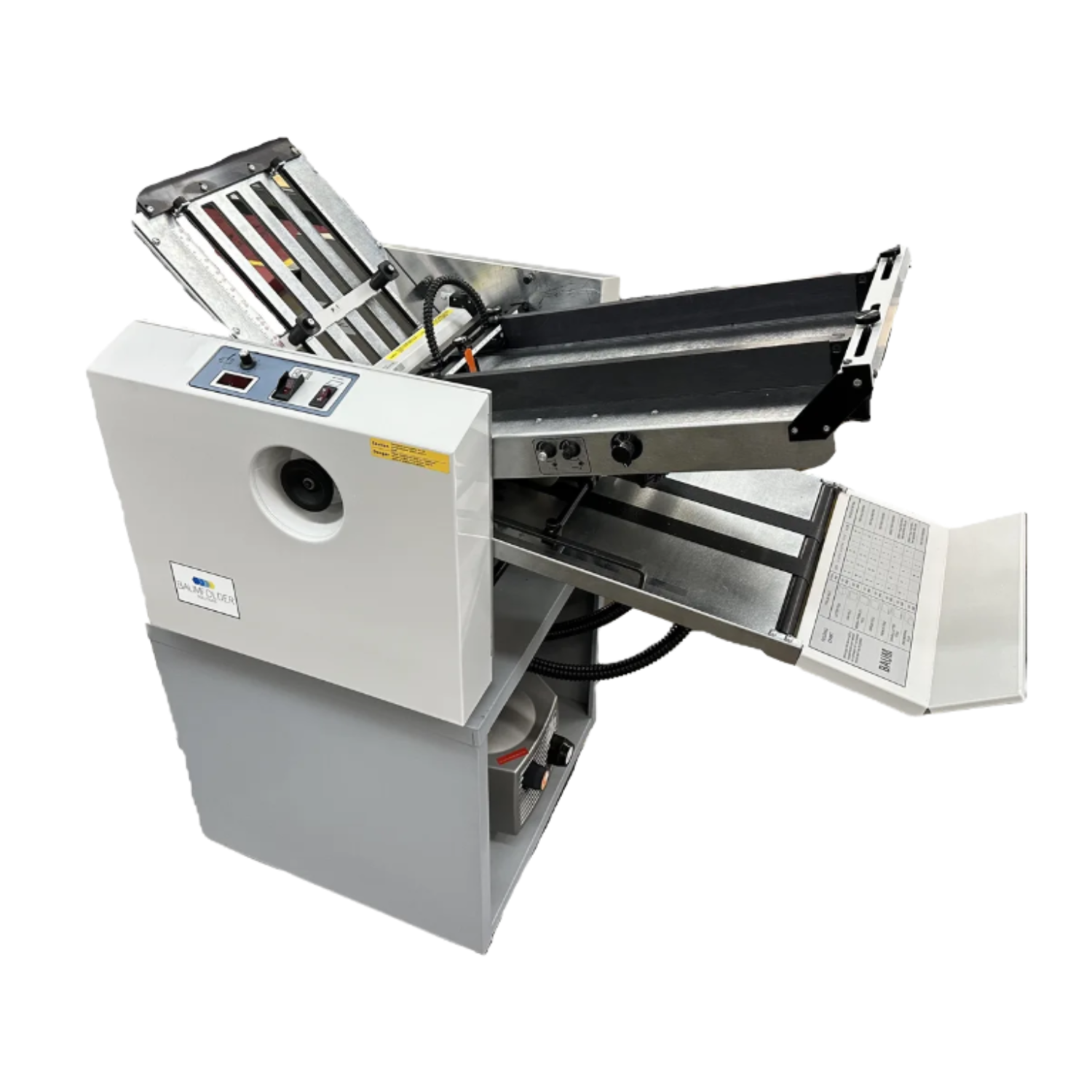
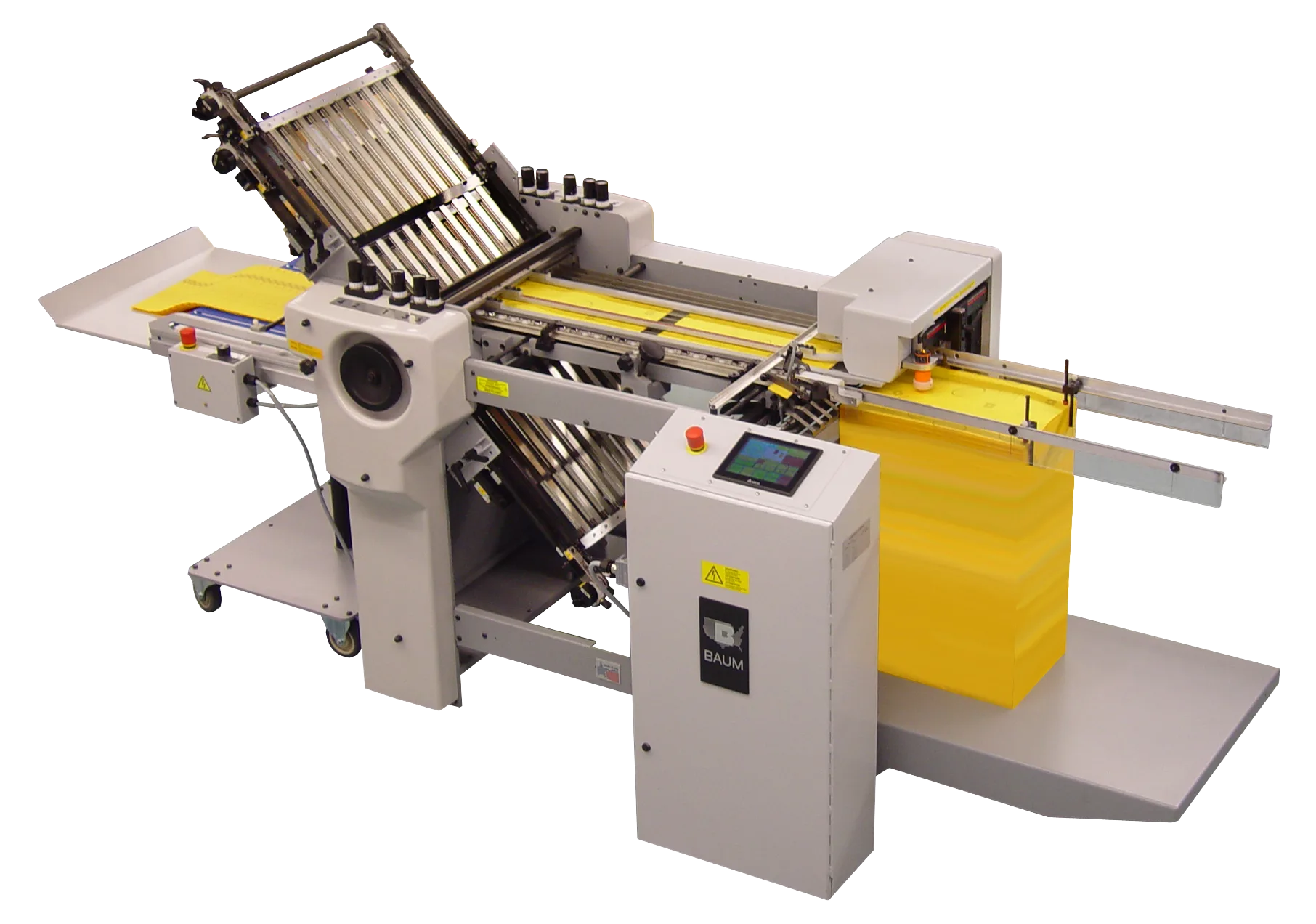
BAUM 714 XLT Ultrafold tabletop paper folder

BAUM

BAUM 714 XLT Ultrafold Tabletop Folder

A compact air-feed tabletop folder designed for short-run digital, commercial print, and in-plant applications, with support for folding and compatible finishing processes.

  • Air and vacuum feeding for printed stocks
  • Compact format with production-oriented construction
  • Can be combined with compatible BAUM feeding and finishing equipment

More Equipment Available

Looking for a Different Feeder or Folder?

The equipment featured above represents only a selection of the feeding and folding systems available through Atlantic Tape & Packaging. We work with multiple equipment manufacturers and can help identify the right model, configuration, and supporting equipment for your materials, production speed, available footprint, and workflow.

Available solutions include equipment from BAUM, Kirk-Rudy, Walco Systems, Line Mod, Pineberry, and additional manufacturers.

  • BAUM logo
  • Kirk-Rudy logo
  • Walco Systems logo
  • Line Mod logo
  • Pineberry logo

Additional manufacturers and equipment configurations may be available based on the application.

What Determines the Right Feeder or Folder?

The correct equipment should be selected around the material and production process, not only the advertised maximum speed.

Product or Sheet

Document the material type, dimensions, thickness, weight, coating, shape, flexibility, surface, and how consistently the products stack.

Feeding Method

Determine whether the application requires friction feeding, vacuum assistance, pile feeding, continuous feeding, autoloading, pick-and-place handling, or another specialized approach.

Production Rate and Product Gap

Review line speed, pieces per minute, required spacing, stopping or continuous motion, and how the feeder must synchronize with downstream equipment.

Folding Requirements

For folding applications, identify sheet size, stock, fold pattern, finished dimensions, job volume, and any perforating, scoring, or slitting requirements.

Existing Equipment and Integration

Review the printer, transport, inserter, conveyor, packaging machine, finishing system, controls, available space, and required pass-line height.

ATP uses this information to help match the application with an appropriate standalone feeder, folder, or connected production configuration.

Discuss Your Feeding or Folding Application

Related Solution

Addressing & Mail Production

Explore how feeding and folding equipment can work with inserting, addressing, tabbing, sorting, verification, and output handling across a complete production mail workflow.

Need Feeding Equipment in a Larger System?

Integrated Systems

Connect feeders and folders with printers, inserters, transports, conveyors, packaging equipment, labeling systems, inspection, and production controls.

Explore Integrated Systems

Service & Support

Request installation, training, preventive maintenance, troubleshooting, and repair support for eligible feeding and folding equipment.

Explore Service & Support

Feeders & Folders FAQs

What is a friction feeder?

A friction feeder separates flat or semi-flat products from a stack using belts and separation components, then introduces each product into a printer, conveyor, inserter, packaging line, or another downstream process.

What is the difference between a pile feeder and a friction feeder?

A friction feeder generally separates products from a hopper or stack using friction belts. A pile feeder is designed to manage a larger stack of sheet material and may use air, vacuum, pile-height sensing, registration, or other controls to introduce sheets into downstream equipment.

Can feeders be added to existing production equipment?

In many applications, a feeder can be connected to an existing printer, transport, inserter, conveyor, finishing machine, or packaging line. Compatibility depends on the material, speed, controls, pass-line height, available space, and equipment interfaces.

What information does ATP need to recommend a feeder or folder?

Helpful information includes product or sheet samples, dimensions, thickness, stack characteristics, production speed, required product gap, fold requirements, current equipment, available space, and photographs or video of the process.

Do you offer feeders and folders that are not shown on this page?

Yes. The machines displayed on this page are a featured selection and do not represent ATP's complete equipment offering. Our equipment specialists can help evaluate additional manufacturers, models, configurations, and integrated systems based on your application and production requirements.
Find the Right Feeder or Folder for Your Workflow

Tell ATP Equipment Solutions what you are feeding or folding, how the material behaves, how quickly production runs, and where the product needs to go next.