EndFlex
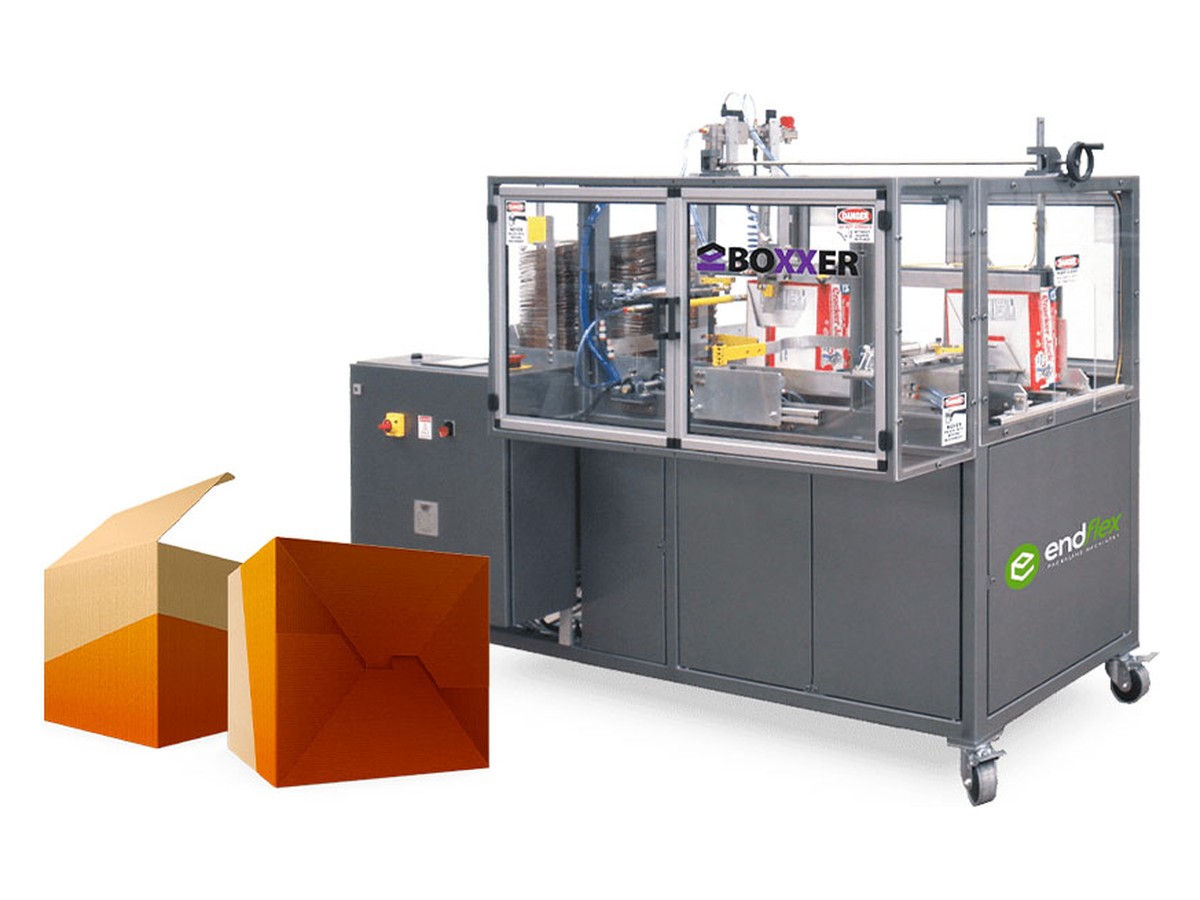
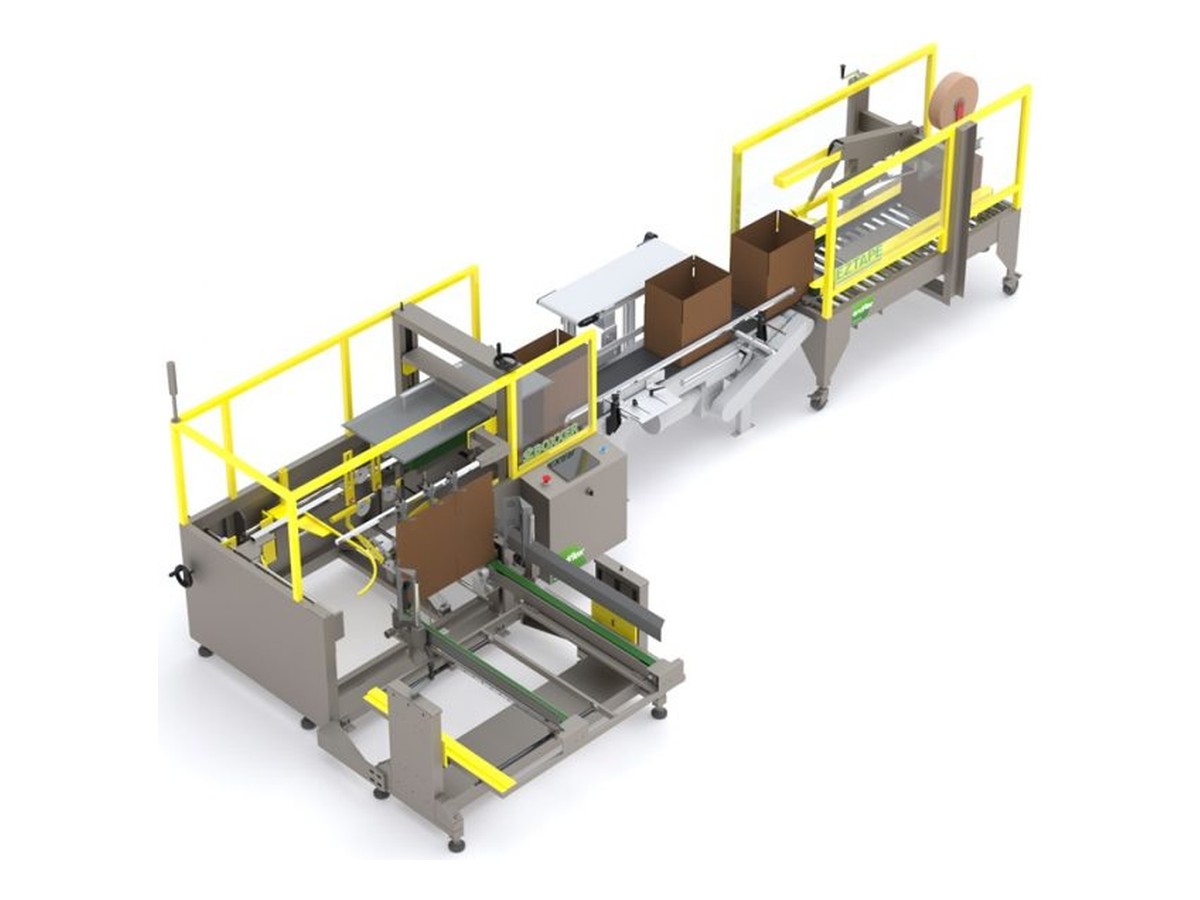
Boxxer Case Erector Family
Automatic case-forming systems that erect and prepare corrugated cases for downstream loading and sealing.
- Automatic case erecting
- Corrugated case handling
- Downstream line feeding
Packaging Automation Equipment
Erect cases and trays, form cartons, load products, close packages, and create right-sized corrugated packaging using equipment configured around the product and production workflow.
Available systems range from standalone case erectors and cartoners to robotic case-packing cells and box-on-demand production lines.
Explore Packaging Automation SolutionsEquipment is organized by the step it performs so forming, loading, and right-sized packaging can be evaluated separately.
Systems that erect corrugated cases and form trays for downstream loading and sealing.
EndFlex
Automatic case-forming systems that erect and prepare corrugated cases for downstream loading and sealing.
EndFlex
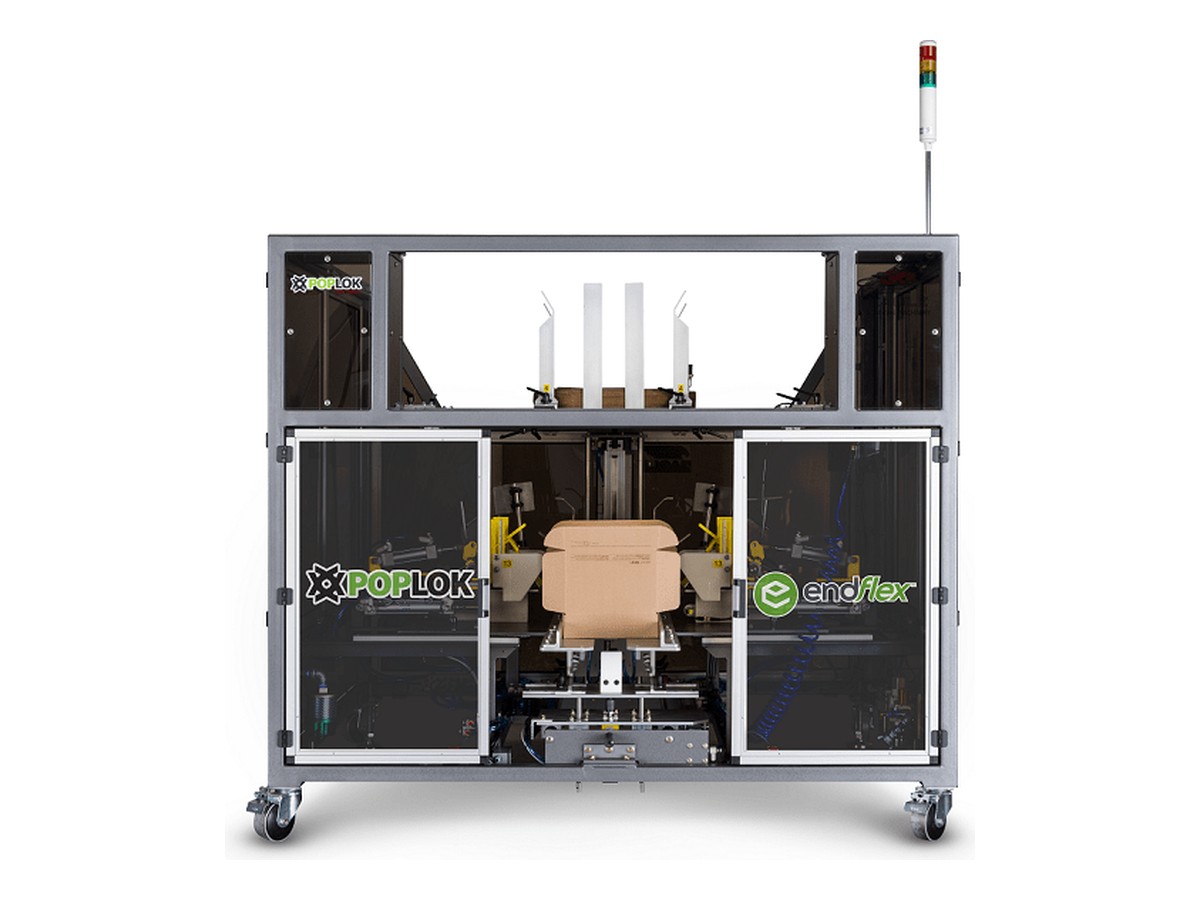
Tray-forming equipment for display trays, shippers, corrugated packaging, and application-specific die-cut formats.
Raumak Packaging
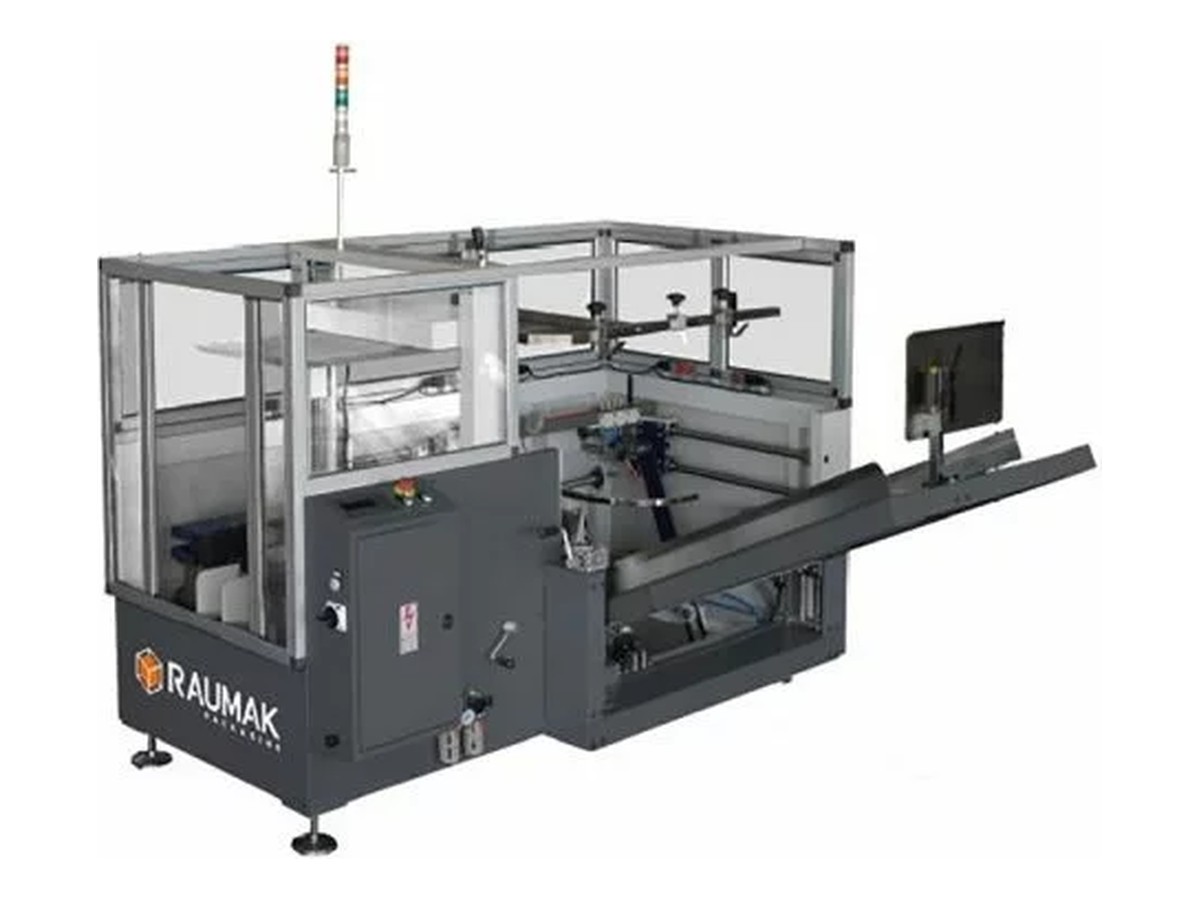
A coordinated family of equipment for erecting, loading, and closing corrugated shipping cases.
Boxer Erector, Boxer Sealer, and Boxer Line configurations.
Cartoners, sleevers, and case-packing systems for paperboard cartons, multipacks, trays, and corrugated cases.
EndFlex
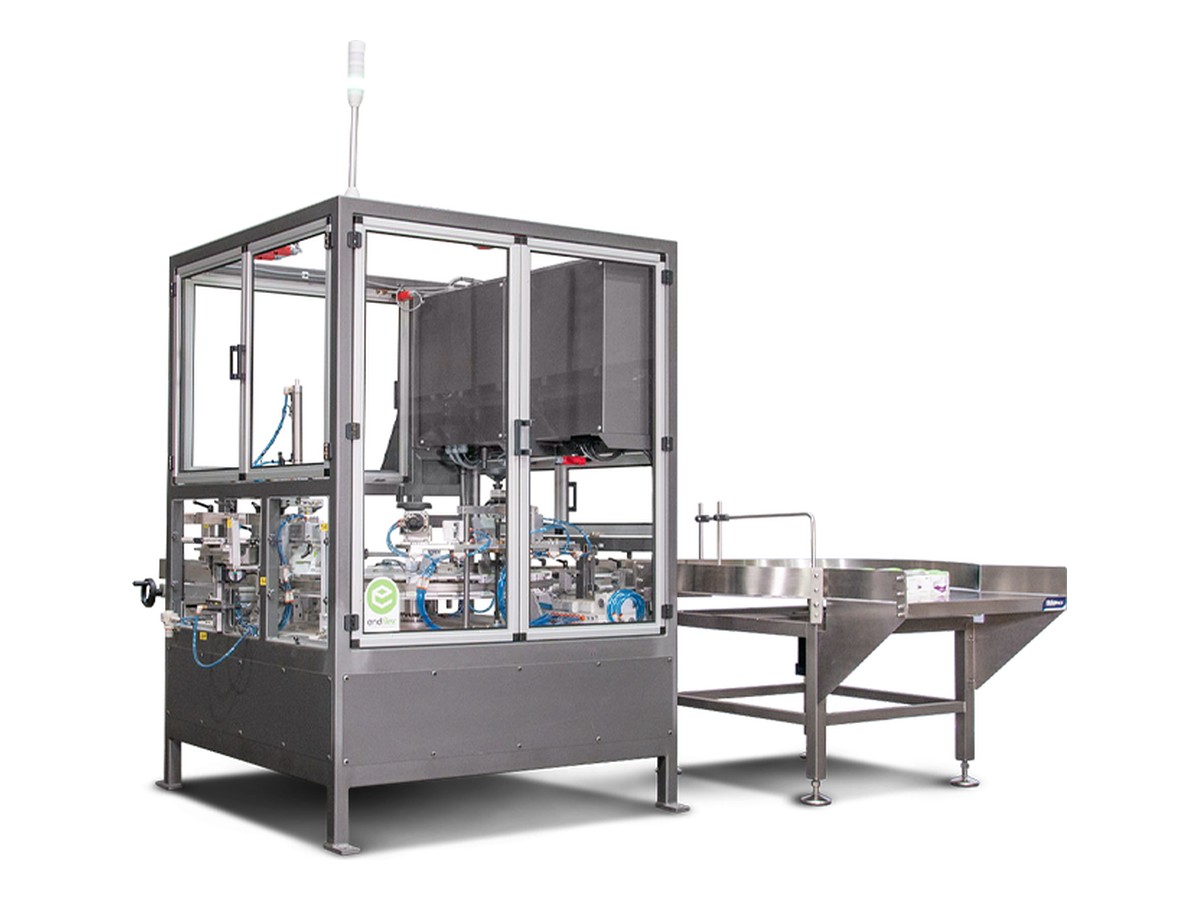
Vertical and horizontal cartoning equipment for forming cartons, loading products, and closing the completed package.
EndFlex
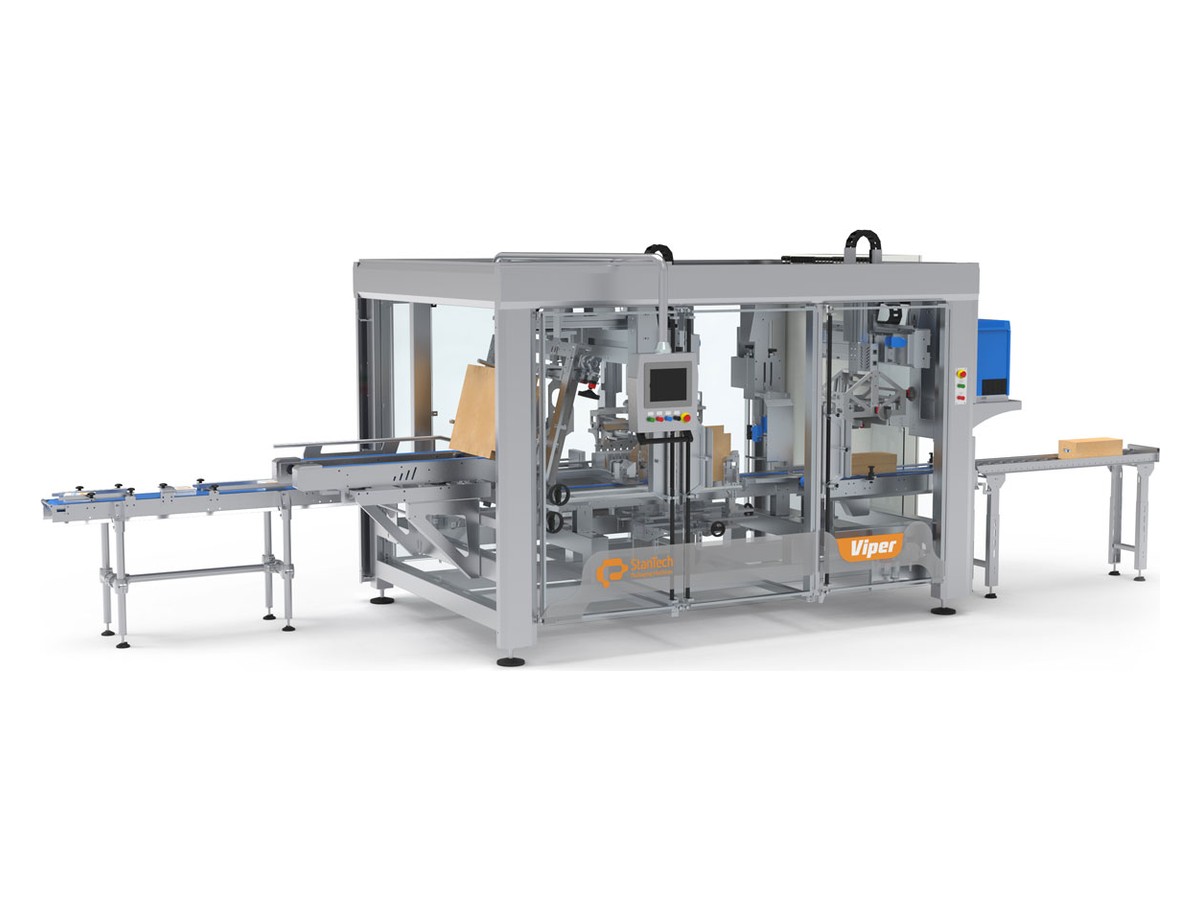
Semi-automatic and automated case-packing systems for top-load, side-load, robotic, and application-specific product loading.
StanTech Packaging Machines
Application-specific case and tray packing systems for boxes, bags, trays, bundles, and packaged goods.
UNIPACK, VIPER, VIPER TL, and SPIDER systems.
StanTech Packaging Machines
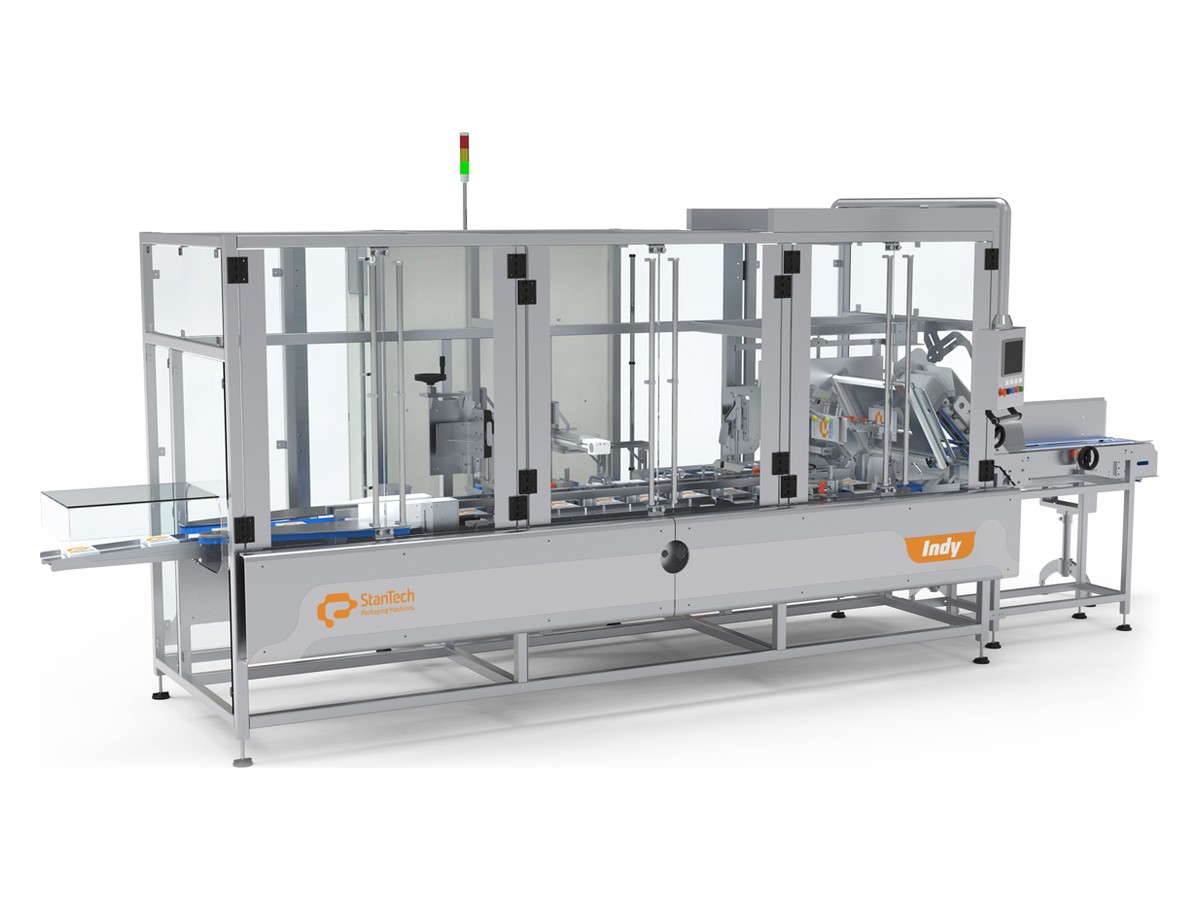
Cartoning and sleeving systems for paperboard cartons, multipacks, trays, and application-specific secondary packaging.
Raumak Packaging
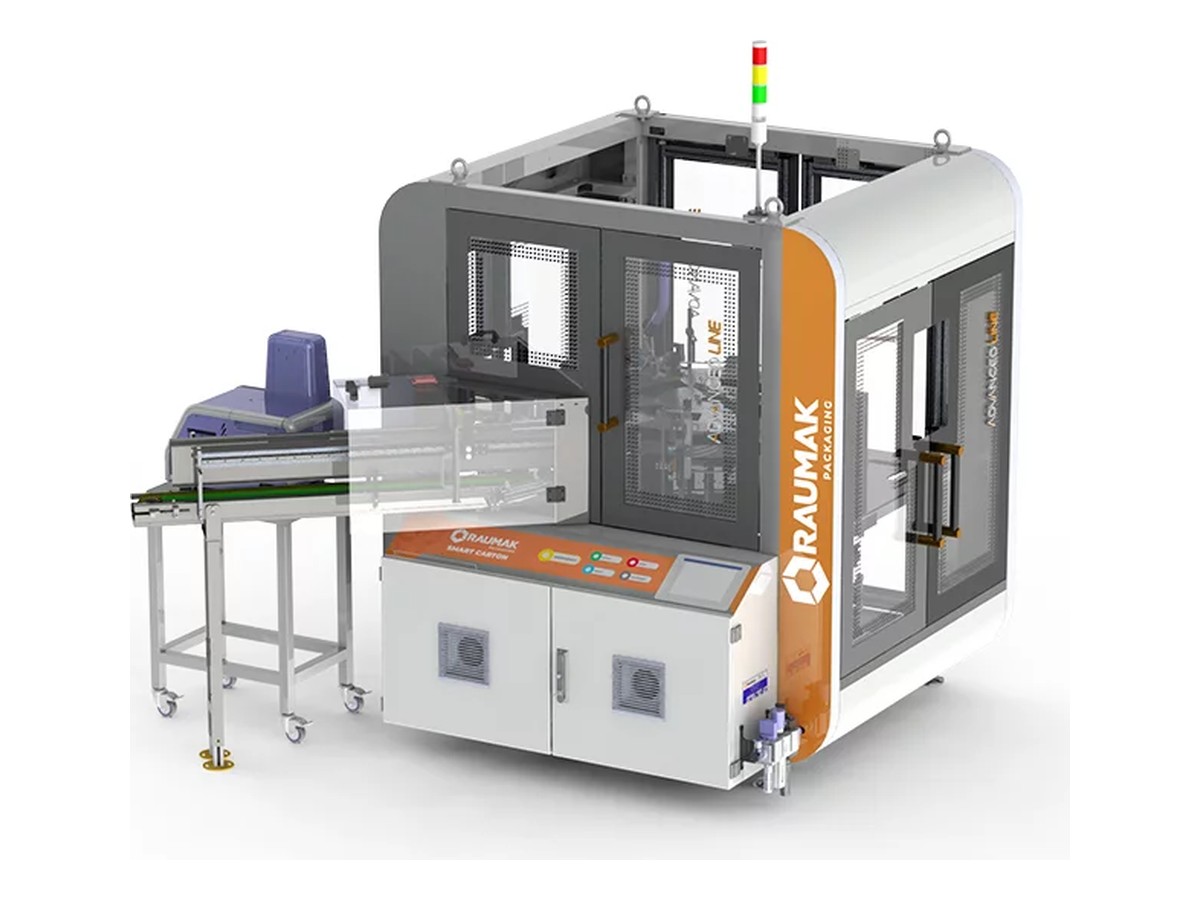
Vertical and horizontal cartoning systems for product insertion, carton forming, and closing.
Carton Line, Smart Carton, Infinity Carton, and Carton Flex systems.
Corrugated-processing systems that create packaging around the order, plus the automatic closing platform that connects with them.
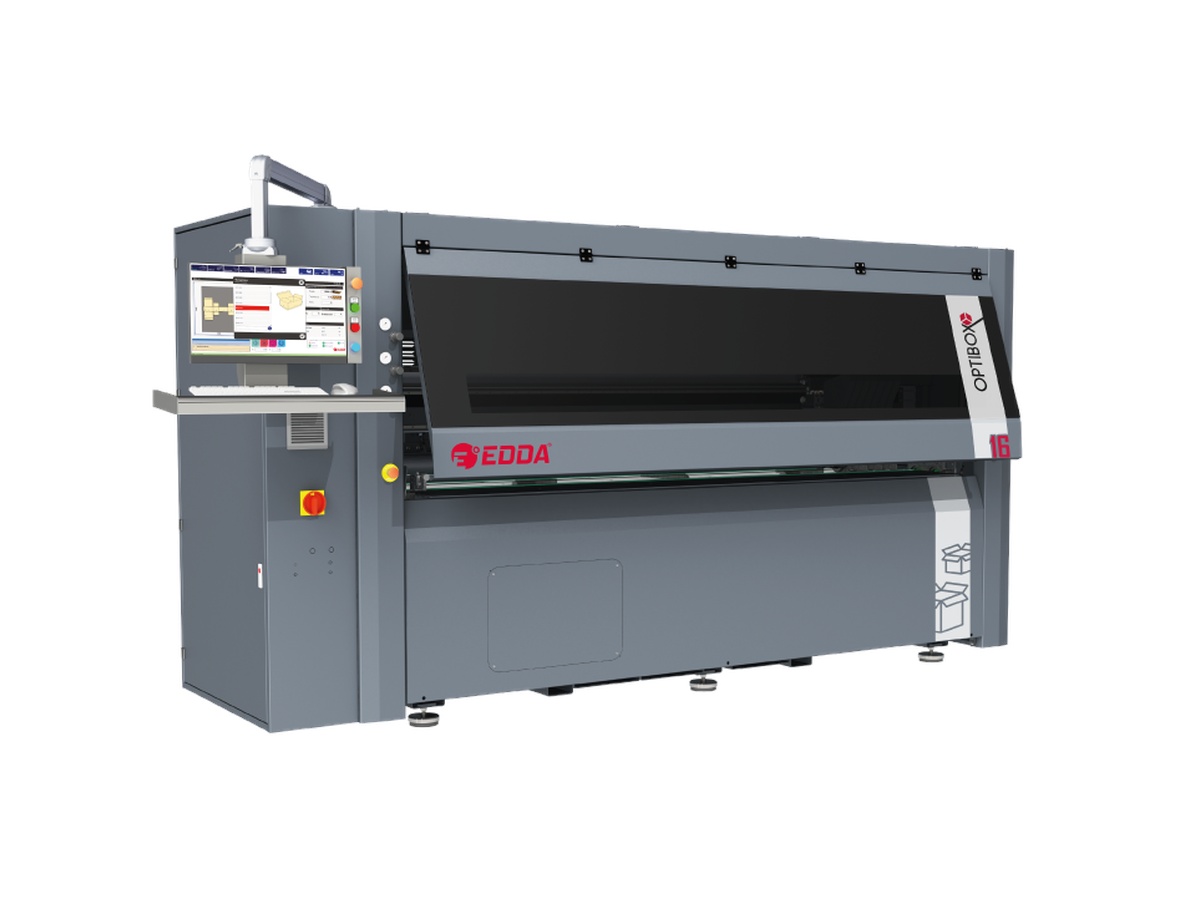
ATP Equipment Solutions
ATP's private-label box-on-demand system for producing made-to-measure corrugated box blanks from fanfold or sheet material.
Manufactured by Edda.
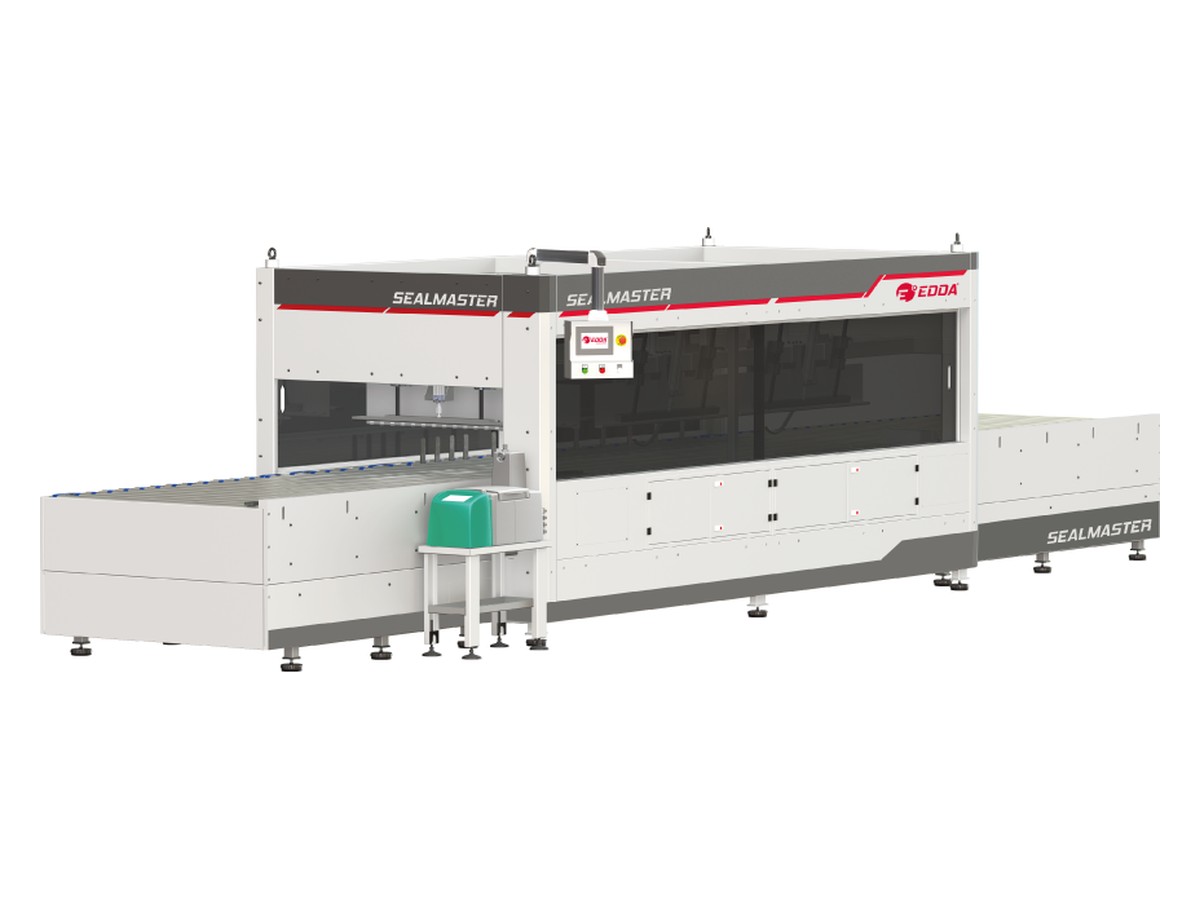
EDDA Packaging
A fully automatic box-closing and sealing platform designed to connect with EDDA carton-packaging and box-on-demand workflows.
Five areas usually decide the configuration before rated output is compared.
Confirm the package style, board grade, and blank construction the operation uses today or intends to move toward.
Determine whether products are top-loaded, side-loaded, collated, or placed robotically, and how consistently they present themselves.
Document the range of package sizes, how often they change, and whether order-driven sizing is required.
Review the required rate, the number of formats, and how quickly the line must change between them.
Confirm whether cases are taped or glued, and how packages move toward strapping, wrapping, palletizing, and shipping.
Close and secure formed and loaded cases with tape, glue, or strapping.
Explore Case Sealing & StrappingSee how forming, packing, sealing, and palletizing fit together across the packaging process.
Explore Packaging Automation SolutionsMove, accumulate, and route cases from the packing station toward the shipping dock.
Explore Material Handling & End-of-Line AutomationConnect forming, loading, sealing, coding, labeling, and palletizing into one coordinated line.
Explore Integrated SystemsRelated Solution
Explore how forming, filling, packing, protecting, sealing, wrapping, strapping, and palletizing can work together across a complete packaging process.
Connect packaging equipment with conveyors, coding, labeling, inspection, robotics, production data, and line controls.
Explore Integrated SystemsRequest installation, training, preventive maintenance, troubleshooting, and repair support for eligible packaging equipment.
Explore Service & SupportA case erector forms a flat corrugated blank into an open case and prepares it for loading. A case packer places product into that case. Some systems combine forming, loading, and closing, while others operate as separate machines connected by conveyor.
A cartoner forms a paperboard carton, loads the product, and closes the completed package. Vertical and horizontal formats exist, and the correct approach depends on the product, carton style, and how the product can be presented to the machine.
Box-on-demand equipment produces corrugated packaging sized to the order rather than selecting from a limited set of standard boxes. The approach can reduce void fill and dimensional shipping volume, but it requires accurate product dimensions and connected order data.
Useful details include the case, tray, or carton style, product dimensions and pack pattern, loading method, required rate, changeover frequency, sealing method, and the conveying or palletizing steps that follow.
Share the case or carton, the product pattern, and the required rate, and ATP can help identify appropriate forming, loading, and closing equipment.