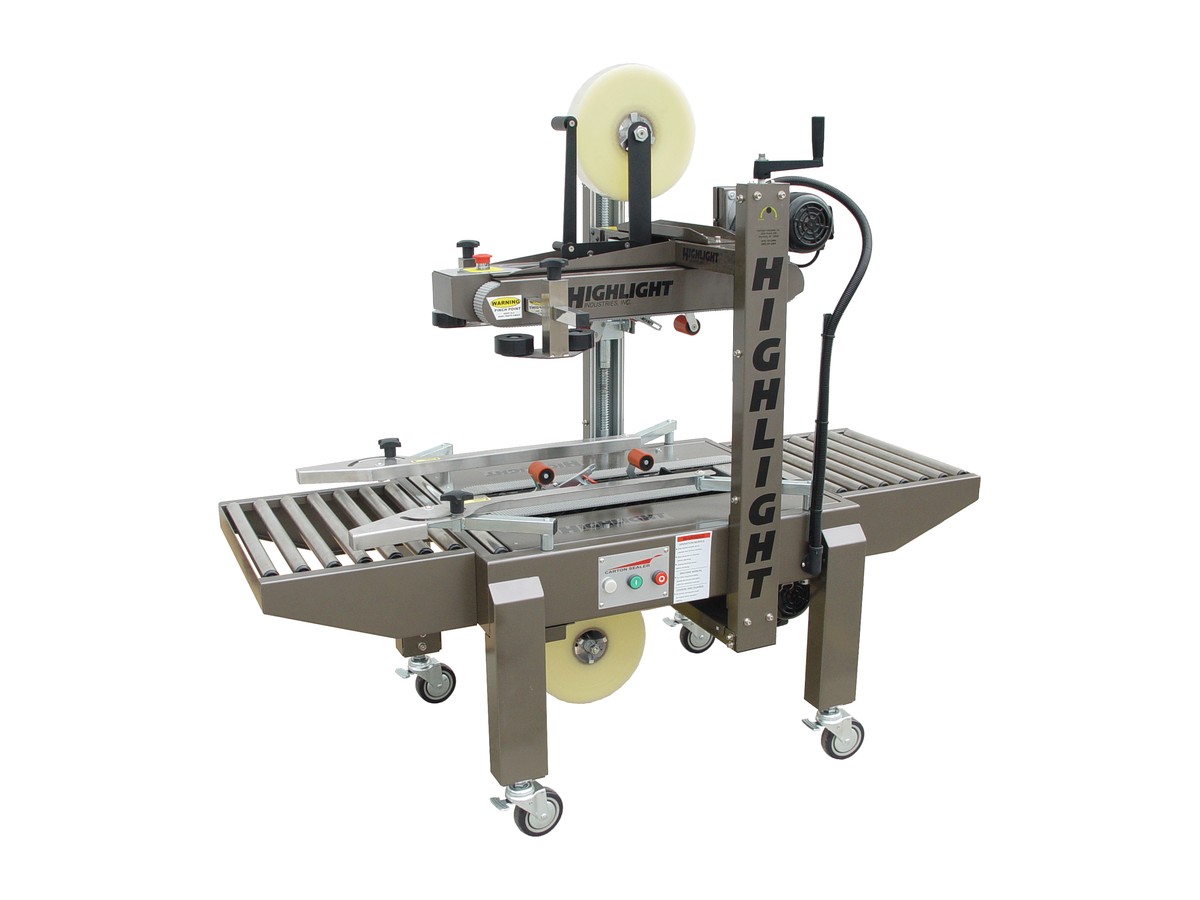
Highlight Industries
Magnum Case Sealer Family
Uniform and application-specific case sealers for top and bottom taping of corrugated shipping cases.
- Top and bottom taping
- Uniform case sealing
- Corrugated shipping cases
Packaging Automation Equipment
Close corrugated cases and secure cartons, bundles, and pallet loads using automatic or semi-automatic tape, glue, and plastic-strapping equipment.
The right system depends on case consistency, package dimensions, strap material, load requirements, production rate, operator involvement, and downstream handling.
Explore Packaging Automation SolutionsEquipment is grouped by closure method and by how much operator involvement the process requires.
Tape and glue sealing systems for uniform, random, and application-specific corrugated cases.
Highlight Industries
Uniform and application-specific case sealers for top and bottom taping of corrugated shipping cases.
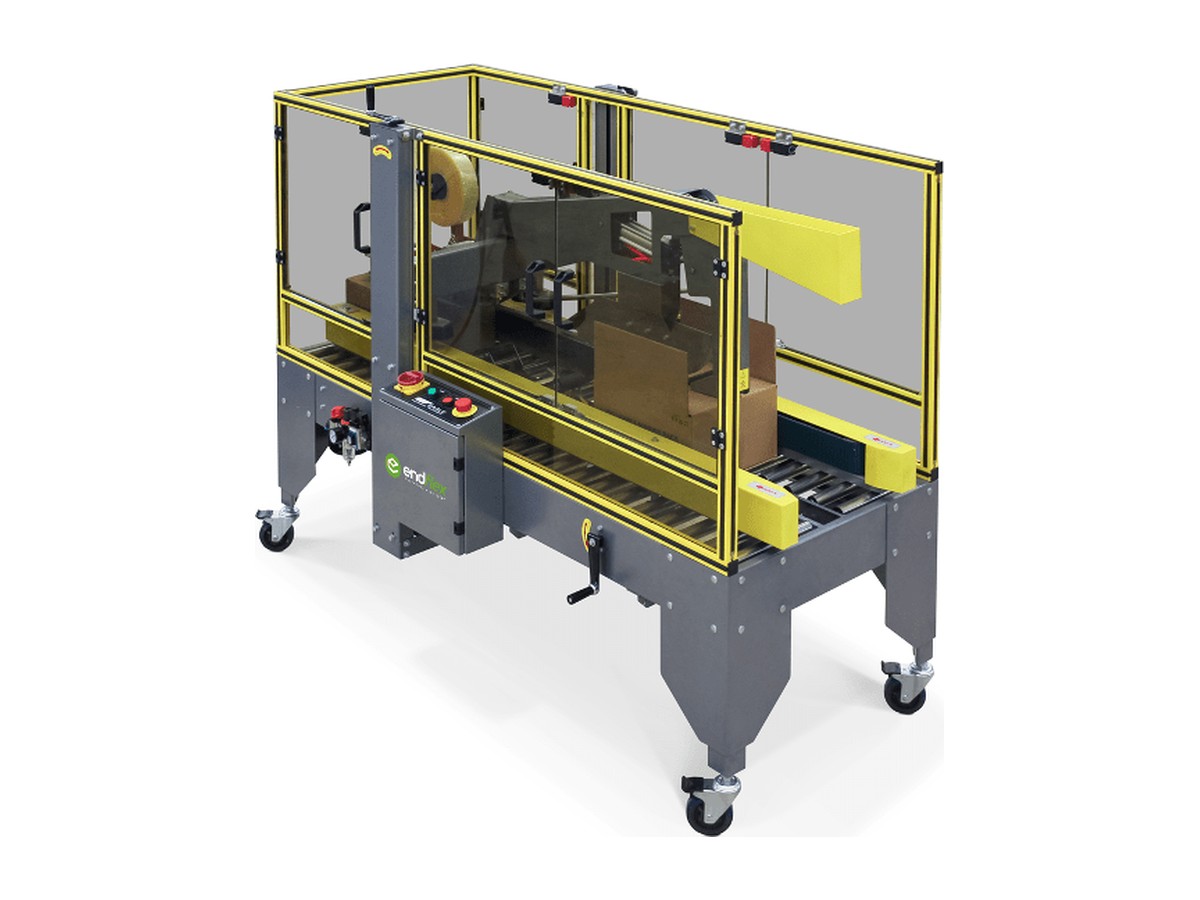
EndFlex
Semi-automatic and automatic tape-sealing systems for uniform and application-specific corrugated cases.
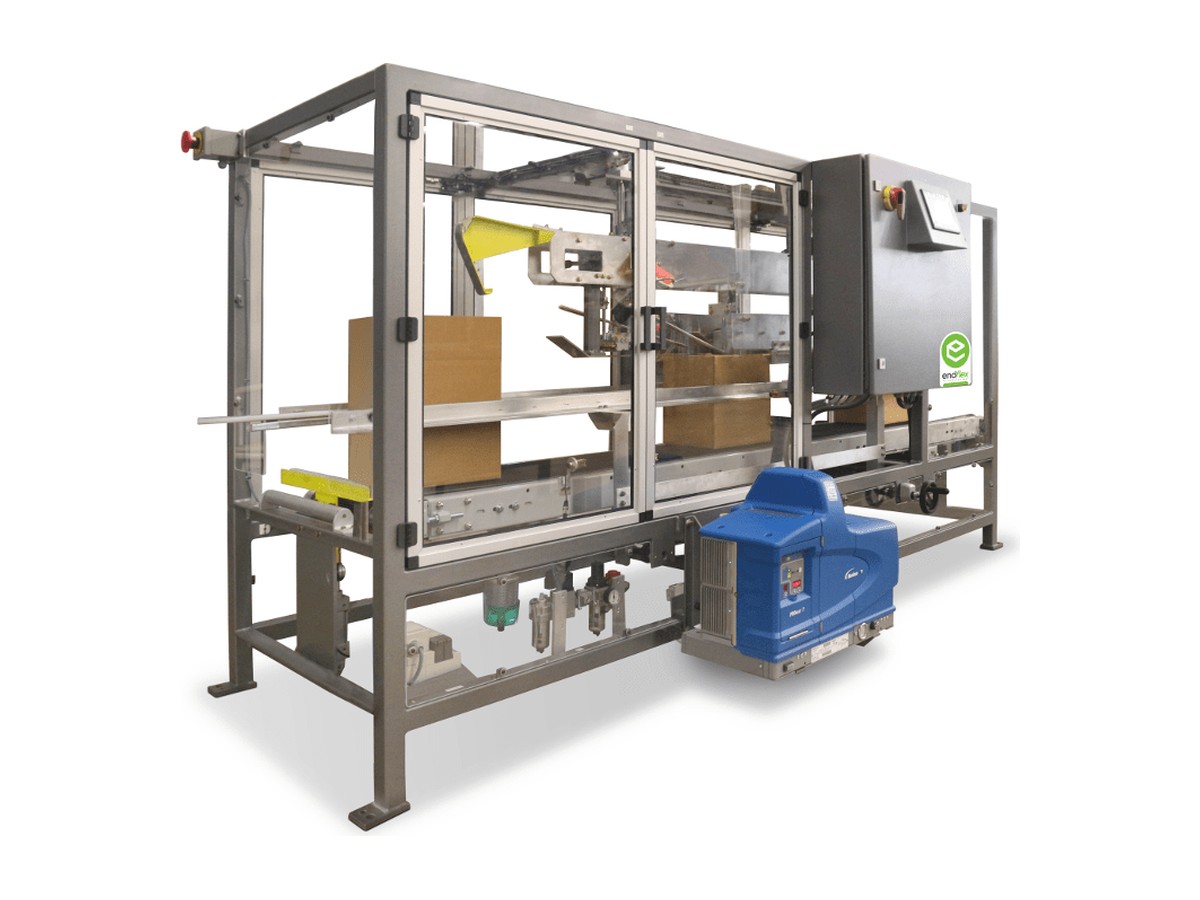
EndFlex
Hot-melt glue sealing systems for cases, trays, cartons, and connected secondary-packaging lines.
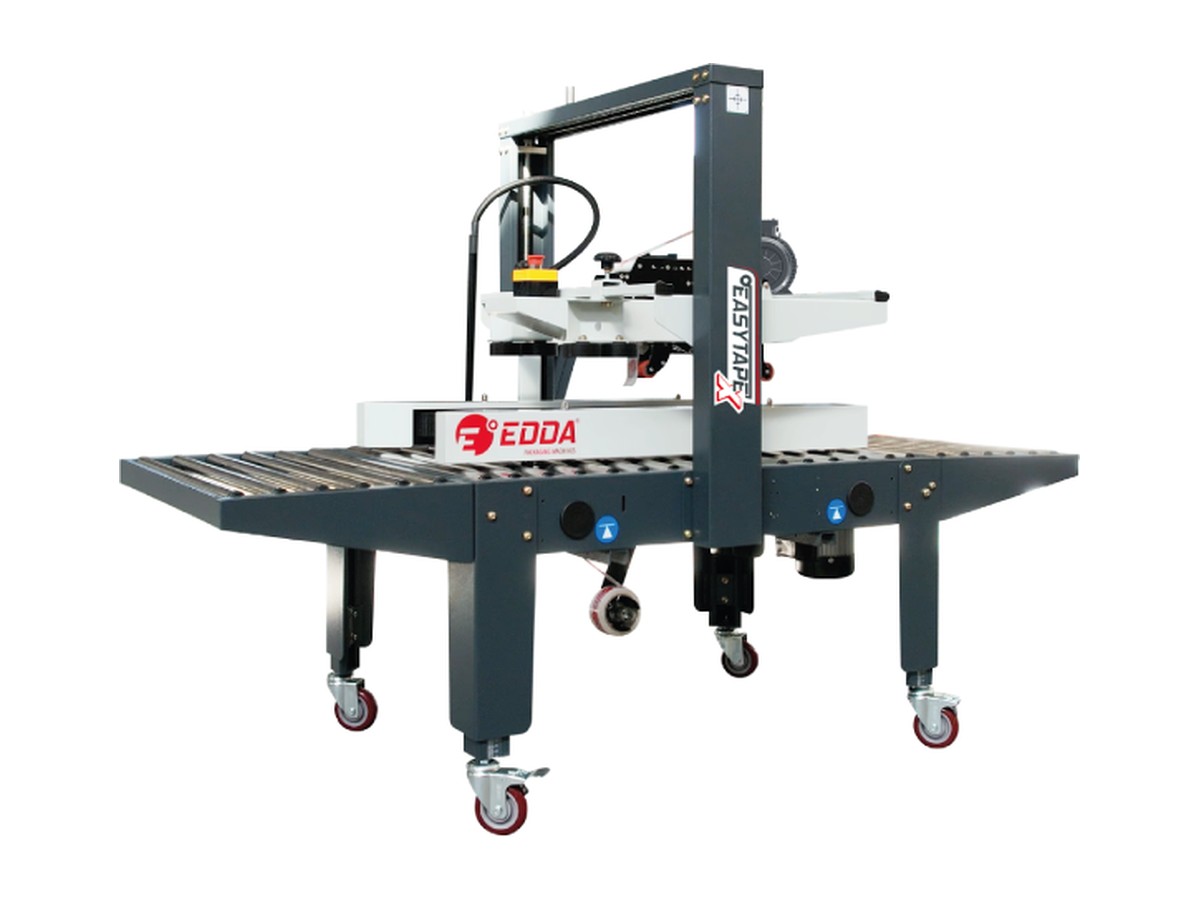
EDDA Packaging
Automatic and semi-automatic systems for closing and taping cartons and corrugated packages.
EasyTape, EasyTape X, and approved TapeMaster configurations where relevant.
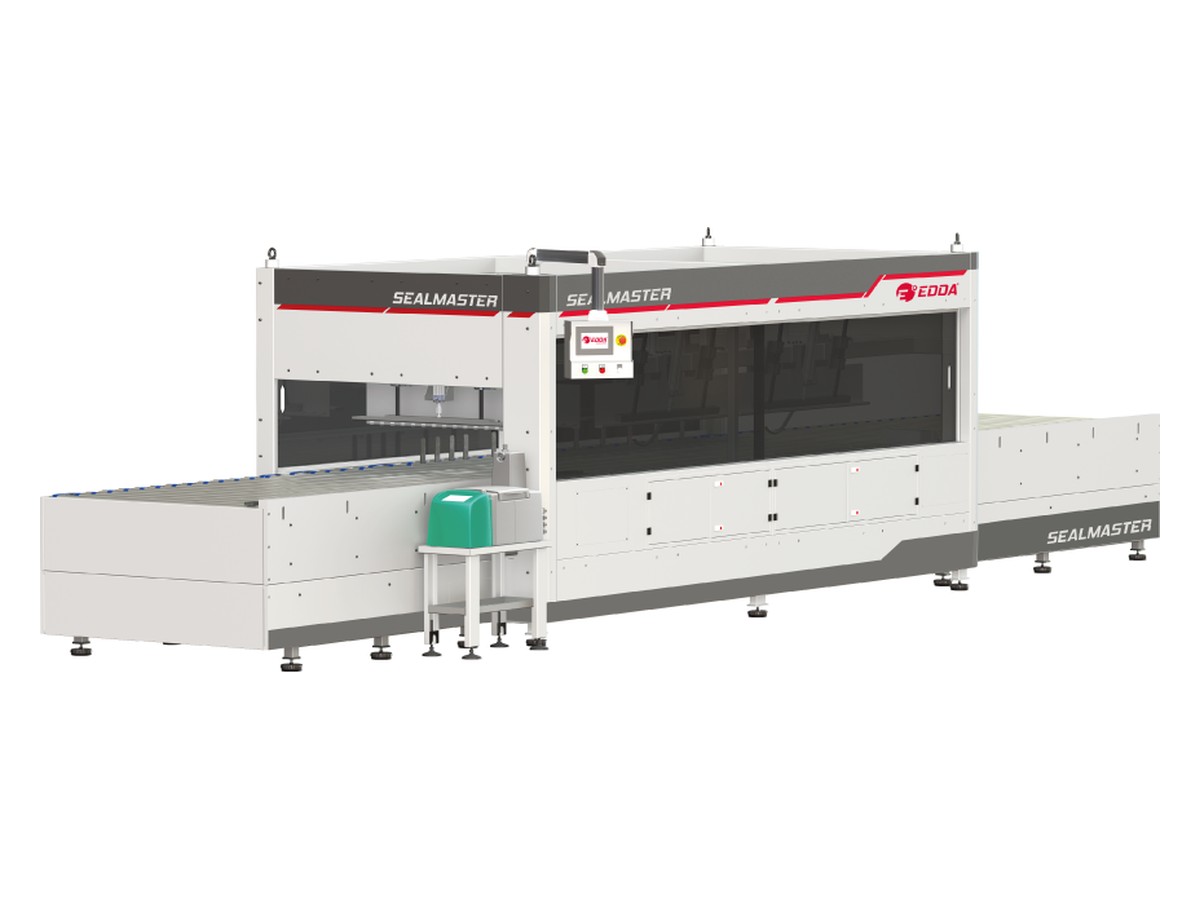
EDDA Packaging
A fully automatic box-closing and sealing platform designed to connect with EDDA carton-packaging and box-on-demand workflows.
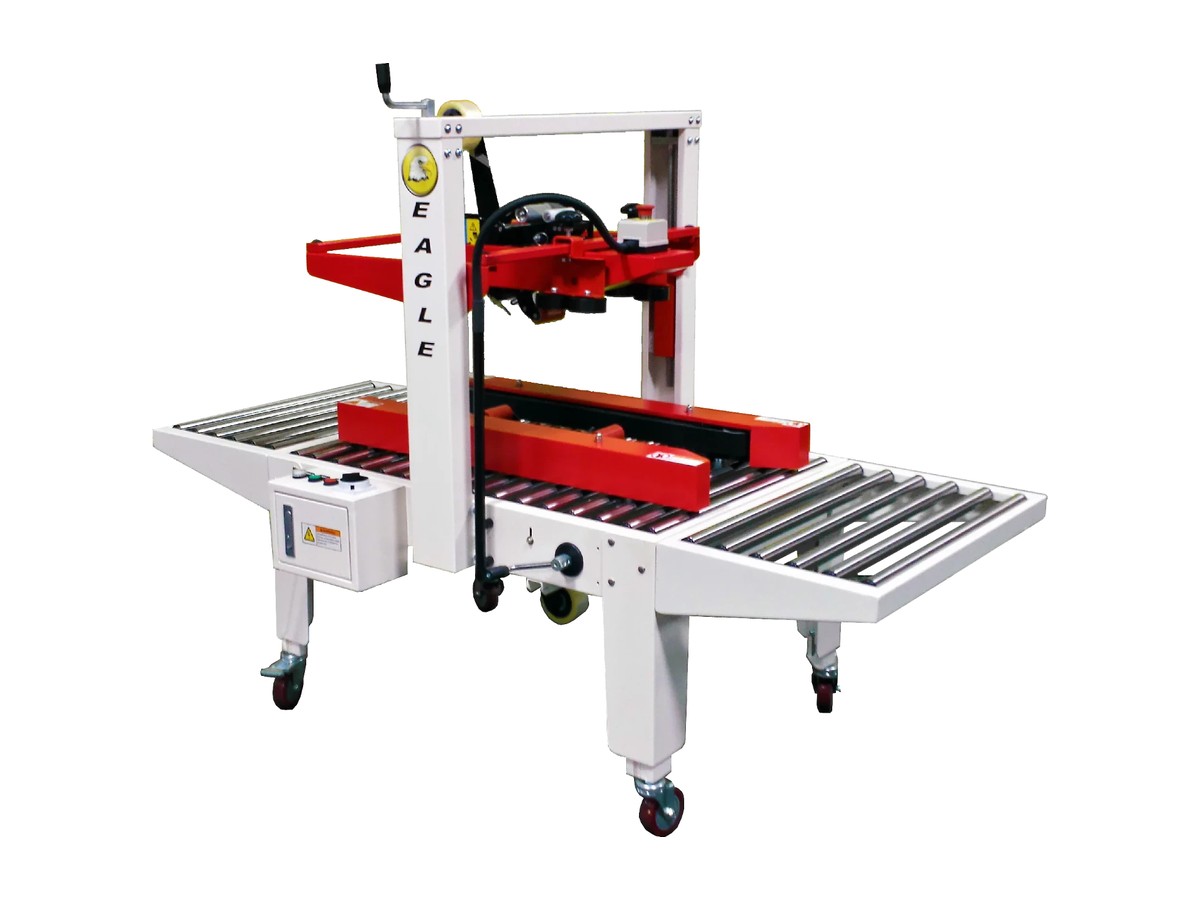
Eagle Packaging Equipment by Berran Industrial Group
A broad family of uniform, random, semi-automatic, and fully automatic carton-sealing equipment.
T100, T200, T210, T400R, T500, and related random and specialty configurations.
Table, automatic, and pallet strapping systems for packages, bundles, and completed loads.
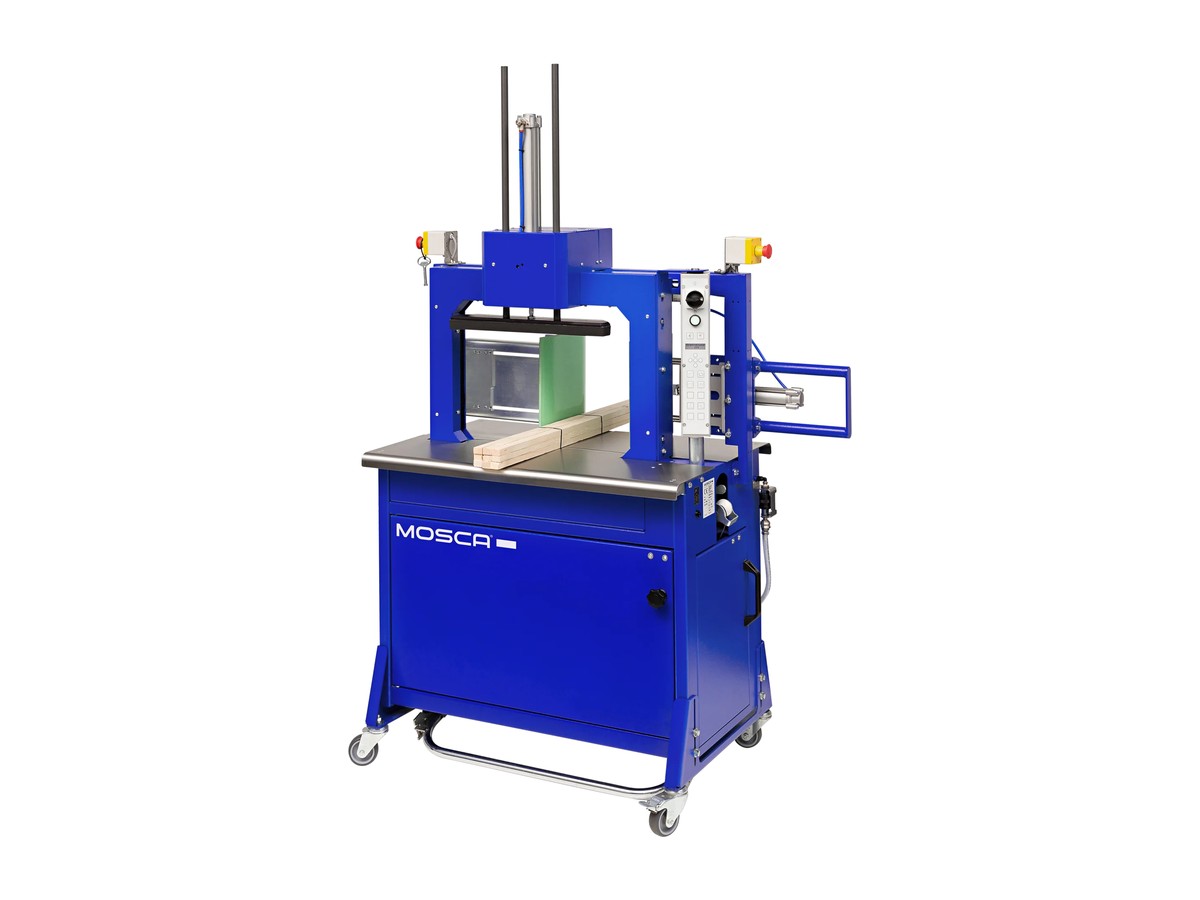
Mosca
Automatic and fully automatic strapping systems using Mosca SoniXs sealing technology for packages, cartons, bundles, and production lines.
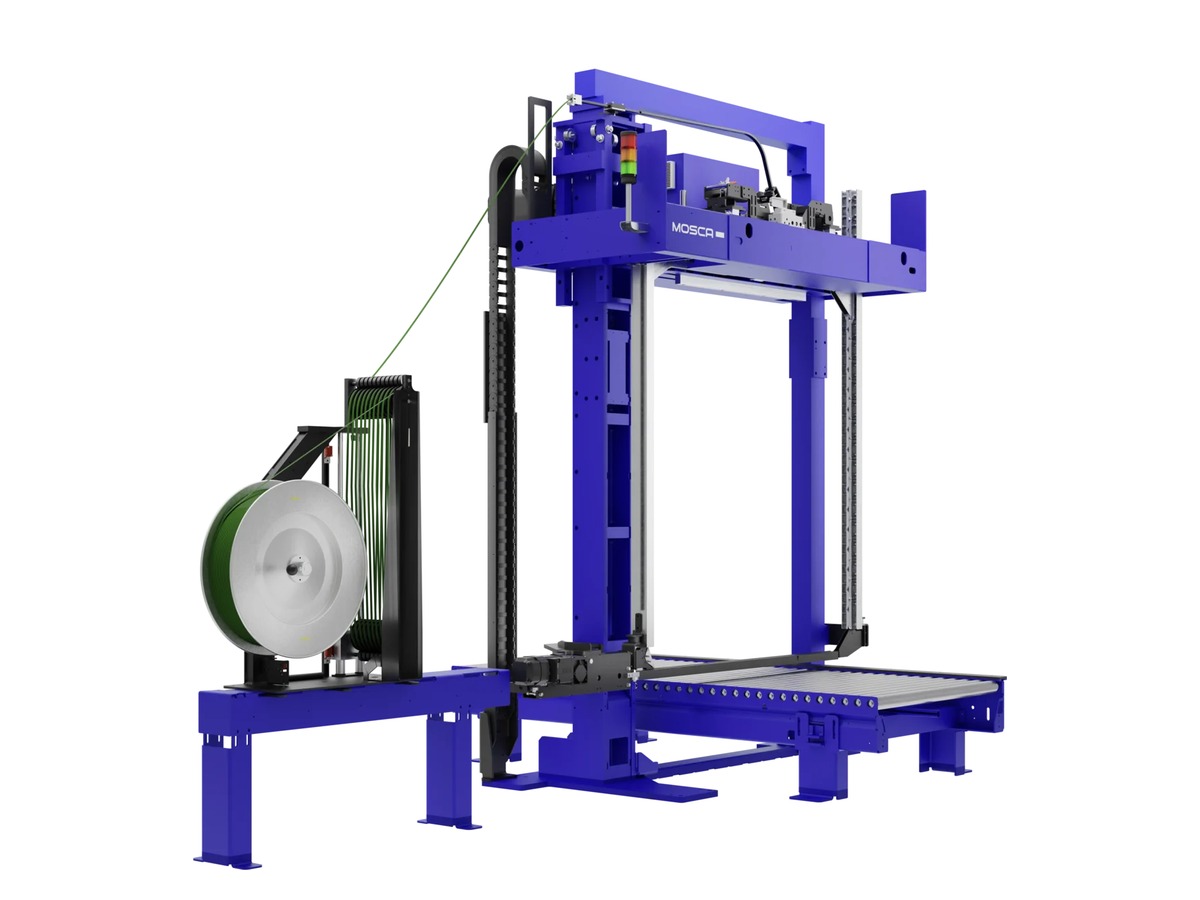
Mosca
Pallet load-securing systems for vertical strapping, with the Combi configuration adding stretch wrapping to the same process.
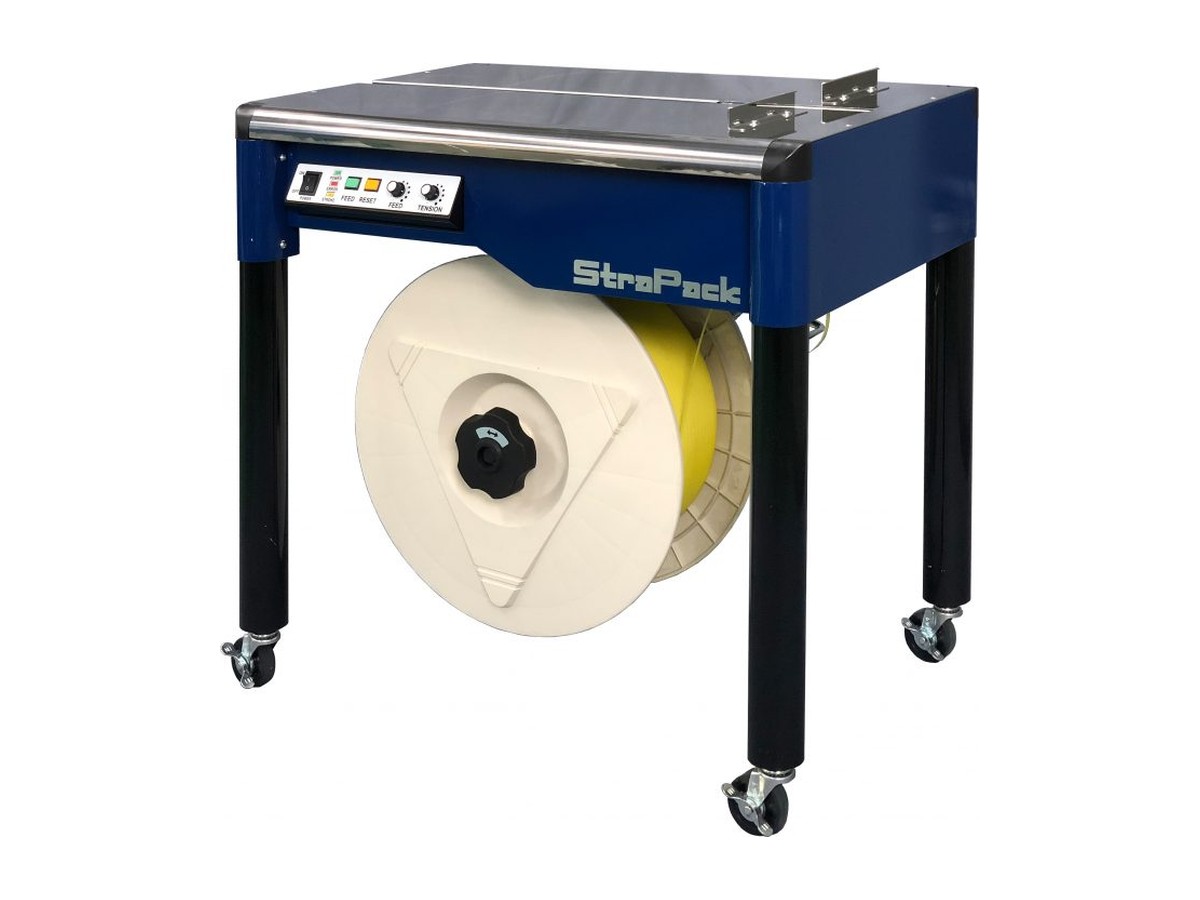
StraPack
Semi-automatic table strapping equipment for cartons, bundles, print products, and general packaging applications.
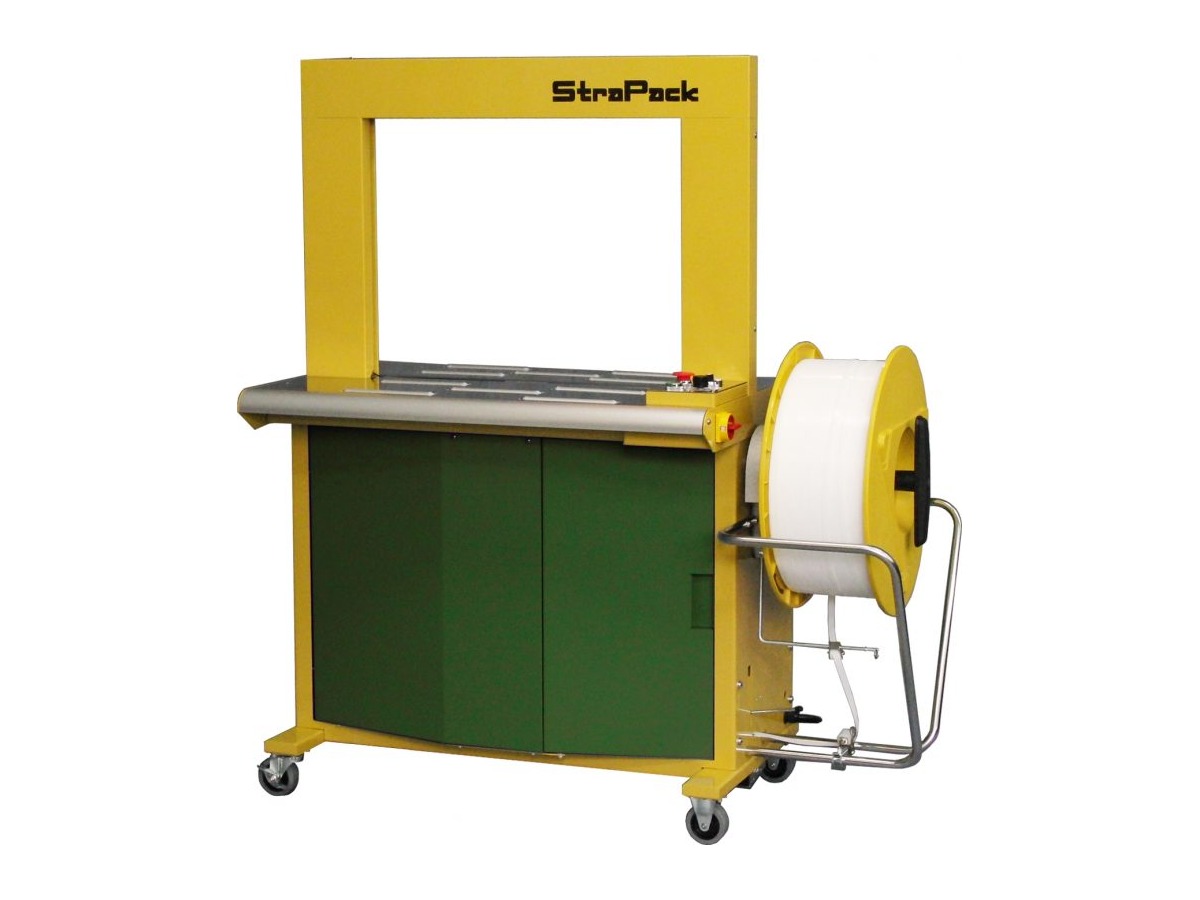
StraPack
Automatic strapping systems for higher-volume production, distribution, manufacturing, and package-handling workflows.
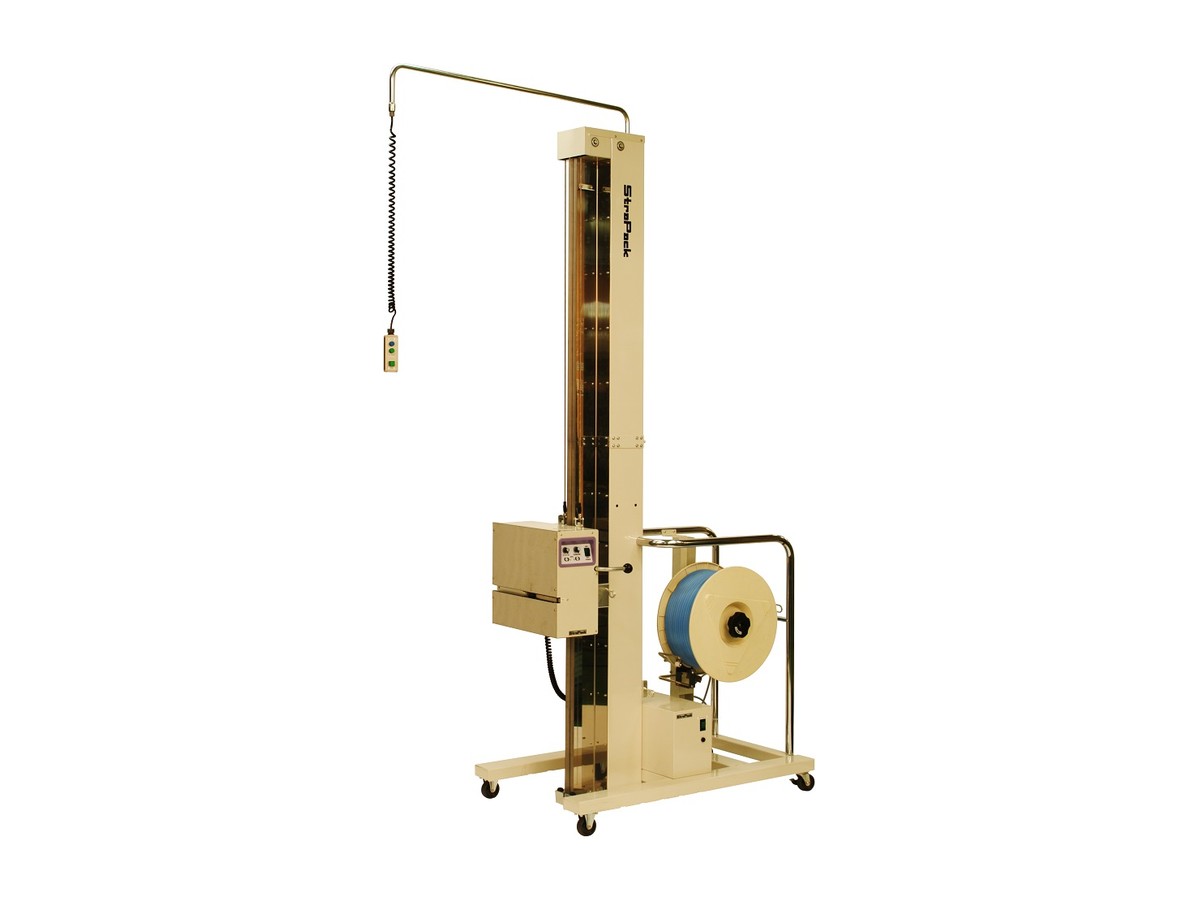
StraPack
Semi-automatic and application-specific equipment for applying strap around pallet loads and larger packages.
Battery and pneumatic tools for tensioning, sealing, and cutting strap where a machine is not practical.
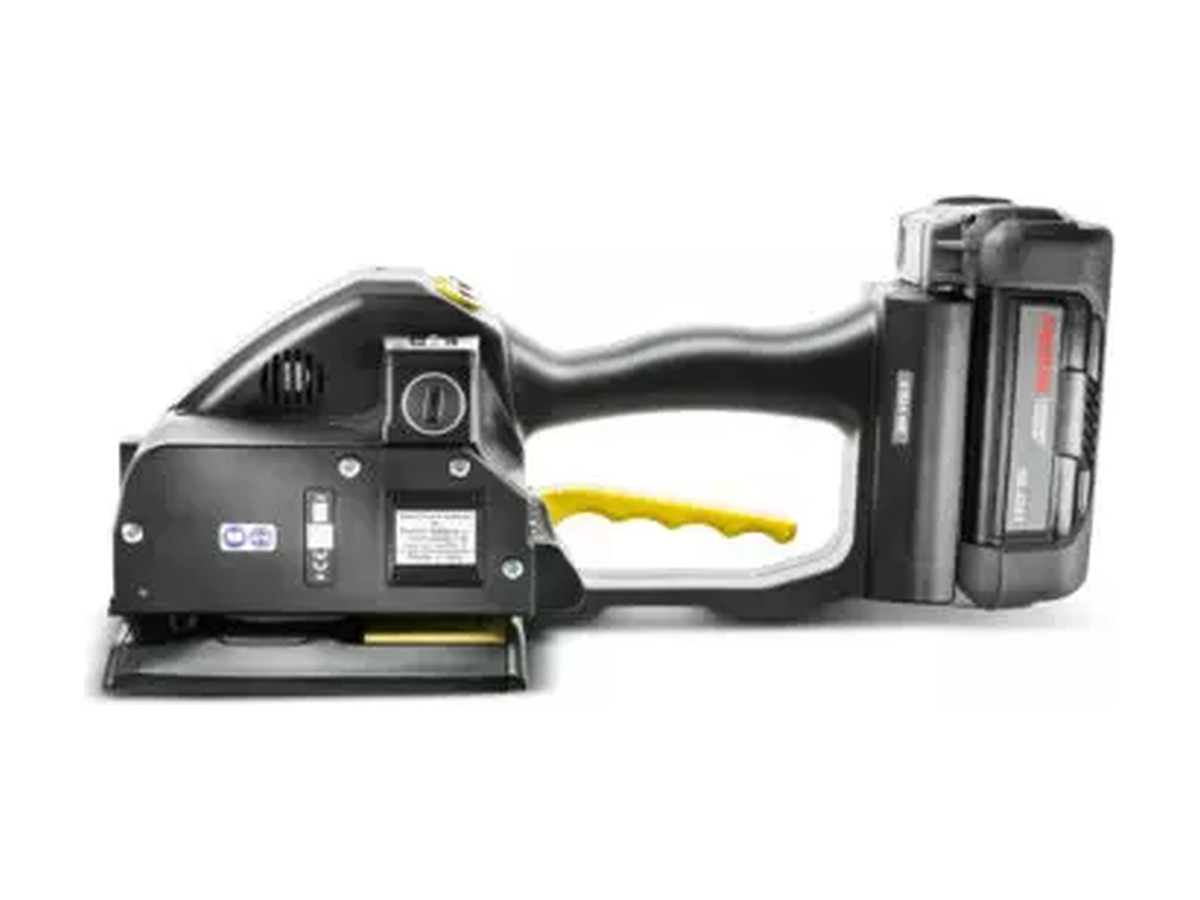
FROMM
Battery-powered hand tools for tensioning, sealing, and cutting polypropylene or polyester strap.
P328, P329, P328S, and P329S tools.
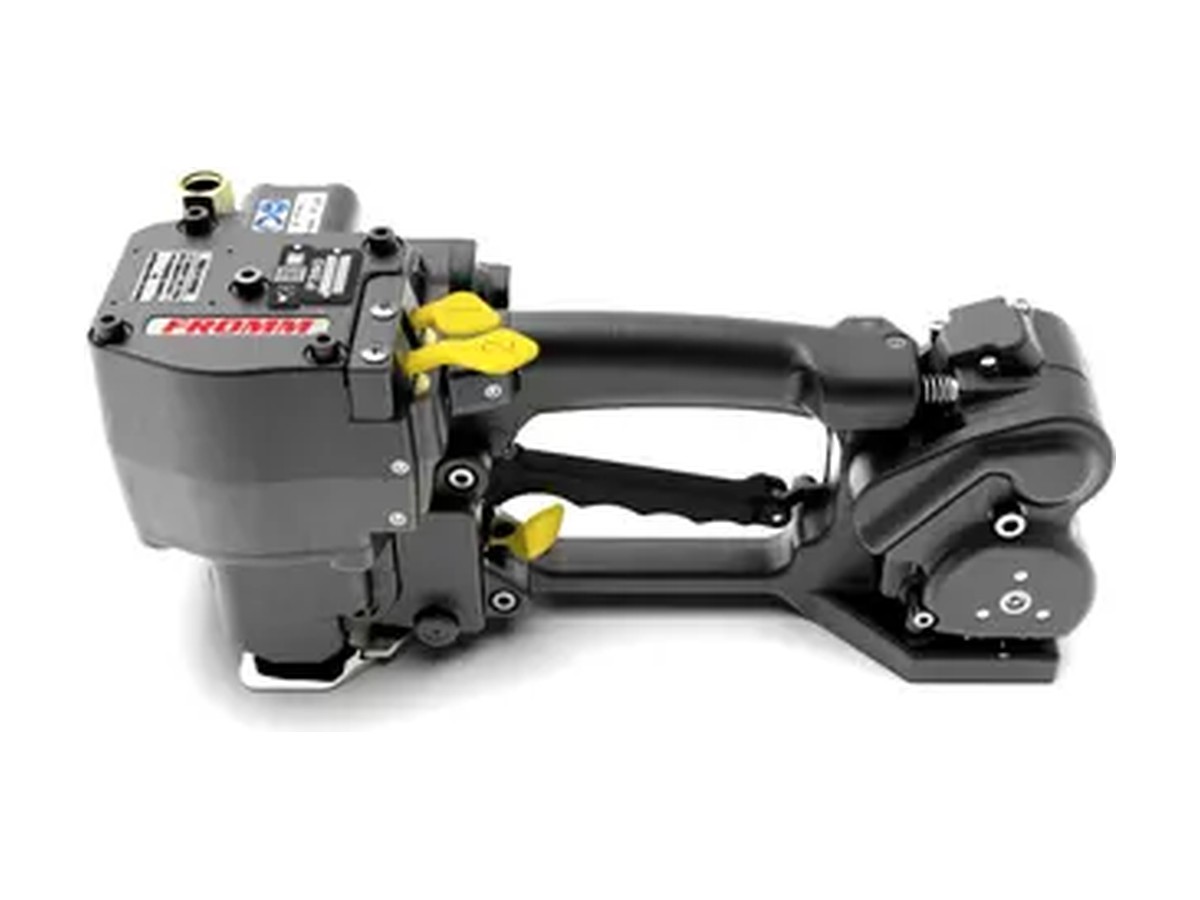
FROMM
Pneumatic hand tools for plastic or steel strapping where production demands, strap type, or load requirements call for powered tools.
Five areas usually decide the equipment before rated throughput is compared.
Confirm whether cases arrive in one size, a small set of sizes, or constantly changing dimensions.
Determine which closure method the package, contents, and downstream handling require.
Review how much containment the package or load needs, and where strap or tape must be positioned.
Evaluate how much operator involvement is available and appropriate at the station.
Consider how packages arrive, how they are spaced, and how they continue toward wrapping, palletizing, and shipping.
Form and load the cases that arrive at the sealing or strapping station.
Explore Case Forming & Packing EquipmentBuild, wrap, stabilize, and document the pallet load after packages are closed.
Explore Pallet Automation & VerificationConvey, accumulate, and route sealed cases toward the shipping dock.
Explore Material Handling & End-of-Line AutomationConnect sealers, strappers, conveyors, coding, labeling, and controls into one workflow.
Explore Integrated SystemsRelated Solution
Explore how forming, filling, packing, protecting, sealing, wrapping, strapping, and palletizing can work together across a complete packaging process.
Connect packaging equipment with conveyors, coding, labeling, inspection, robotics, production data, and line controls.
Explore Integrated SystemsRequest installation, training, preventive maintenance, troubleshooting, and repair support for eligible packaging equipment.
Explore Service & SupportA uniform sealer runs one case size until it is adjusted for another. A random sealer adjusts automatically as different case sizes arrive, which suits mixed-order operations where case dimensions change constantly.
Strapping is used when a package, bundle, or pallet load needs additional containment, when contents must be held together, or when handling and transport place stress on the package that tape or film alone does not address.
Semi-automatic equipment requires an operator to position the package and feed the strap around it. Automatic equipment applies the strap without the operator handling it, and can be integrated with conveyors for continuous production.
Helpful details include case dimensions and whether sizes are uniform or random, the closure method, strap material and pattern, required production rate, operator involvement, and how packages arrive and leave the station.
Share the case sizes, the closure method, and how the station is staffed, and ATP can help identify appropriate sealing or strapping equipment.