Packaging Automation Equipment

Stretch Wrapping & Palletizing Equipment

Build, wrap, stabilize, inspect, and document pallet loads using stretch-wrapping systems, robotic palletizers, and wrap-point verification technology.

The correct approach depends on load dimensions, weight, stability, throughput, film, pallet pattern, available space, documentation requirements, and downstream shipping workflow.

Explore Packaging Automation Solutions

Explore Stretch Wrapping & Palletizing Equipment

Wrapping equipment is grouped separately from palletizing so the wrap method and the pallet-building method can be evaluated on their own terms.

Stretch Wrapping

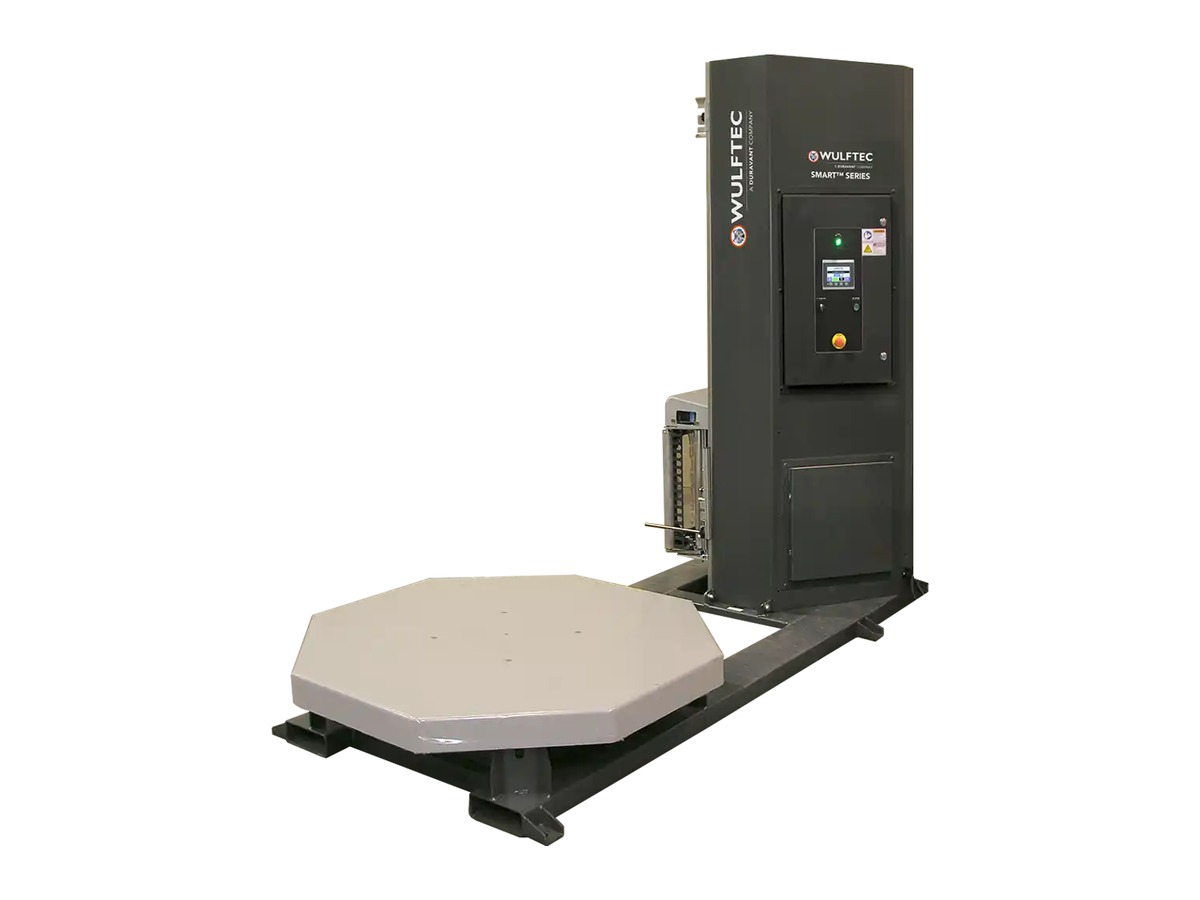
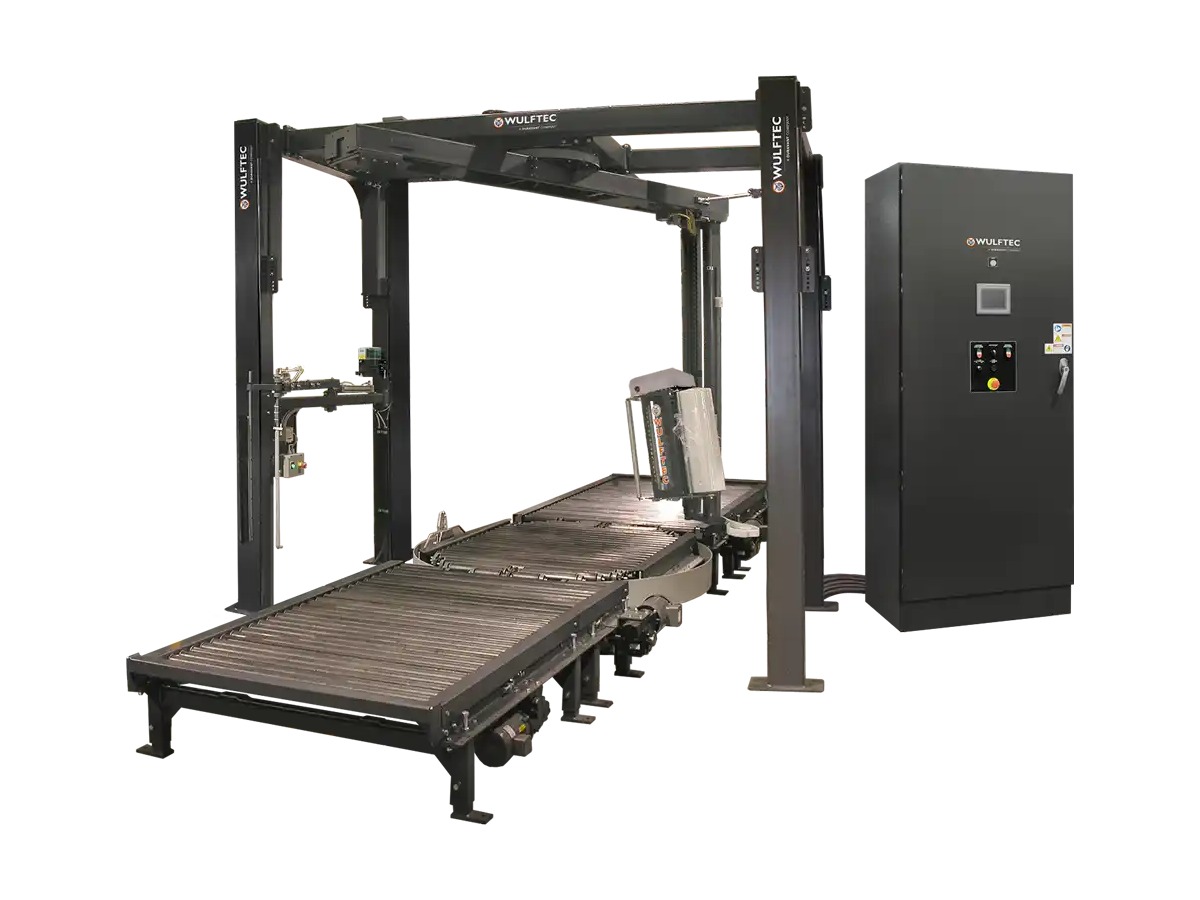
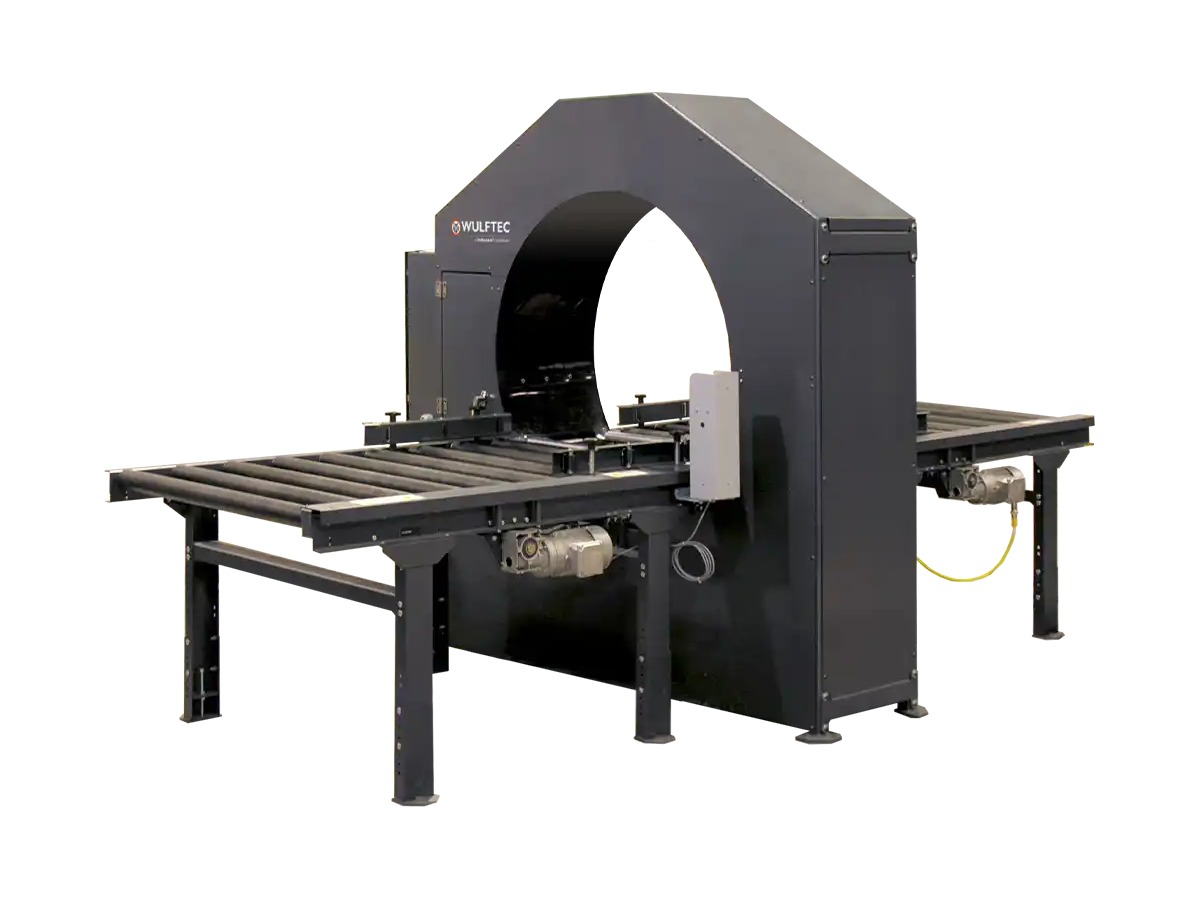
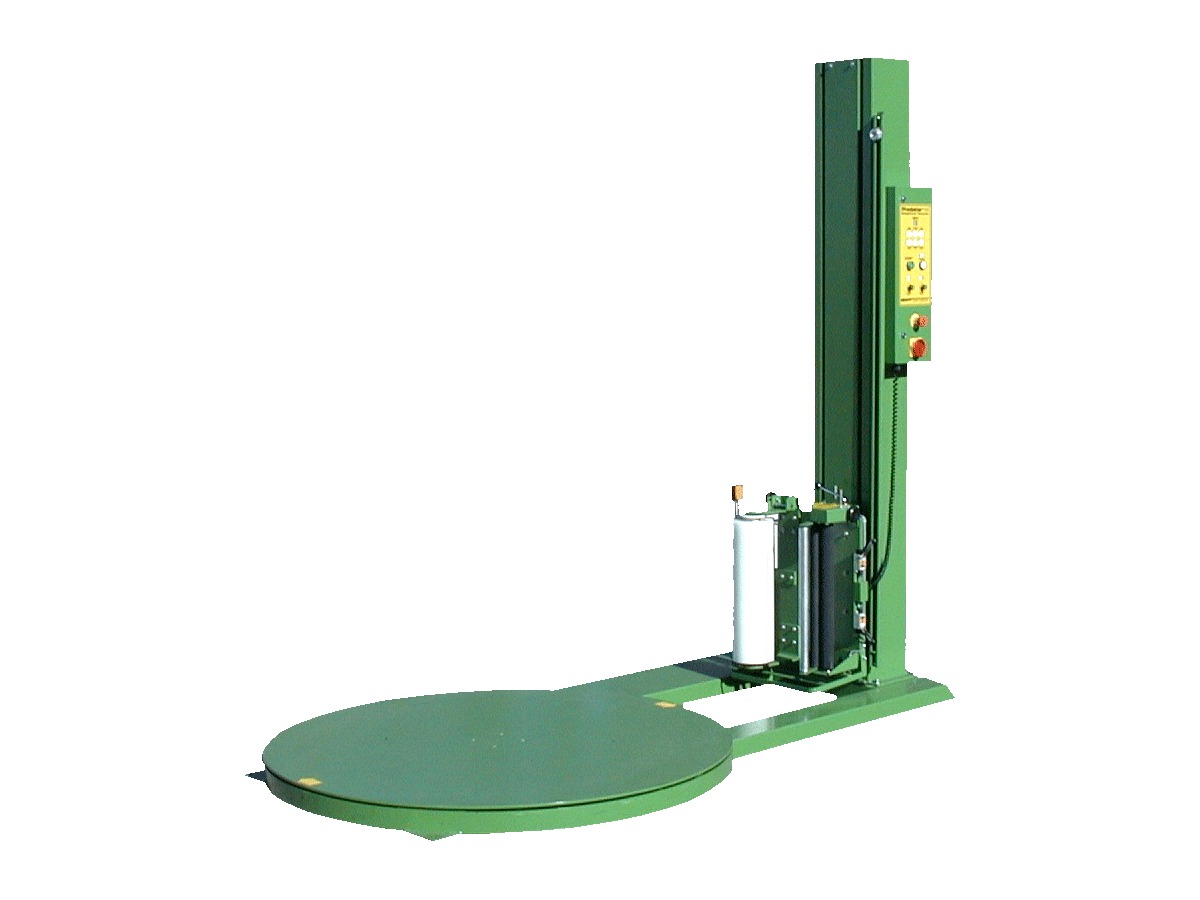
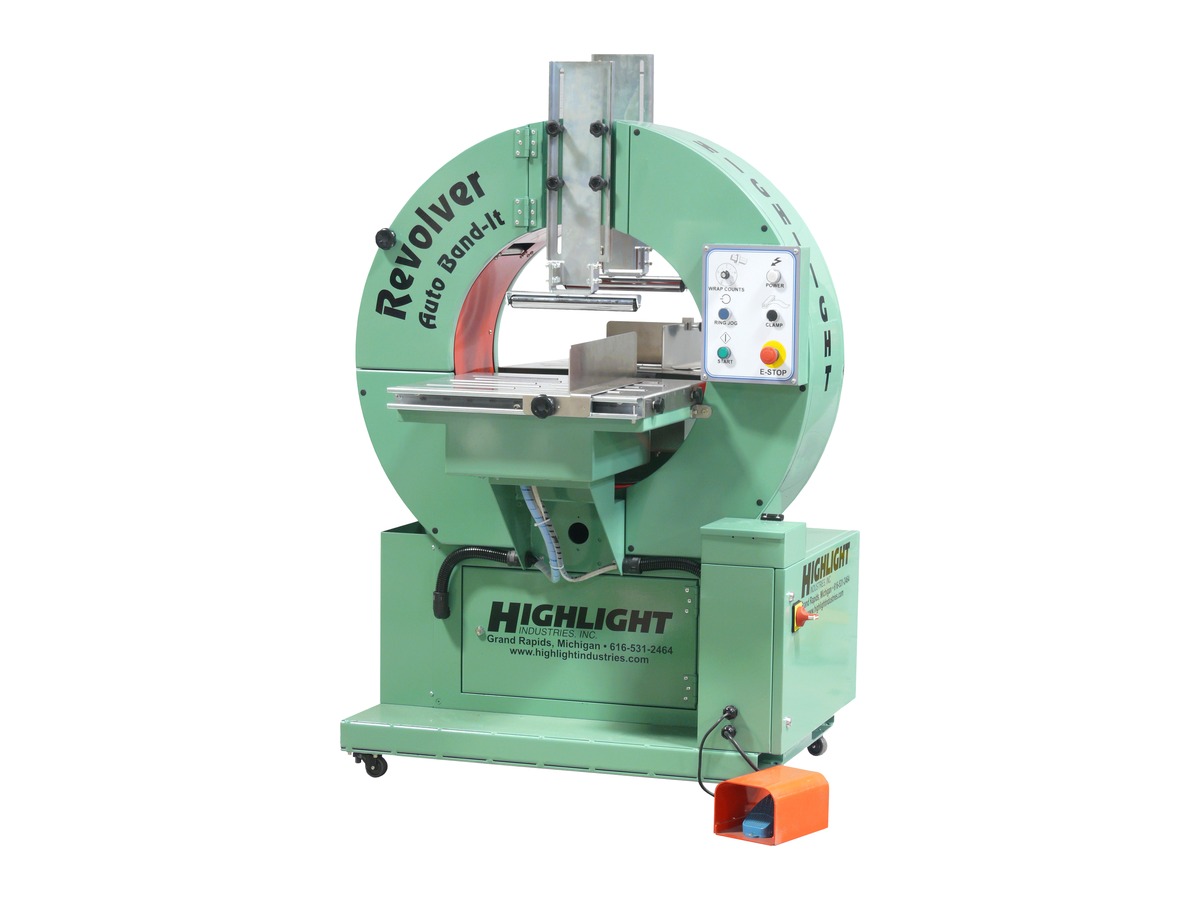
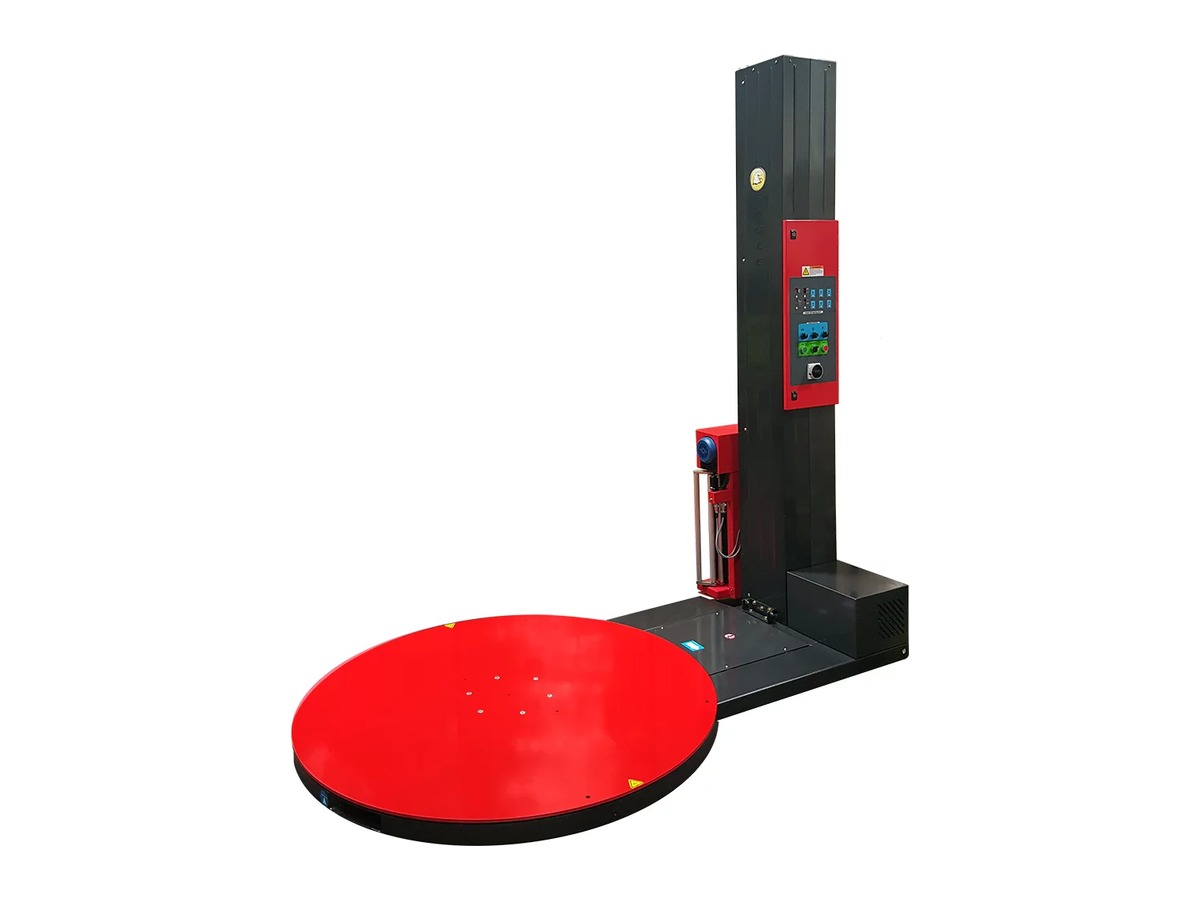
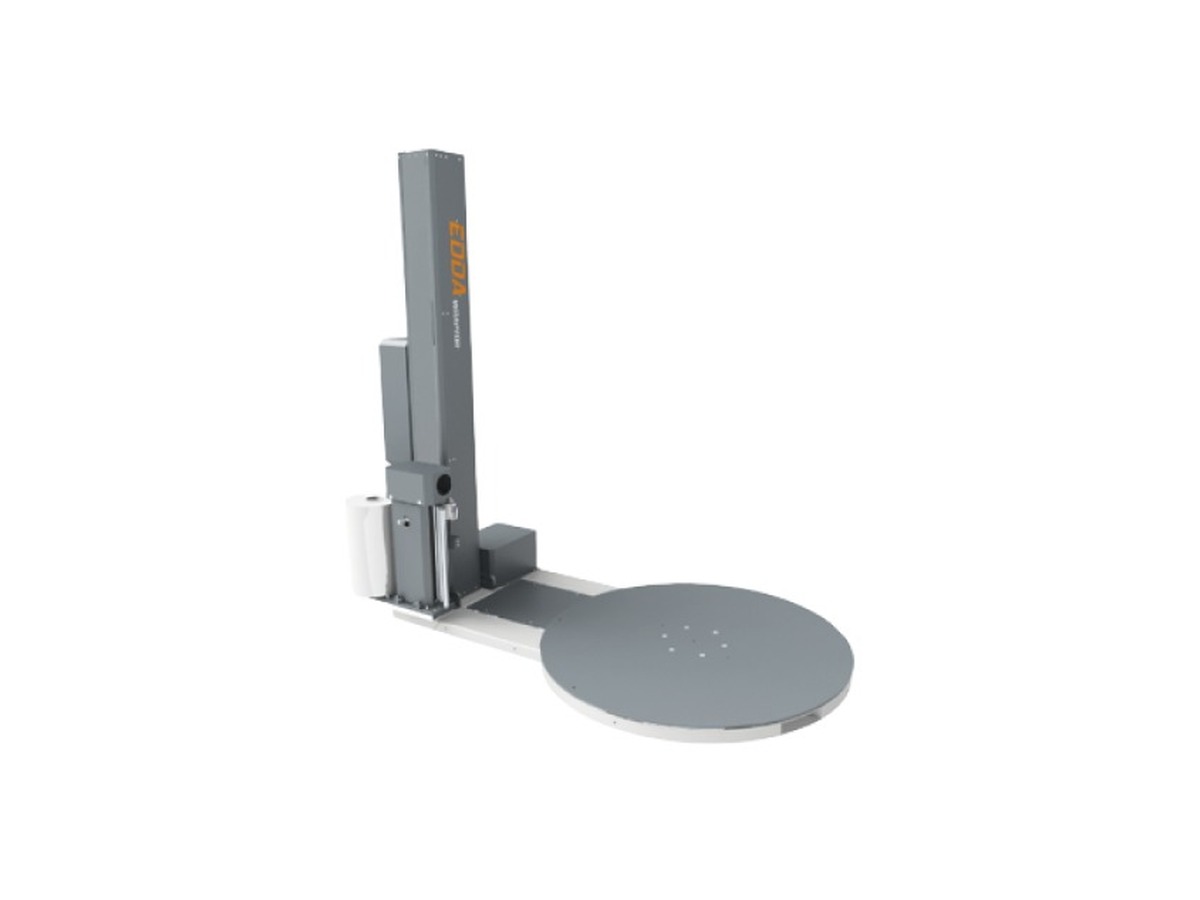
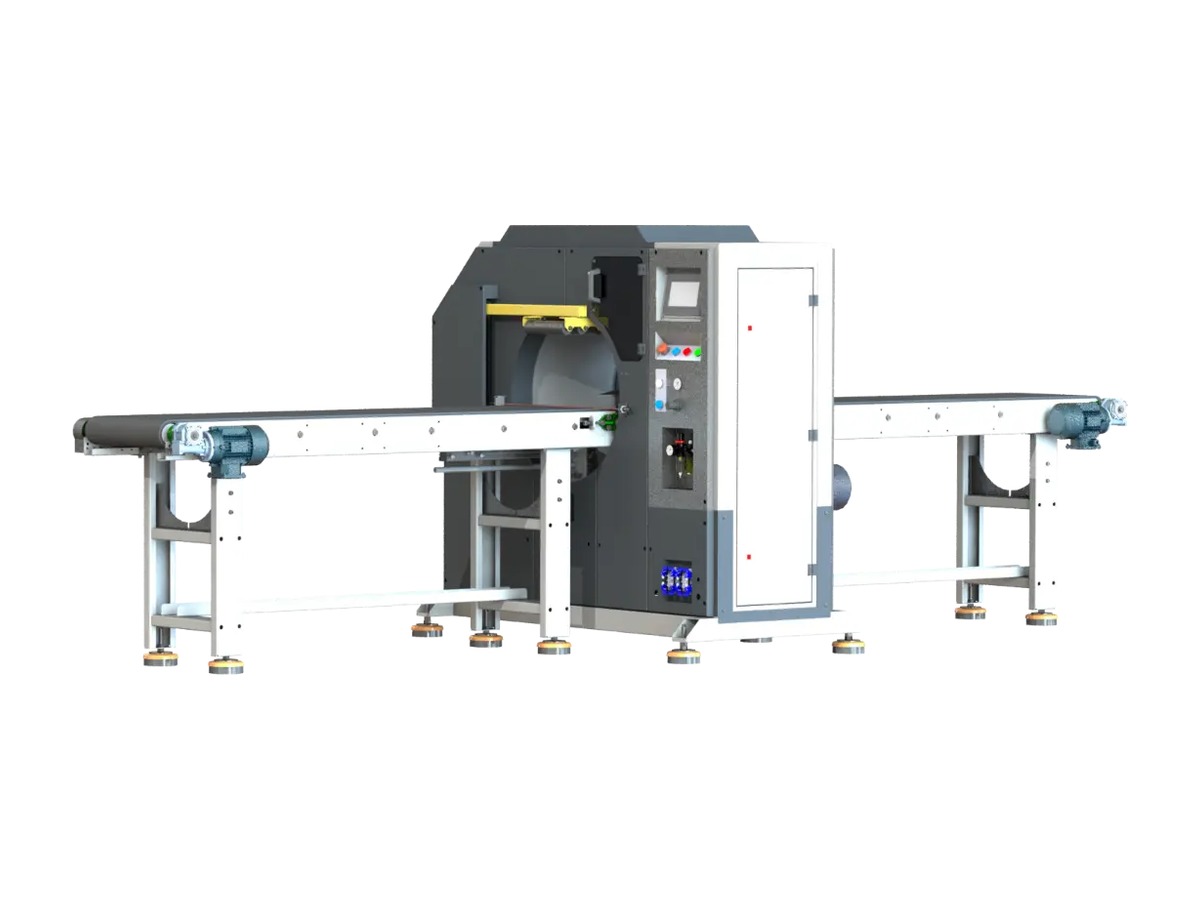
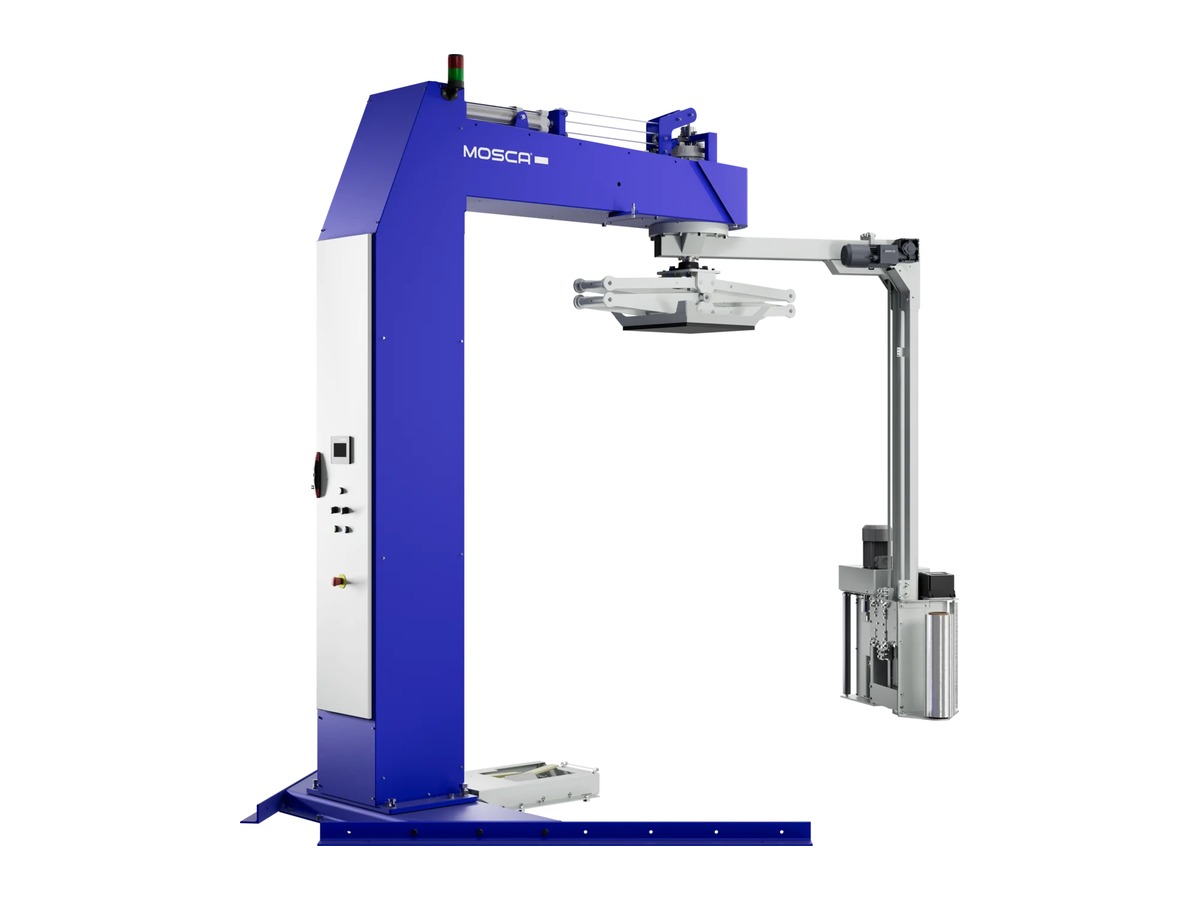
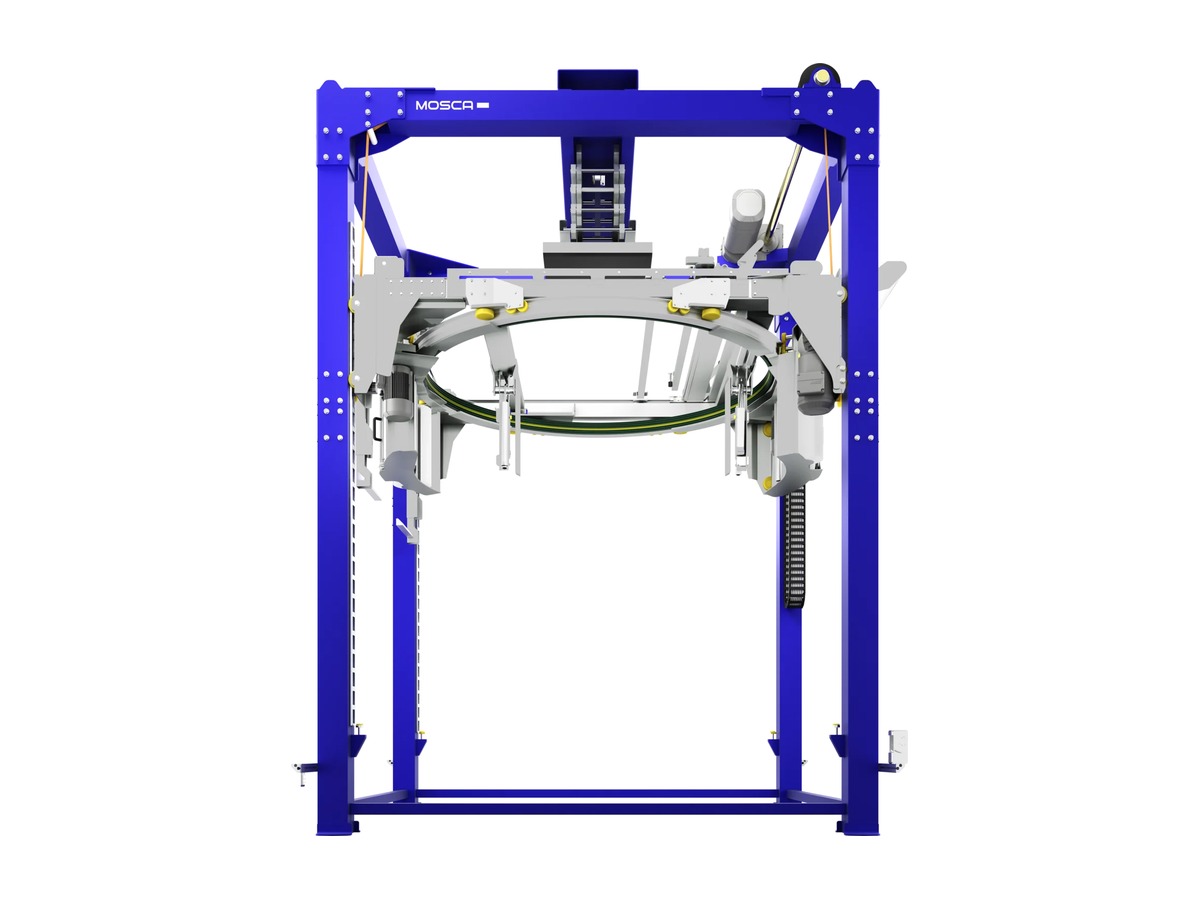
Turntable, rotary-arm, rotary-ring, orbital, and combined wrapping systems for standard, oversized, and long-product loads.

Eagle stretch wrapping system

Eagle Packaging Equipment by Berran Industrial Group

Eagle Stretch Wrapper Family

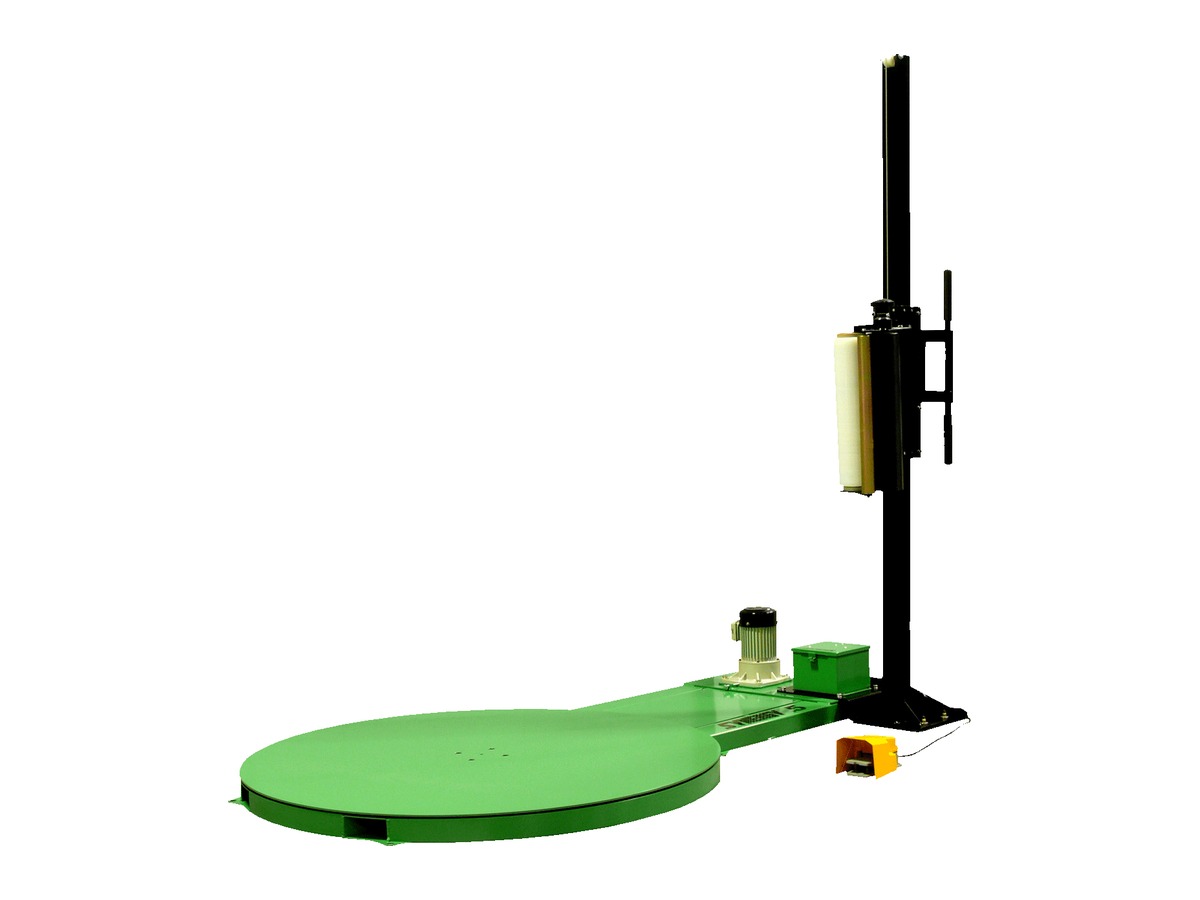
Turntable, rotary-arm, and application-specific stretch wrappers for standard and oversized loads.

Eagle 1000 Series, Eagle 2000 Series, R2B2 Rotary Arm, and related extended-base models.

  • Turntable and rotary-arm models
  • Standard and oversized loads
  • Application-specific options

Robotic Palletizing

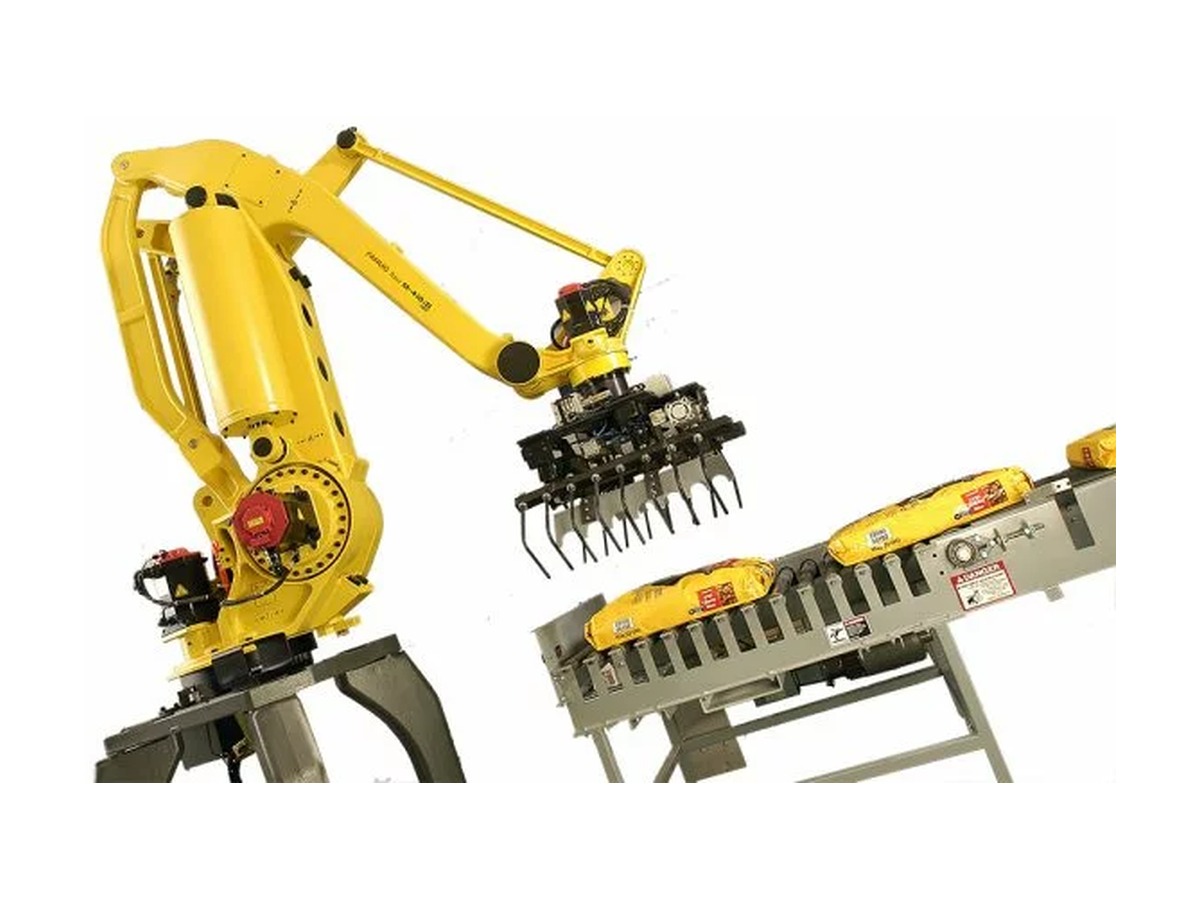
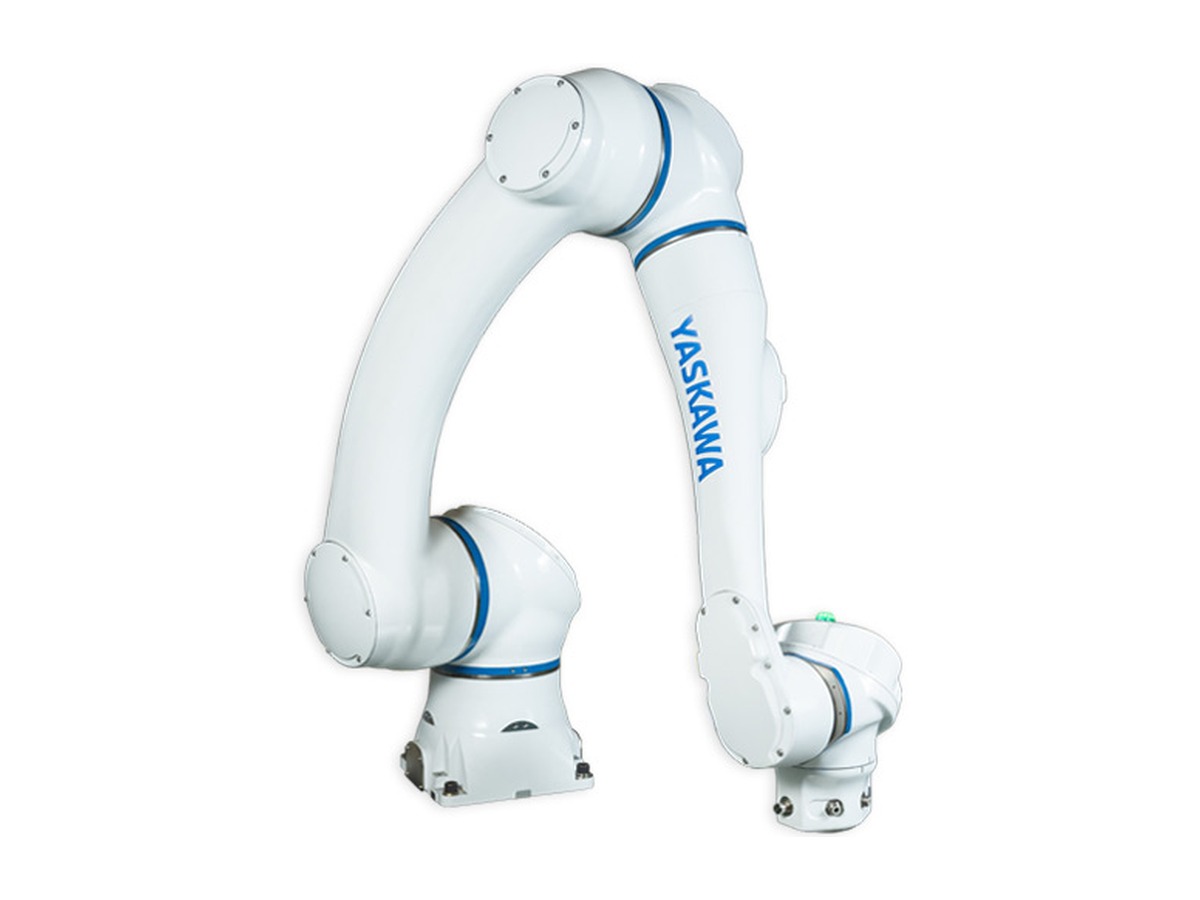
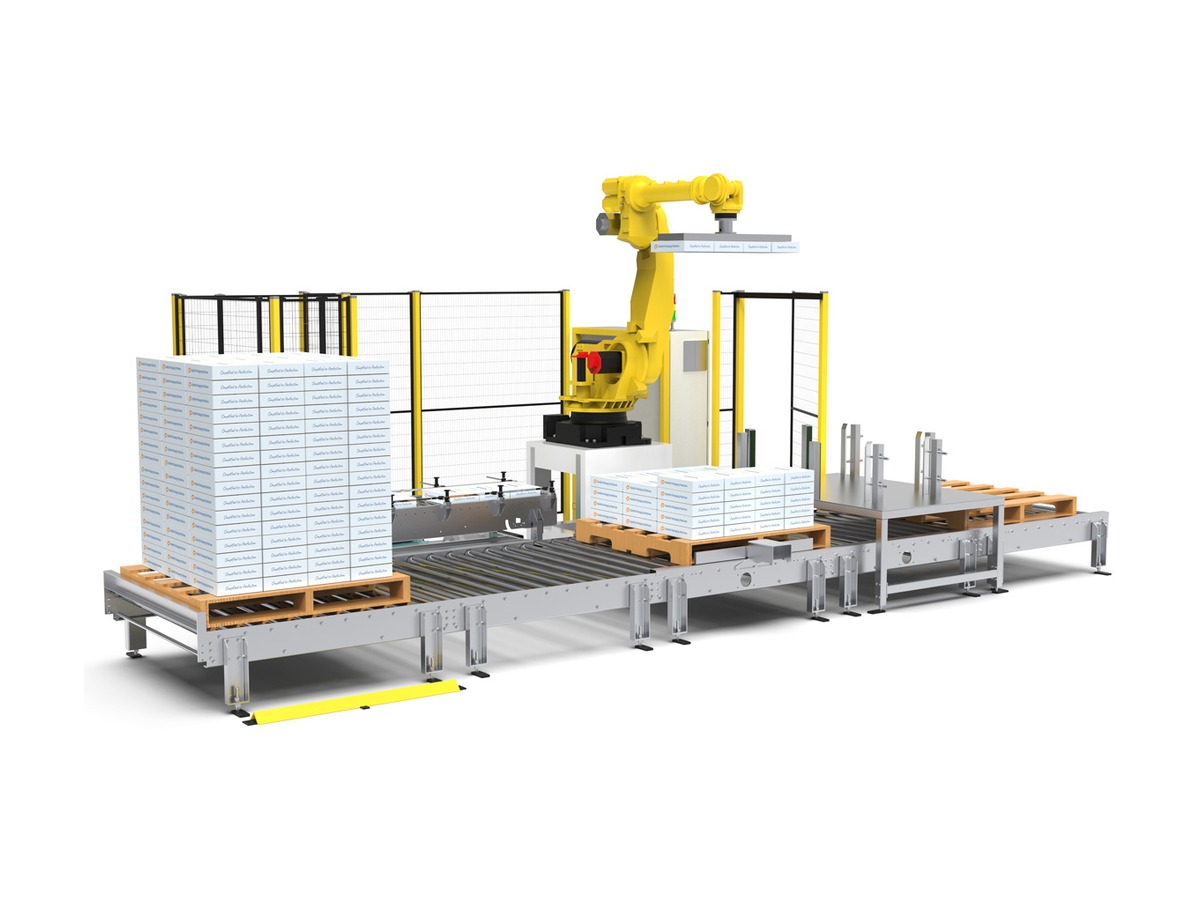
Robotic and collaborative palletizing cells for cases, bags, trays, bundles, and application-specific pallet patterns.

Related Solution

Add Visibility at the Wrap Point

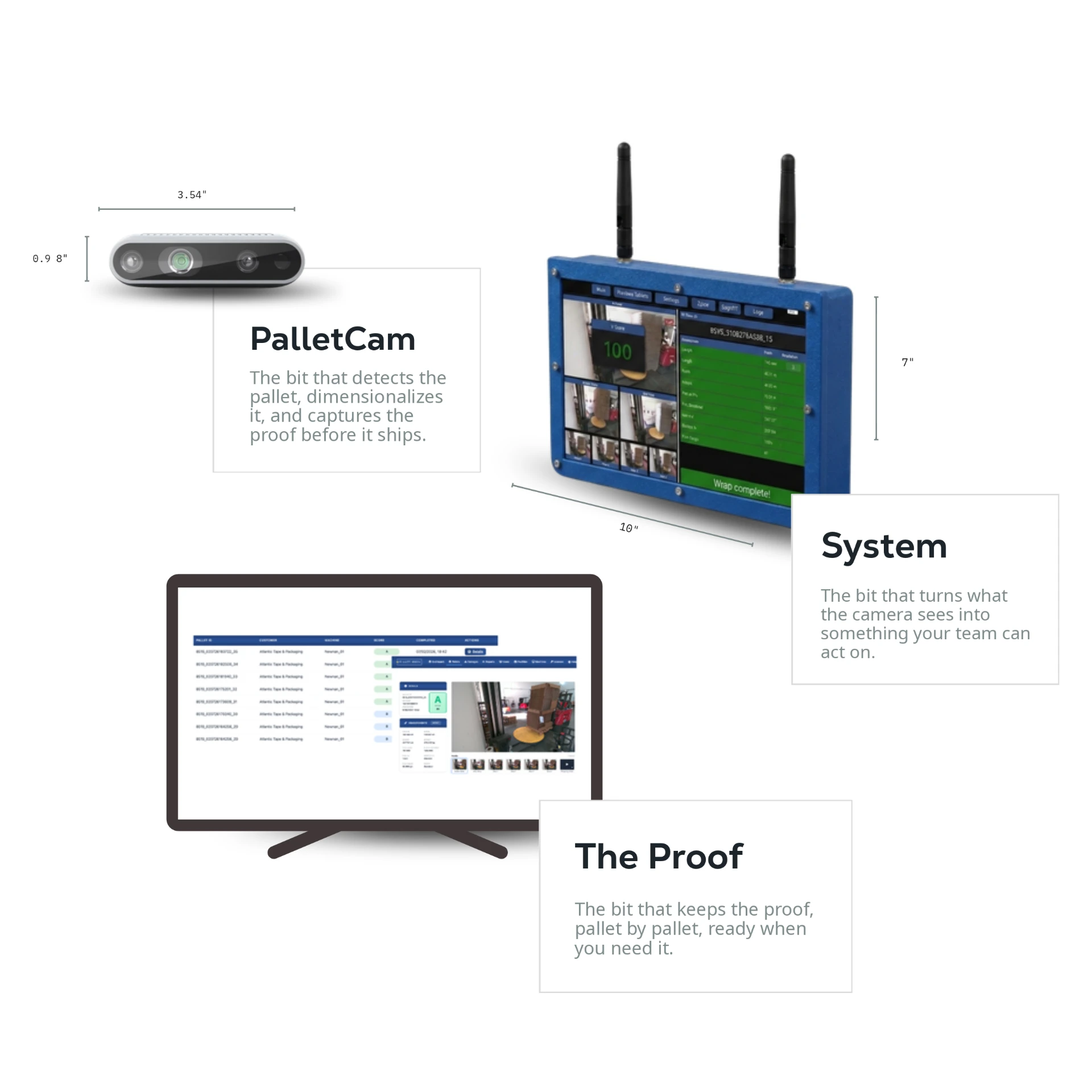
PalletVision adds pallet-condition feedback and time-stamped documentation to an existing stretch-wrapping environment without replacing the wrapper.

  • Pallet images and dimensions
  • Wrap-condition visibility
  • Load Health Score feedback
  • Time-stamped digital records
PalletVision components: PalletCam sensor, wrap-point display system, and pallet proof records dashboard

What Determines the Right Pallet Automation System?

Five areas usually determine the wrapping method and the level of automation.

Load Dimensions, Weight, and Stability

Document pallet size, load height and weight, and how stable the stacked product is before wrapping begins.

Required Throughput

Review how many pallets must be completed each shift today and how that is expected to change.

Turntable, Rotary Arm, Ring, or Orbital Method

Match the wrapping method to load stability, product type, and whether the load or the film carriage should move.

Pallet Pattern and Robotic Handling

Confirm the pack patterns, case or bag variety, and whether robotic handling is appropriate for the products involved.

Documentation, Scanning, and Shipping Data

Determine what must be recorded about the completed load and how those records are used after shipment.

Related Equipment Pathways

Case Sealing, Taping & Strapping

Close and secure cases and loads before and after the pallet is built.

Explore Case Sealing & Strapping

Material Handling & End-of-Line Automation

Move, accumulate, inspect, and route pallets between production and the shipping dock.

Explore Material Handling & End-of-Line Automation

Integrated Systems

Connect wrappers, palletizers, conveyors, labeling, verification, and production data.

Explore Integrated Systems

Service & Support

Request installation, training, preventive maintenance, and repair support for eligible packaging equipment.

Explore Service & Support

Related Solution

Packaging Automation Solutions

Explore how forming, filling, packing, protecting, sealing, wrapping, strapping, and palletizing can work together across a complete packaging process.

Integrated Systems

Connect packaging equipment with conveyors, coding, labeling, inspection, robotics, production data, and line controls.

Explore Integrated Systems

Service & Support

Request installation, training, preventive maintenance, troubleshooting, and repair support for eligible packaging equipment.

Explore Service & Support

Frequently Asked Questions

What is the difference between turntable and rotary-arm stretch wrapping?

A turntable rotates the pallet load while film is applied. A rotary arm keeps the load stationary and moves the film carriage around it, which suits unstable, very light, or very heavy loads and generally supports higher throughput.

When is robotic palletizing appropriate?

Robotic palletizing is usually considered when pallet building is manual and repetitive, when pallet patterns vary, when case weights create ergonomic concerns, or when throughput must increase without adding labor to the end of the line.

Can strapping and stretch wrapping be combined?

Combined systems exist that apply vertical strapping and stretch film to the same load. Whether that is appropriate depends on load stability, product type, required containment, and the space available at the end of the line.

Can pallet documentation be added to an existing wrapping process?

In many applications a wrap-point verification system such as PalletVision can be added alongside the existing wrapper. Compatibility depends on the wrapper, pallet flow, installation space, and facility conditions.

Complete and Document the Load

Share the load, the throughput, and the records the operation needs, and ATP can help identify appropriate wrapping, palletizing, or verification equipment.

  • Pallet and load dimensions
  • Load weight and stability
  • Pallets per shift
  • Preferred wrapping method
  • Film currently used
  • Pallet pattern and case variety
  • Available floor space
  • Documentation requirements
  • Photographs, video, or samples