Labeling & Print-and-Apply Equipment

Case, Carton & Pallet Labeling Systems

Apply preprinted or variable labels to cartons, corrugated cases, shipping containers, and pallet loads throughout packaging, fulfillment, warehousing, and distribution workflows.

Available configurations may include top, side, bottom, corner, multi-panel, and extended-reach label application.

Explore Labeling & Print-and-Apply Solutions

Explore Case, Carton & Pallet Labeling Systems

Pineberry-integrated systems cover carton, case, bag, shipping, and pallet-load applications.

Pineberry Case, Carton & Pallet Labeling

Each configuration is built around the package, the required label panel, and the surrounding conveyor or end-of-line equipment.

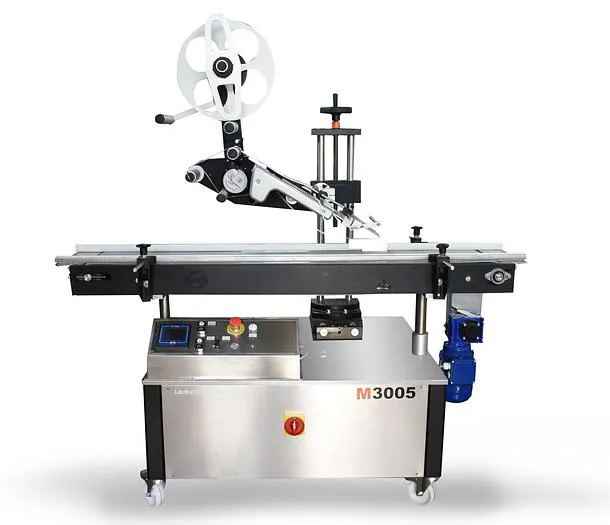
Pineberry M3005 conveyorized labeling system for cases, bags and shipping packages

Pineberry

Case, Bag & Shipping Labeling Configurations

Custom Pineberry-integrated labeling systems for cases, bags, pouches, envelopes, shipping packages, and other secondary-packaging applications.

  • Multiple package formats
  • Top, side, or bottom application
  • Custom product handling

Representative Pineberry configuration shown. Final equipment is configured around the package format, label placement, production speed, and surrounding workflow.

Kirk-Rudy — also relevant here

KR555 LabelMaster

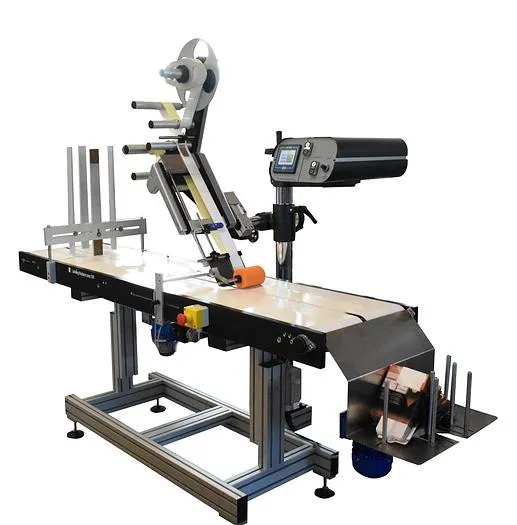
The KR555 may support preprinted-label application to compatible flat cartons, packages, and other products transported across the Kirk-Rudy production base.

View Under Modular Labeling Systems

What Determines the Right Case or Pallet Labeler?

Five areas usually settle the configuration for end-of-line labeling.

Package or Load Dimensions

Record case, carton, or pallet dimensions and weight, along with how much the size varies between products and orders.

Preprinted or Variable Label Data

Determine whether the same label repeats across the run or whether order, shipping, and barcode content changes for each load.

Required Label Panel or Position

Confirm which panels must be labeled, how accurately the label must be placed, and whether corner or multi-panel application is required.

Conveyor Speed and Load Presentation

Review line speed, spacing, and how squarely and consistently cases or pallets arrive at the labeling position.

Scanning, Verification, and Warehouse Data

Consider whether labels must be scanned or verified after application and how the result is recorded in warehouse or shipping systems.

Related Equipment Pathways

Print-and-Apply Labeling Systems

Review print-and-apply configurations when case and pallet labels carry changing order or shipping data.

Explore Print-and-Apply Labeling Systems

Material Handling & Conveyor Equipment

Address conveyors, accumulation, alignment, and load presentation around the labeling station.

Explore Material Handling & Conveyor Equipment

Packaging Automation Equipment

Explore case packing, sealing, strapping, wrapping, and palletizing equipment ahead of the labeling position.

Explore Packaging Automation Equipment

Integrated Systems

Coordinate labelers, conveyors, scanners, cameras, production data, and controls across the end of the line.

Explore Integrated Systems

Related Solution

Labeling & Print-and-Apply Solutions

Explore how products, labels, application methods, variable data, line speed, inspection, and downstream processes determine the appropriate labeling approach.

Integrated Systems

Connect label applicators, print engines, feeders, conveyors, scanners, cameras, production data, verification, and line controls into a coordinated workflow.

Explore Integrated Systems

Service & Support

Request installation, training, preventive maintenance, troubleshooting, and repair support for eligible labeling equipment.

Explore Service & Support

Frequently Asked Questions

What labels can be applied to cases and pallets?

Common formats include product identification, case content, barcode, routing, inventory, and shipping labels. The practical limits come from the label size, the panel it must land on, the surface condition of the corrugated or wrapped load, and the required placement accuracy.

What is the difference between preprinted and print-and-apply labeling?

A preprinted label is produced in advance and loaded onto the applicator, which suits fixed content. A print-and-apply system generates changing information at the moment of application, which suits order, shipping, and lot data that differs from case to case.

Can a system apply labels to multiple case or pallet panels?

Multi-panel application is possible in many configurations, though it affects the applicator type, the number of stations, the load presentation, and the cycle time available. Each additional panel usually requires either additional reach or additional equipment.

What information does ATP need to recommend a system?

Helpful details include case or pallet dimensions and weight, the label size and content, the required panels and placement, conveyor speed, how squarely loads present themselves, and any scanning, verification, or warehouse-data requirements.
Improve Case and Pallet Labeling

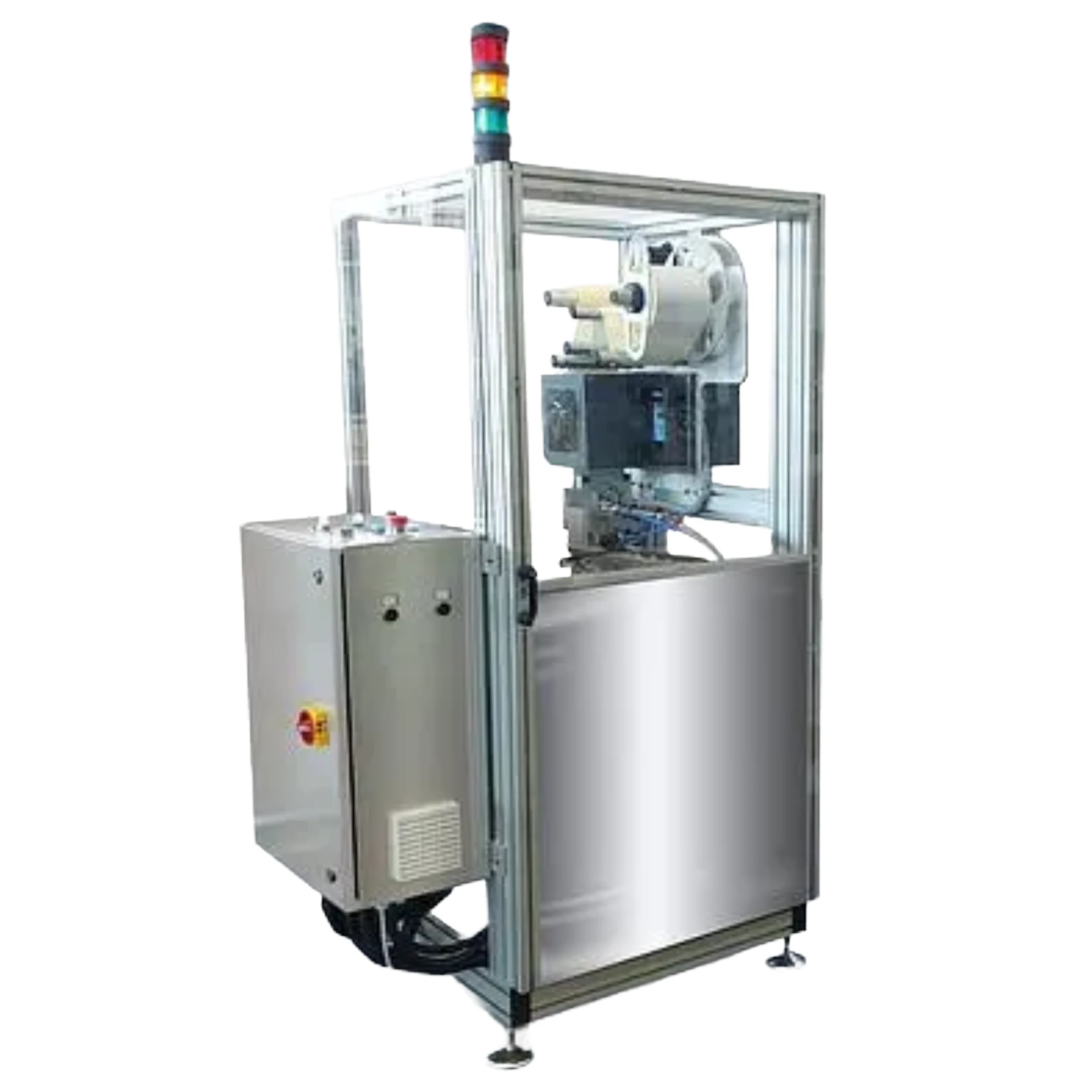
Share the load, the label, and the end-of-line layout, and ATP can help determine whether a preprinted applicator or a print-and-apply station is the better fit.

  • What needs to be labeled
  • Product or package dimensions
  • Product shape and surface
  • Label size and construction
  • Required label placement
  • Production speed
  • Preprinted or variable data
  • Existing equipment
  • Verification requirements
  • Photographs, video, or samples