Labeling & Print-and-Apply Equipment

Product & Container Labeling Systems

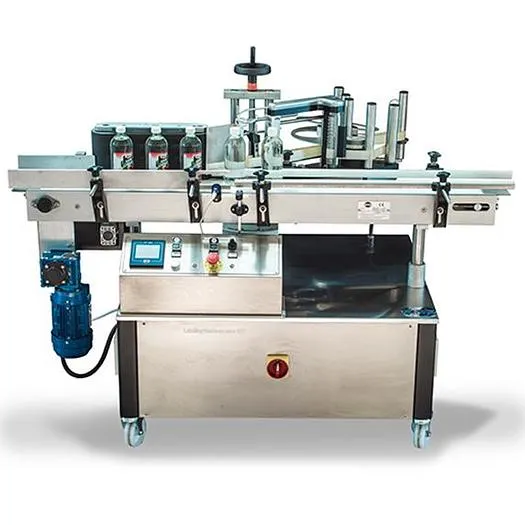
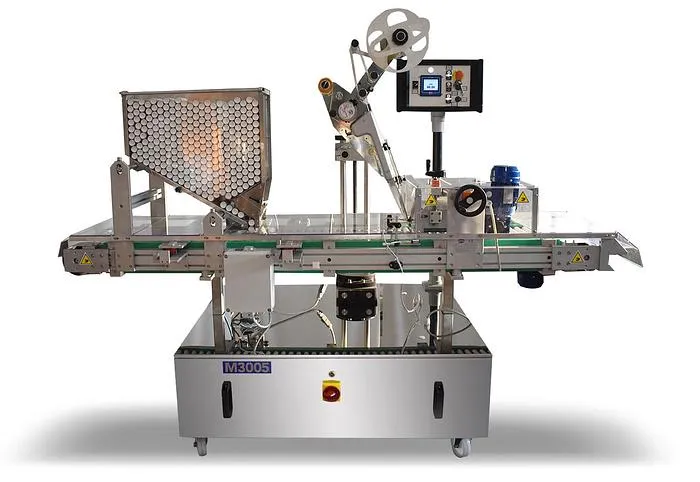
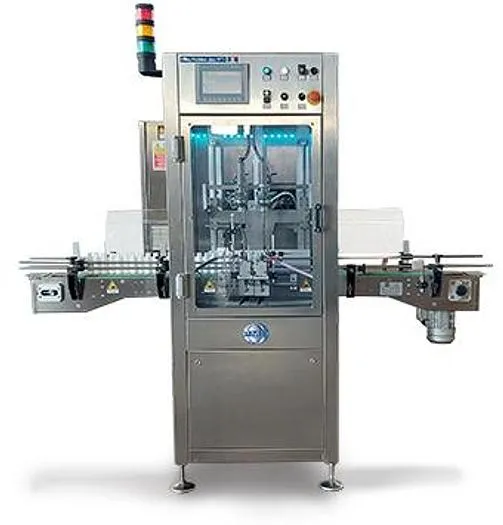
Apply labels to bottles, vials, jars, containers, tubs, pouches, and other packaged products using semi-automatic and automatic systems selected around product shape, label placement, production volume, and changeover requirements.

Pineberry labeling systems support round-container, top-application, wraparound, small-vial, and application-specific product-labeling workflows.

Explore Labeling & Print-and-Apply Solutions

Explore Product & Container Labeling Systems

These Pineberry systems cover semi-automatic round-container labeling through automatic top, wraparound, and small-container application.

Pineberry Product & Container Labeling

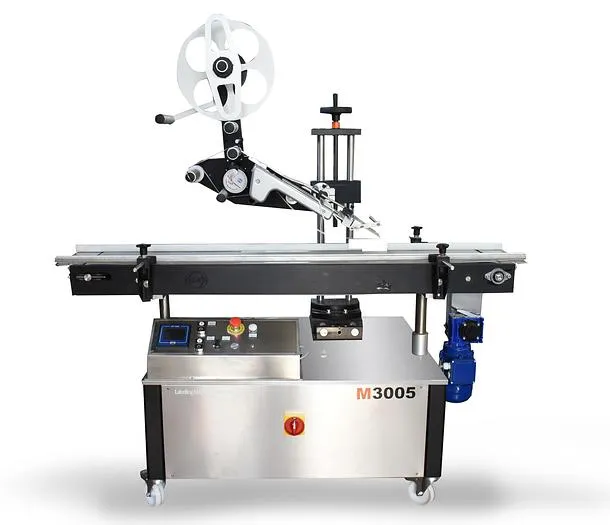
Pineberry-integrated systems combine label applicators with the conveyors, product handling, and controls required by the container.

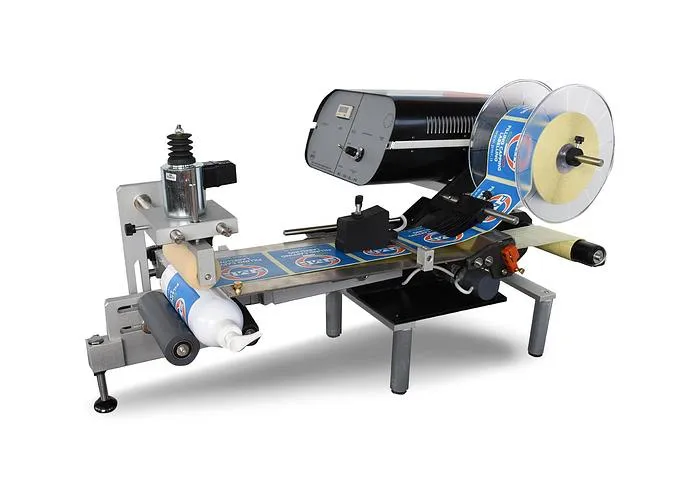
Pineberry specialty labeling system applying labels to an irregular container

Pineberry

Specialty Product Labeling Systems

Application-specific Pineberry-integrated labeling systems for bags, pouches, drums, buckets, conical containers, jars, seals, and other specialized product formats.

Representative applications: bags and pouches, drums and buckets, body and seal labels, wraparound and neck labels, conical and irregular containers.

  • Application-specific configurations
  • Irregular and conical containers
  • Seal, neck, and body label placement

What Determines the Right Product Labeler?

Five areas usually narrow the field before machine comparisons begin.

Product Shape and Dimensions

Record the container diameter, height, taper, weight, and surface. Round, oval, conical, and flexible products each require different handling through the labeling position.

Label Size and Placement

Confirm the label dimensions, material, adhesive, and whether it is applied to the top, side, body, neck, seal, or fully around the container.

Semi-Automatic or Automatic Operation

Compare production volume against available labor. Operator-loaded machines suit lower volumes and frequent product changes, while conveyorized systems suit continuous runs.

Production Speed and Product Spacing

Review the required throughput, how products arrive, and whether spacing is consistent. Inconsistent presentation affects label placement more than raw speed does.

Changeovers and Existing Equipment

Consider how often products change, who performs the changeover, and how the labeler must connect with filling, capping, coding, inspection, or packing equipment already in place.
Related Equipment Pathways

Print-and-Apply Labeling Systems

Consider print-and-apply when the label must carry changing product, order, barcode, or shipping information.

Explore Print-and-Apply Labeling Systems

Modular Label Applicators & Flat-Product Systems

Review modular label heads and transport-based systems when the item is flat rather than a rigid container.

Explore Modular Labeling Systems

Packaging Automation Equipment

Address filling, capping, sealing, cartoning, and other packaging steps surrounding the labeling station.

Explore Packaging Automation Equipment

Integrated Systems

Coordinate labelers, conveyors, sensors, cameras, production data, and controls into one connected line.

Explore Integrated Systems

Related Solution

Labeling & Print-and-Apply Solutions

Explore how products, labels, application methods, variable data, line speed, inspection, and downstream processes determine the appropriate labeling approach.

Integrated Systems

Connect label applicators, print engines, feeders, conveyors, scanners, cameras, production data, verification, and line controls into a coordinated workflow.

Explore Integrated Systems

Service & Support

Request installation, training, preventive maintenance, troubleshooting, and repair support for eligible labeling equipment.

Explore Service & Support

Frequently Asked Questions

What products can an automatic labeling system handle?

Automatic systems are configured around a defined range of products, so the practical answer depends on the machine. Bottles, jars, vials, tubs, containers, pouches, and other packaged goods can often be labeled automatically when the item is stable, presents consistently, and can be moved through the labeling position without damage.

What is the difference between semi-automatic and automatic labeling?

With a semi-automatic machine, an operator loads and removes each product while the machine performs the label application. An automatic system moves products through the labeling station on a conveyor, which suits higher volumes and continuous production but requires more space and consistent product presentation.

What is wraparound labeling?

Wraparound labeling rotates a cylindrical product so a single label is applied around its circumference. It is commonly used on bottles, jars, cans, and vials where the label covers most or all of the container body.

What information does ATP need to recommend a product labeler?

Helpful details include product dimensions and shape, container material and surface, label size and construction, the required label placement, production volume, how products arrive at the labeling position, planned changeovers, and photographs, video, or samples.

Find the Right Product Labeling System

Share the product, the label, and how the item moves through production, and ATP can help identify a suitable semi-automatic or automatic configuration.

  • What needs to be labeled
  • Product or package dimensions
  • Product shape and surface
  • Label size and construction
  • Required label placement
  • Production speed
  • Preprinted or variable data
  • Existing equipment
  • Verification requirements
  • Photographs, video, or samples