Material Handling & Conveyor Equipment

Product Handling, Collation & Stacking Systems

Denest, pick, place, collate, count, batch, stack, and collect products before printing, packaging, mailing, or downstream handling.

Equipment can be configured around flat products, trays, cartons, cards, printed materials, pouches, components, and other repeatable production items.

Explore Material Handling & End-of-Line Automation Solutions

Explore Product Handling, Collation & Stacking Systems

Equipment is grouped by the handling task performed so separation, grouping, and collection can be evaluated independently.

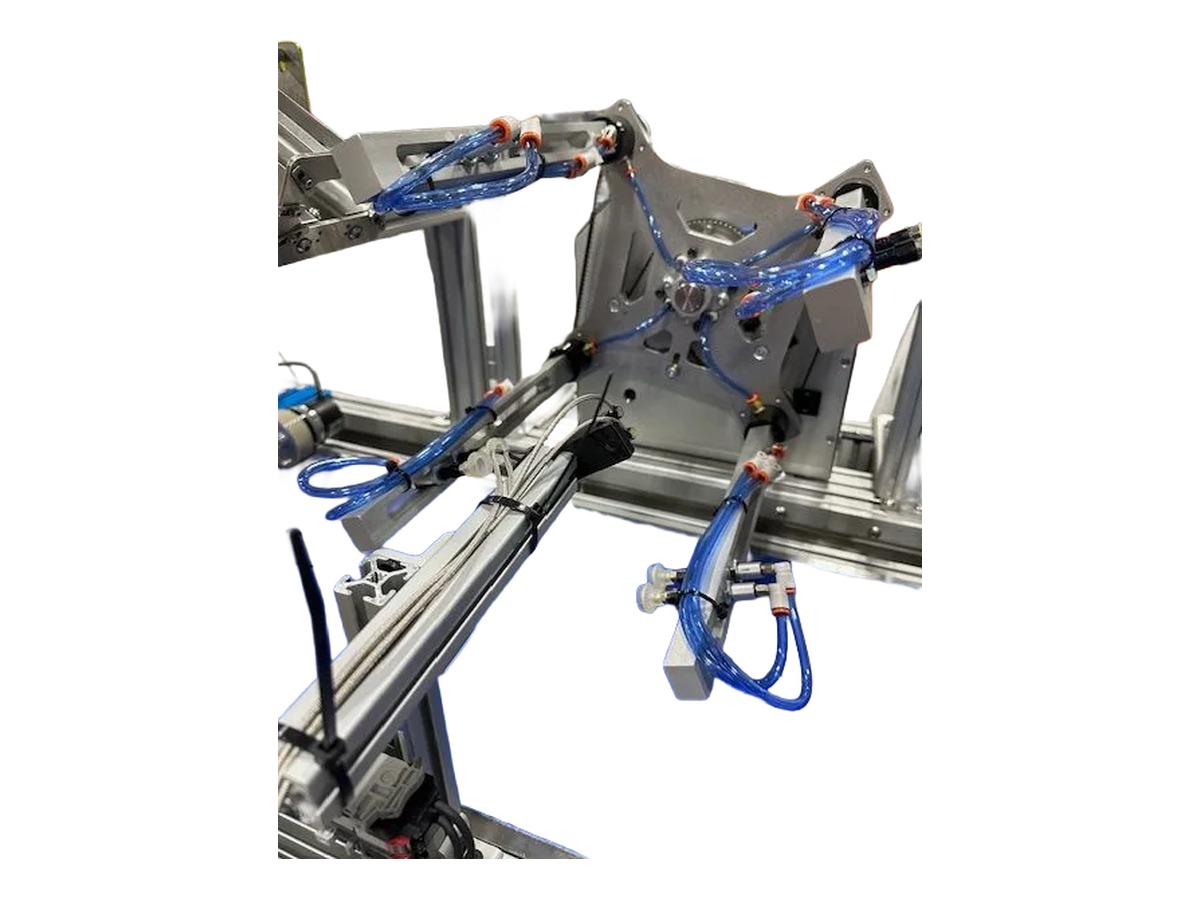
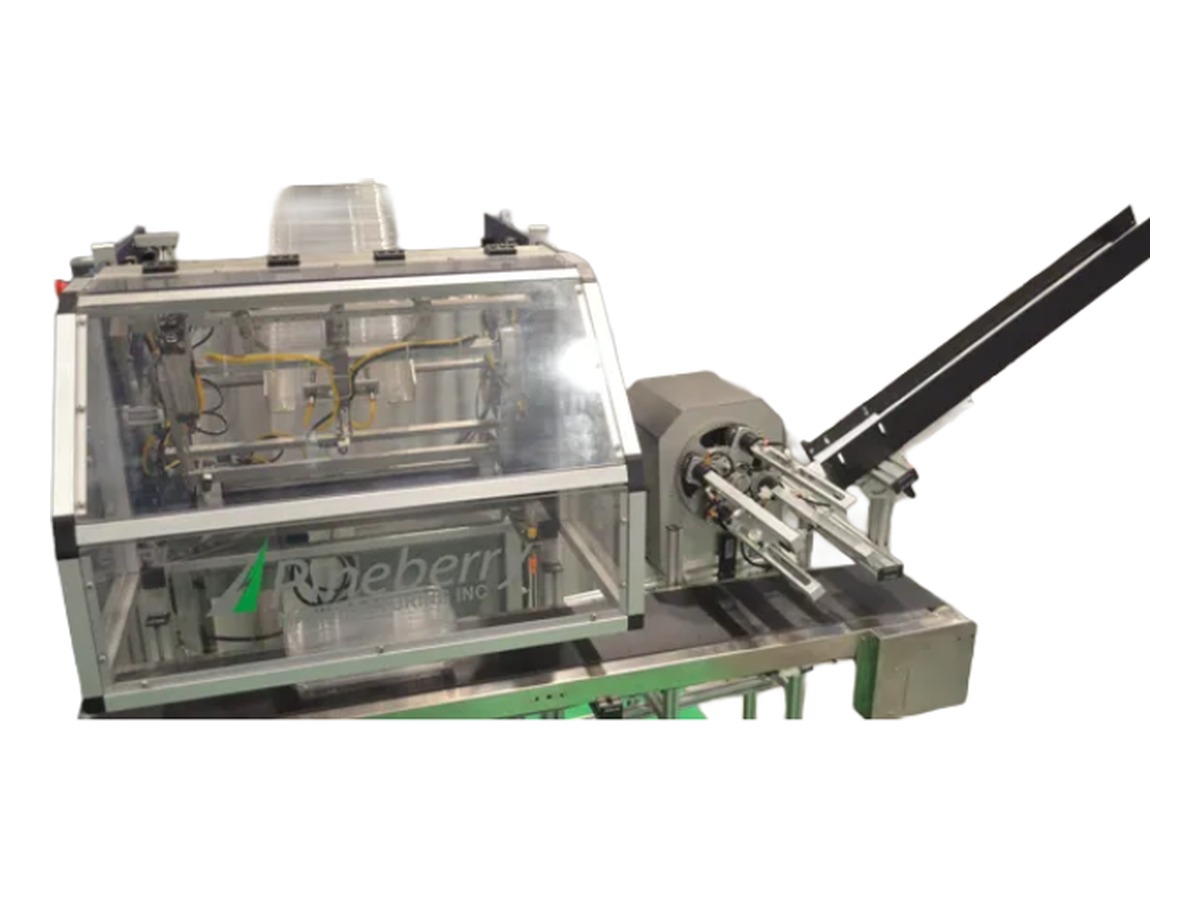
Denesting & Pick-and-Place

Tray denesting, rotary pick-and-place, and downstacking systems for separating and placing products.

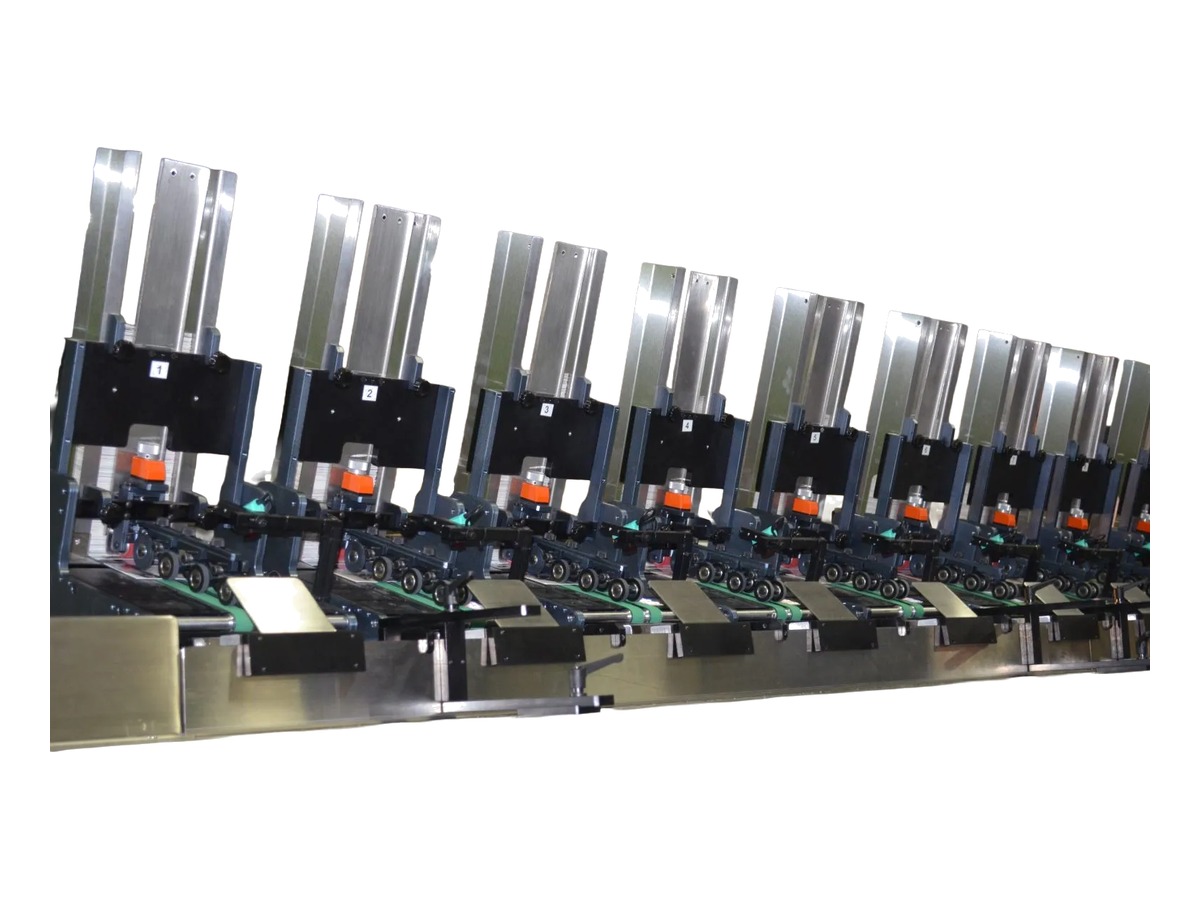
Collation, Counting & Batching

Collating systems and card counting, batching, and banding configurations.

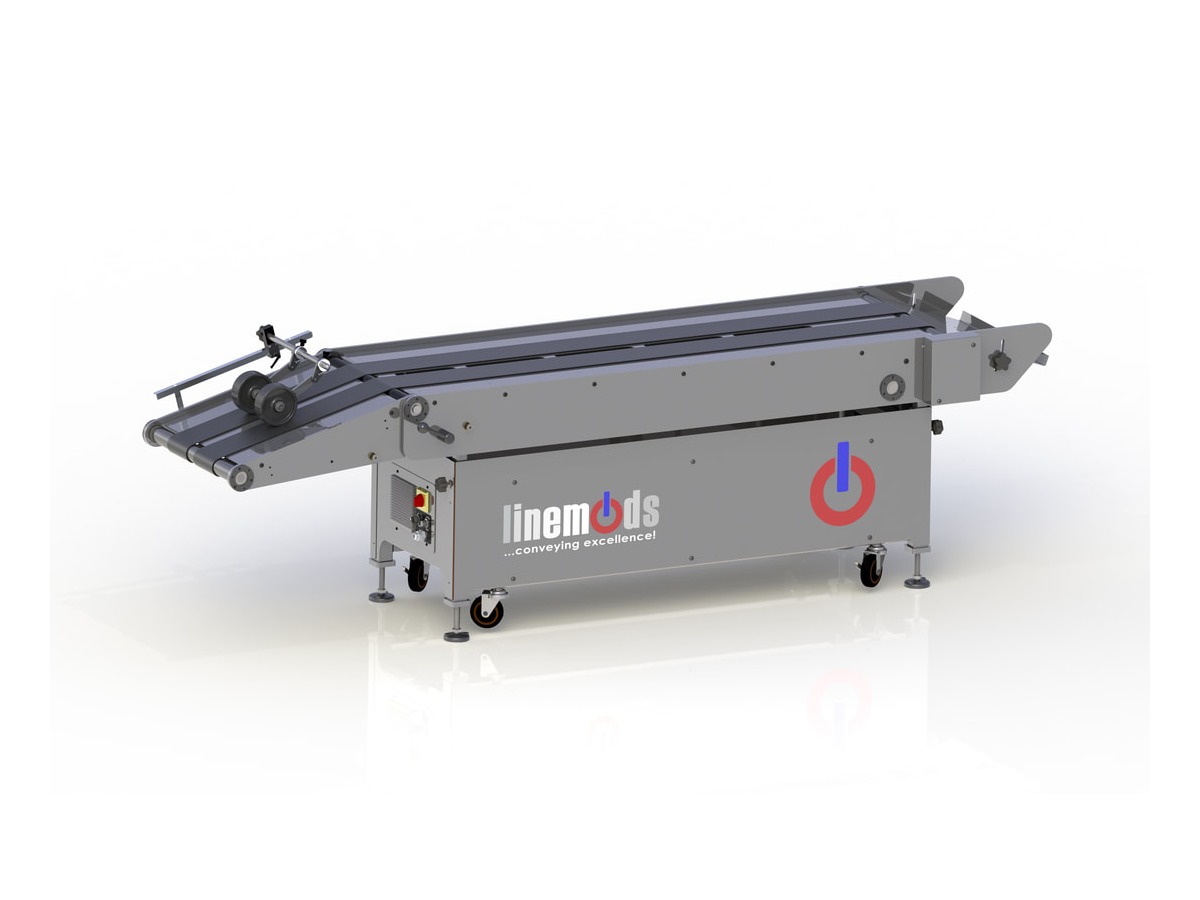
Stacking & Output Collection

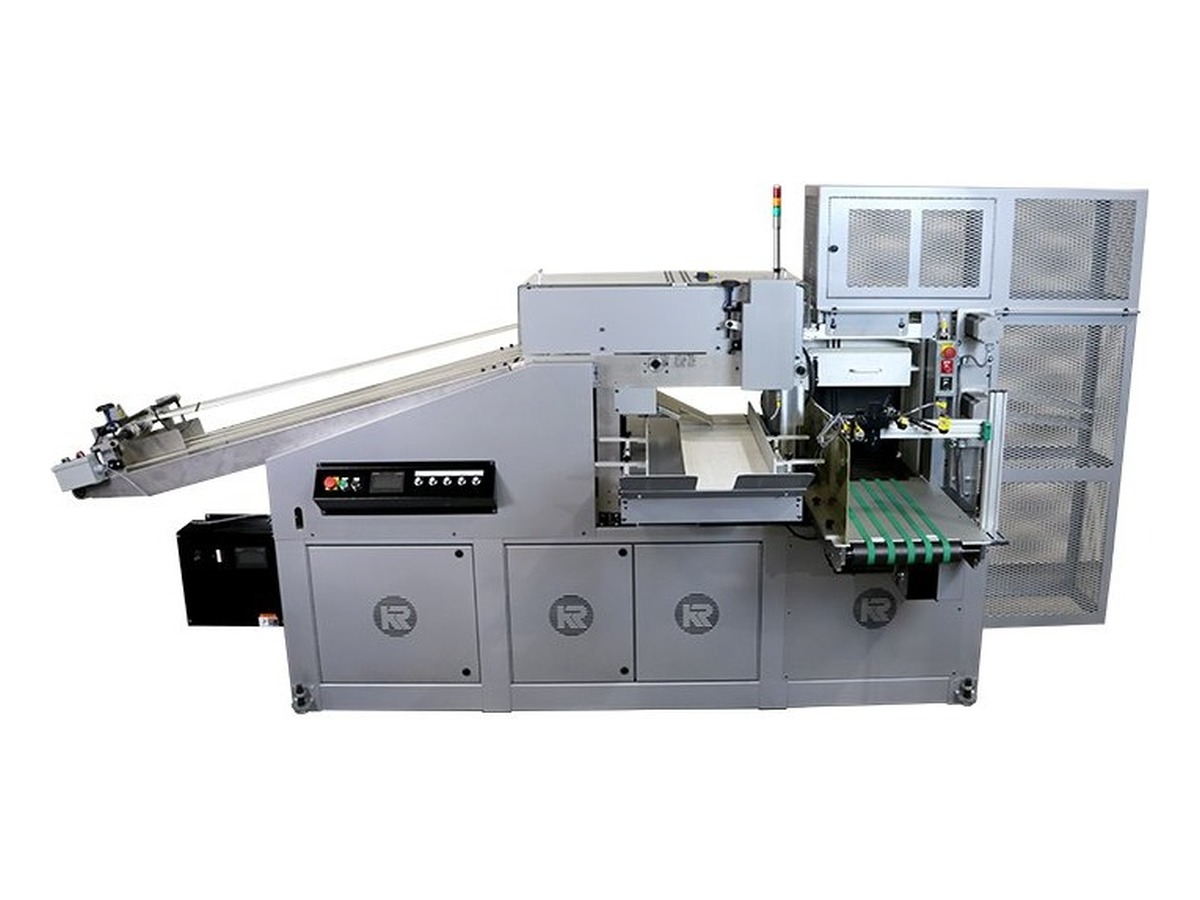
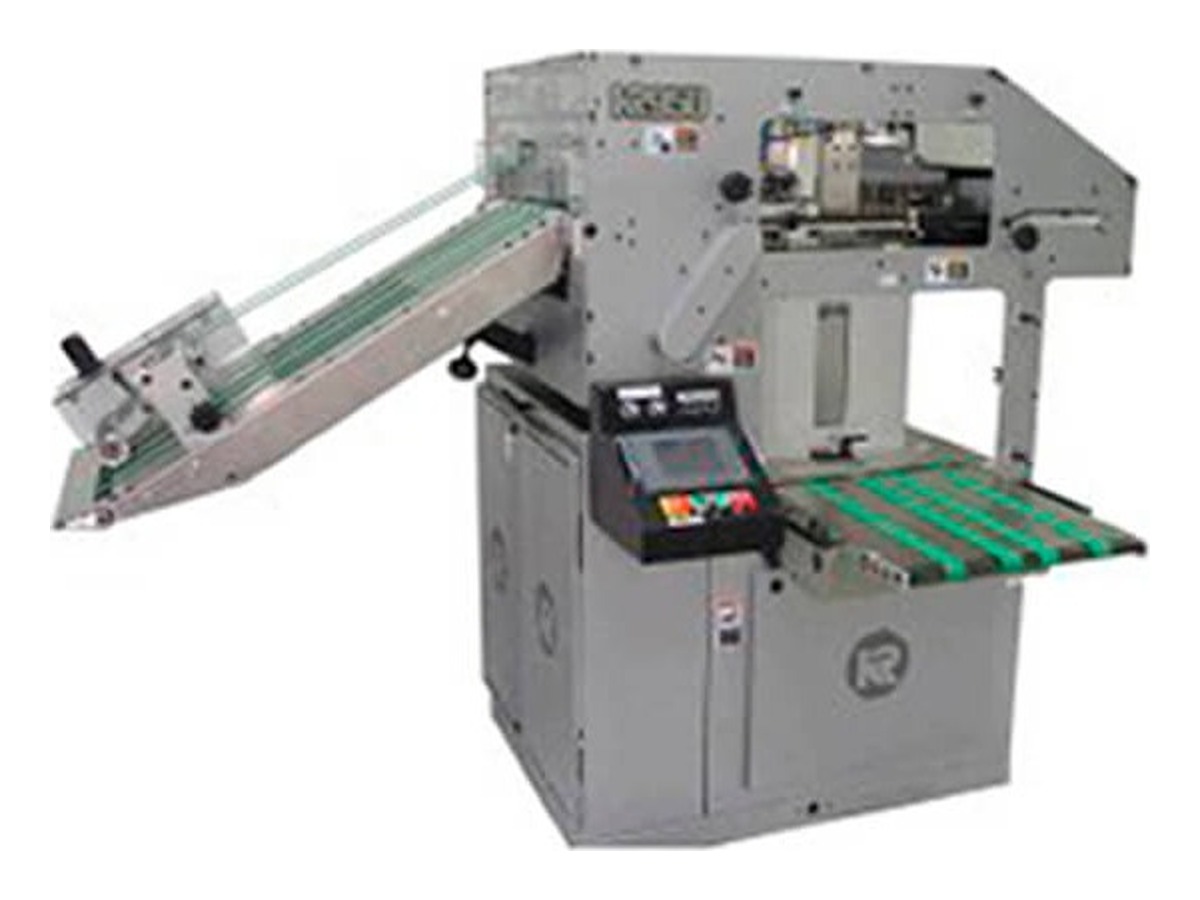
Production stackers, edge stackers, ramp stackers, and compensating stackers for completed output.

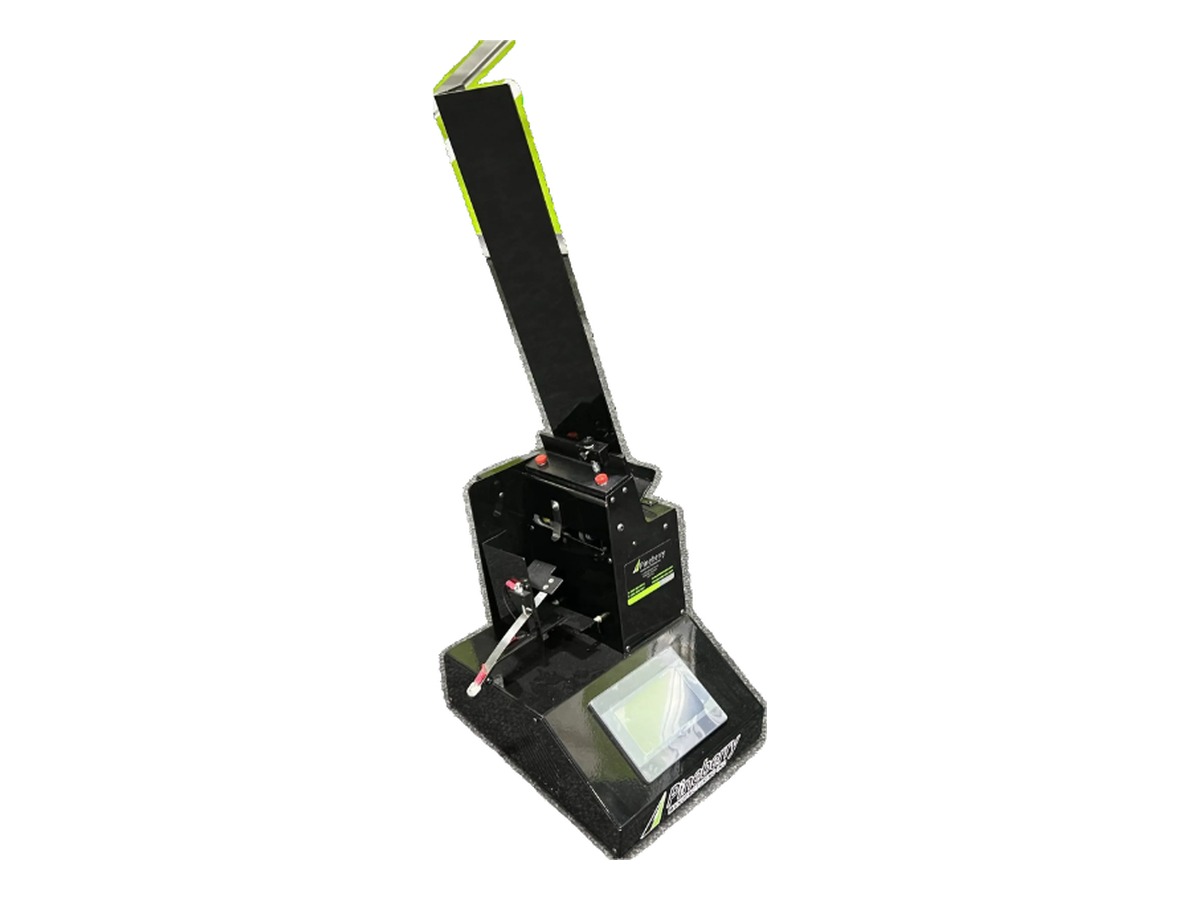
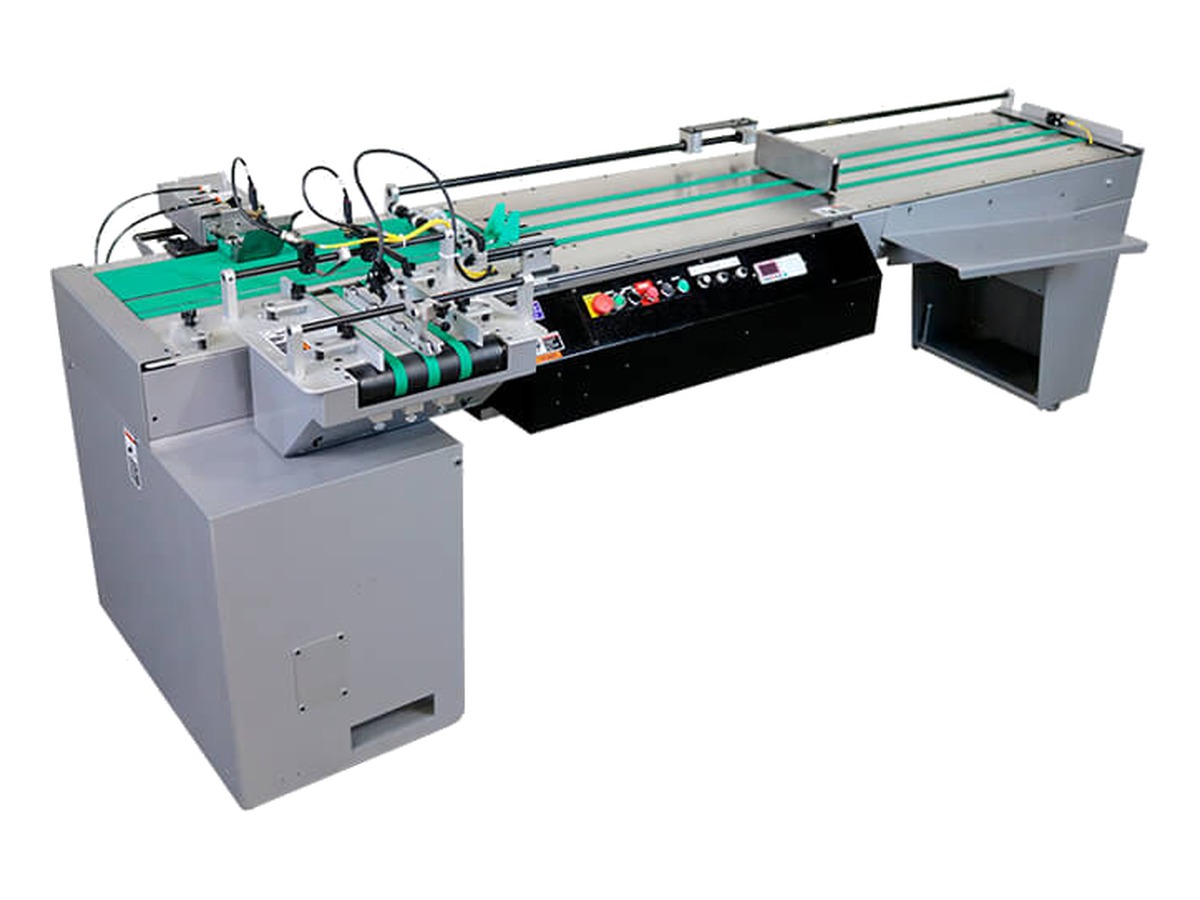
Kirk-Rudy KR345 edge stacking conveyor

Kirk-Rudy

KR345 Edge Stacking Conveyor

An end-of-line mail-handling conveyor that converts a flat, shingled stream into upright edge-stacked output, making tray breaks easier to identify and completed bundles easier to transfer into mail trays.

  • Automatic sorting with edge-stacked output
  • Consistent shingling with clearly visible tray breaks
  • Designed for use with most standard inkjet addressing and inserting systems

What Determines the Right Product-Handling System?

Five areas usually determine the handling method and level of automation.

Product Type and Stack Characteristics

Document the product material, dimensions, weight, nesting behavior, and how a stack currently behaves.

Denesting, Picking, or Collation Method

Determine whether the product must be separated, picked and placed, grouped, or collected.

Required Count and Sequence

Define the batch count, sequence, job breaks, and any verification the group must satisfy.

Production Rate and Product Spacing

Review the required rate, product pitch, and how much time each handling movement can take.

Downstream Packing or Collection

Review how the finished group or stack is packed, banded, conveyed, or handled by an operator.

Related Equipment Pathways

Product Conveyors & Accumulation

Transport and buffer products between handling, printing, and packaging processes.

Explore Product Conveyors & Accumulation

Feeders & Folders

Feed, separate, and fold sheets and flat products for print and mail production.

Explore Feeders & Folders

Packaging Automation

Bag, form, fill, pack, seal, strap, wrap, and palletize the completed product.

Explore Packaging Automation Equipment

Print & Mail Equipment

Insert, address, tab, sort, and verify mail production output.

Explore Print & Mail Equipment

Integrated Systems

Connect handling equipment with conveyors, printing, inspection, packaging, and line controls.

Explore Integrated Systems

Related Solution

Material Handling & End-of-Line Automation

Explore how conveying, accumulation, routing, inspection, pallet handling, documentation, and downstream workflow requirements work together across the final stages of production.

Integrated Systems

Connect conveyors and handling equipment with printing, coding, labeling, packaging, inspection, robotics, data, and line controls.

Explore Integrated Systems

Service & Support

Request installation, training, preventive maintenance, troubleshooting, and repair support for eligible material-handling equipment.

Explore Service & Support

Frequently Asked Questions

What is a tray denester?

A tray denester separates one tray, clamshell, carton, cup, or container from a nested stack and places it into the production flow so it can be filled, loaded, or handled downstream.

What is the difference between collating and sorting?

Collating assembles products into a defined group, count, or sequence. Sorting separates products into different destinations based on a rule, count, or scanned value.

Can product-handling systems integrate with packaging equipment?

In many applications denesting, pick-and-place, collation, and stacking equipment can be connected with conveyors, filling, printing, or packaging machinery. Product handling, timing, controls, and layout must be reviewed first.

What information does ATP need to evaluate the application?

Helpful information includes product samples or dimensions, stack characteristics, required count and sequence, production rate, downstream packing method, available floor space, and photographs or video of the current process.
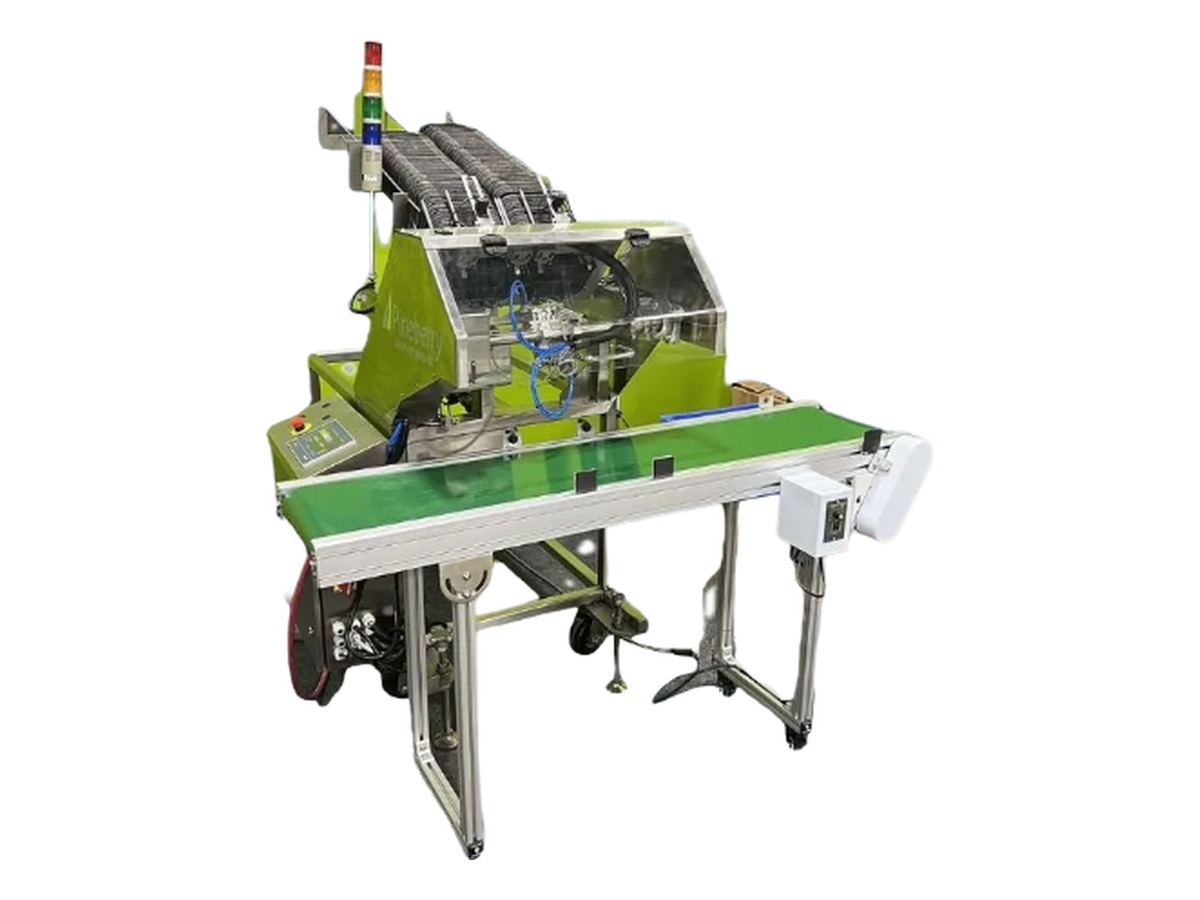
Automate the Repetitive Handling Steps

Describe the product, how it is separated or grouped today, and what the completed batch or stack must look like, and ATP can help identify an appropriate handling approach.

  • Product type and dimensions
  • Stack or nest characteristics
  • Required count and sequence
  • Production rate
  • Current manual steps
  • Downstream packing method
  • Available floor space
  • Photographs, video, or samples