Pregis
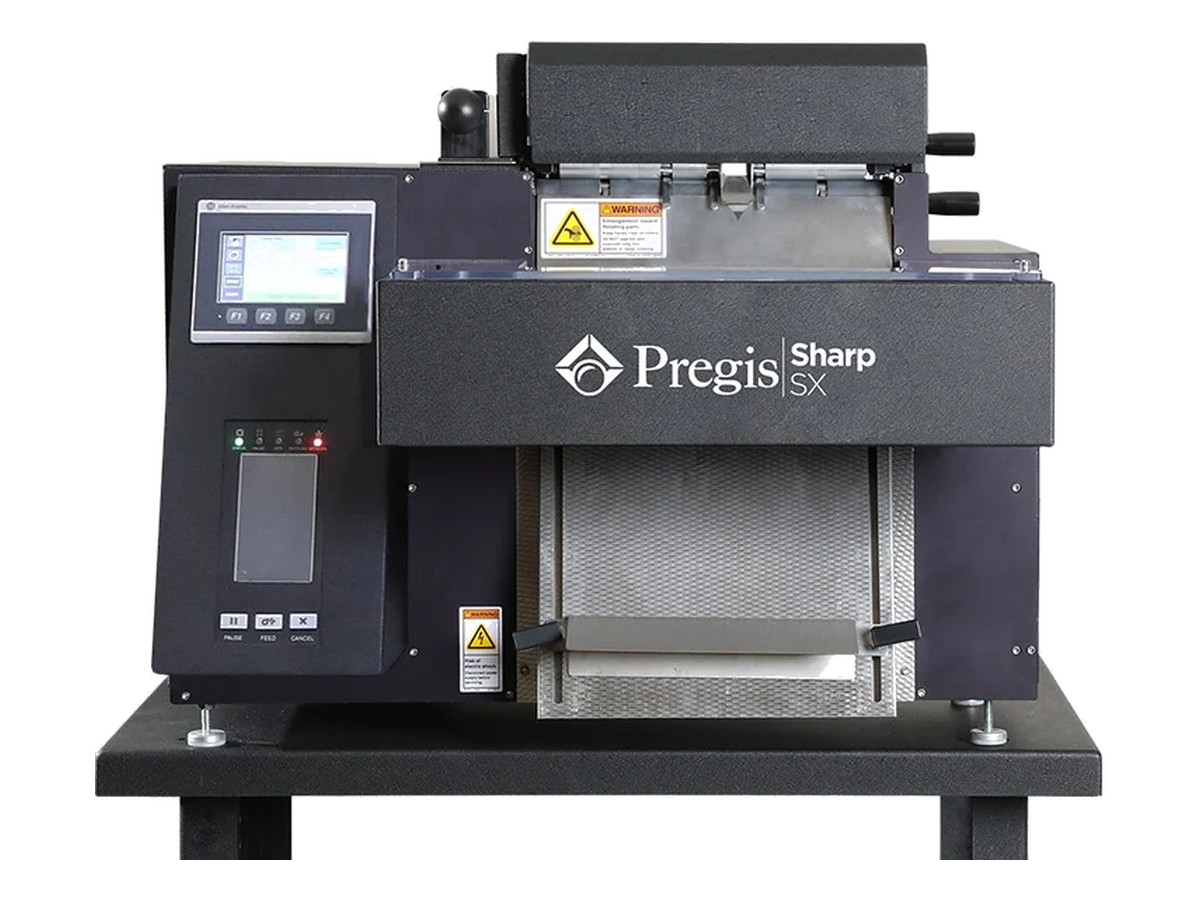
Sharp SX Tabletop Bagging Machine
A compact all-electric tabletop bagging system for small parts, kits, components, and point-of-use packaging stations.
- Tabletop footprint
- All-electric operation
- Point-of-use bagging
Packaging Automation Equipment
Load and seal products in pre-opened bags, automated mailers, and vertically formed packages using equipment selected around the product, bag format, production rate, printing requirements, and loading method.
Available systems range from compact tabletop baggers to integrated fulfillment, counting, conveying, and ecommerce mailer workflows.
Explore Packaging Automation SolutionsEquipment is grouped by manufacturer so tabletop, production, and ecommerce mailer platforms can be compared side by side.
Tabletop through higher-capacity automated bagging platforms for manufacturing, fulfillment, and ecommerce operations.
Pregis
A compact all-electric tabletop bagging system for small parts, kits, components, and point-of-use packaging stations.
Pregis
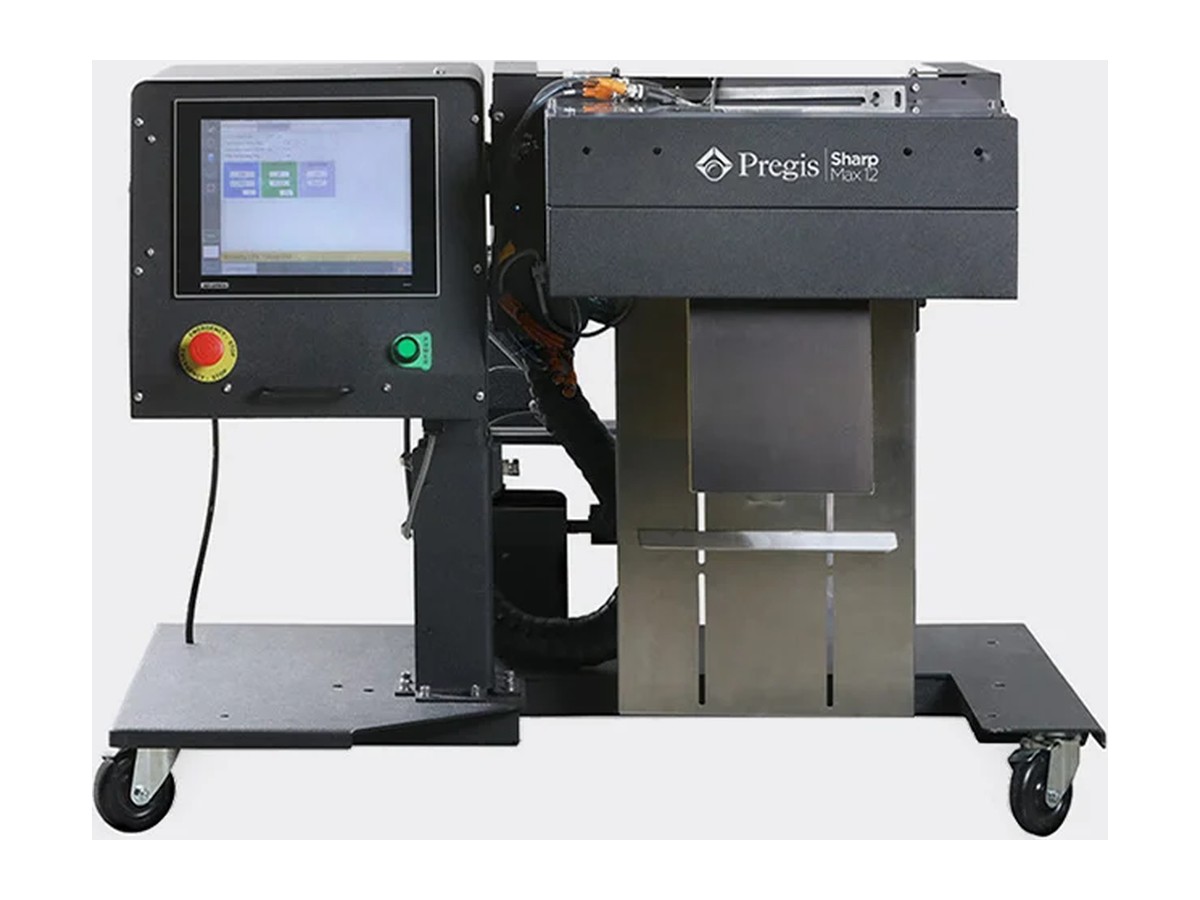
A configurable automated bagging platform for manufacturing, fulfillment, and ecommerce operations that need conveyor, printing, or robotic integration.
Pregis
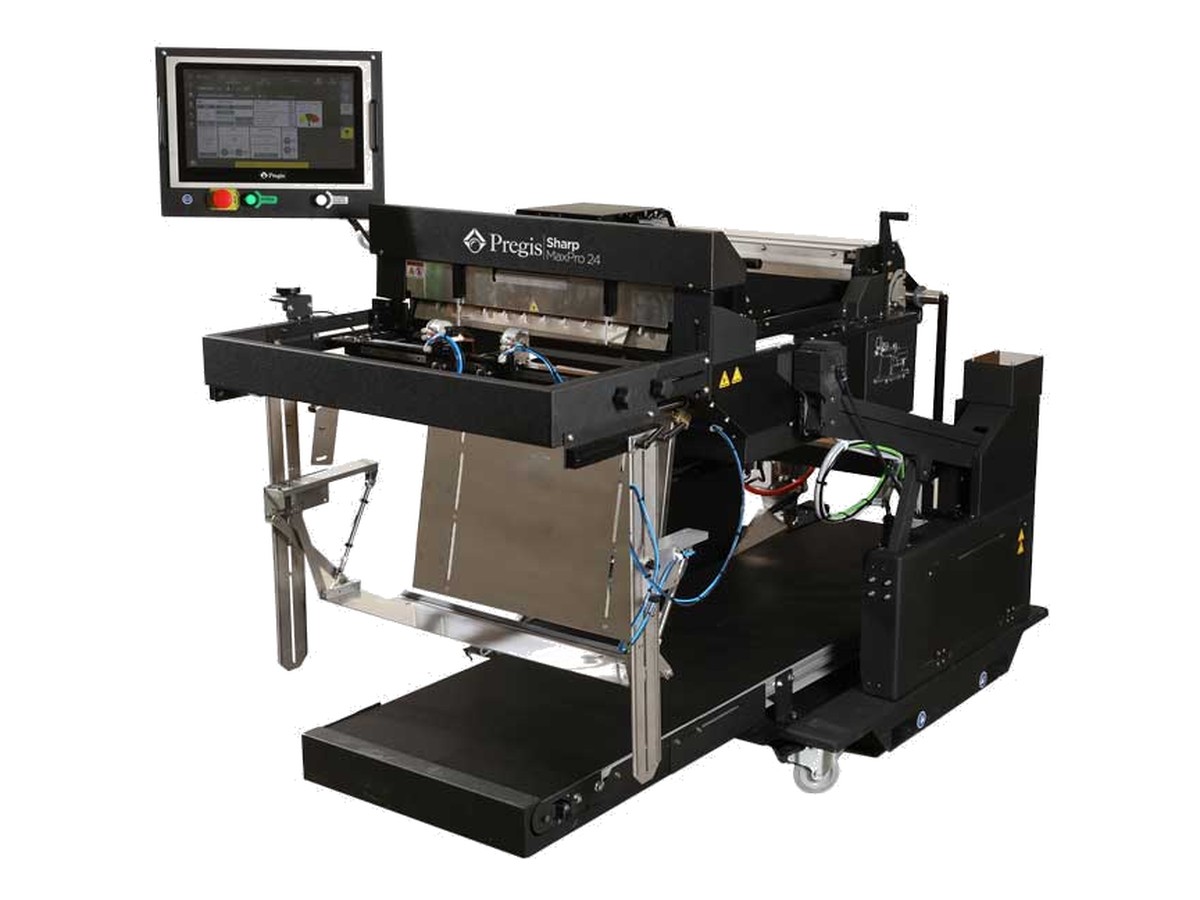
Higher-capacity automated bagging systems for larger or bulkier ecommerce and fulfillment products.
Tabletop and configurable production baggers for industrial, medical, component, and kit packaging.
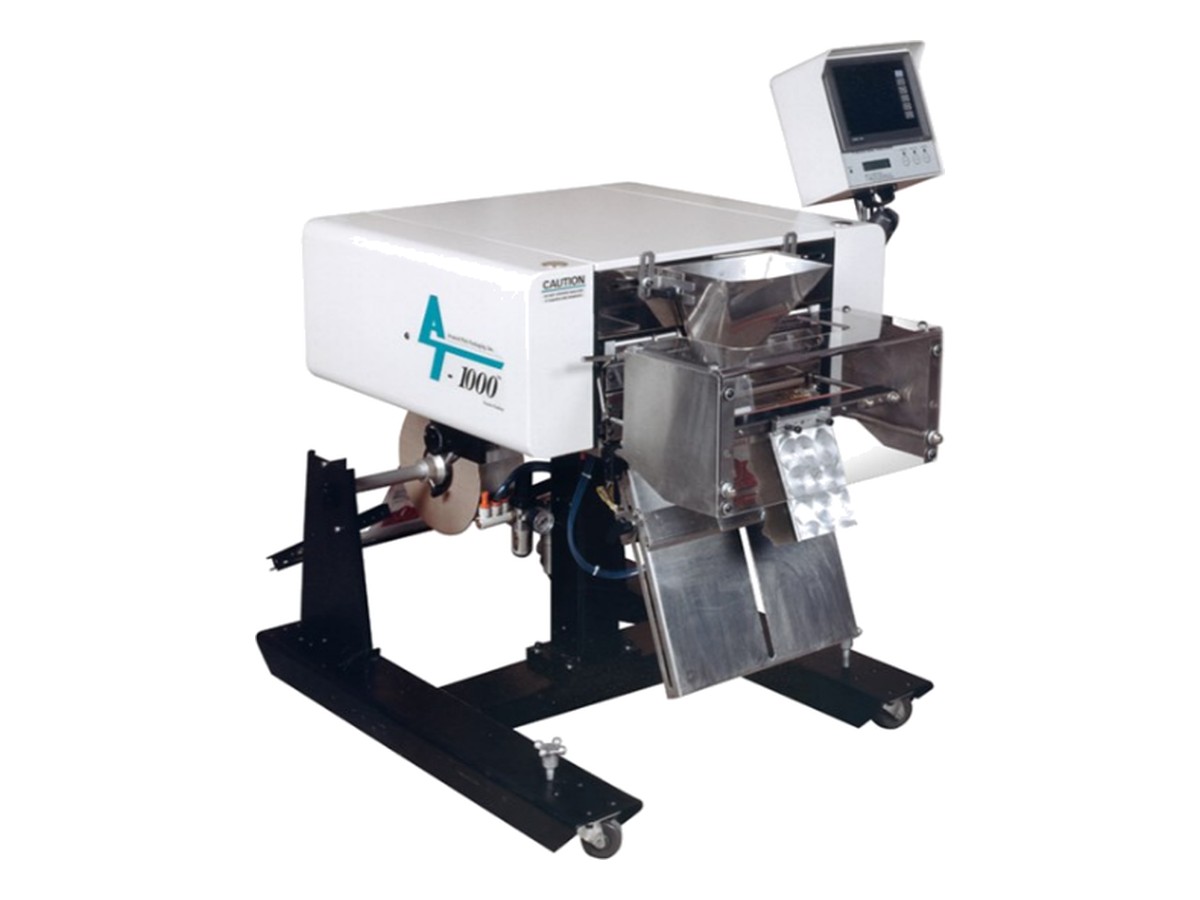
Advanced Poly-Packaging
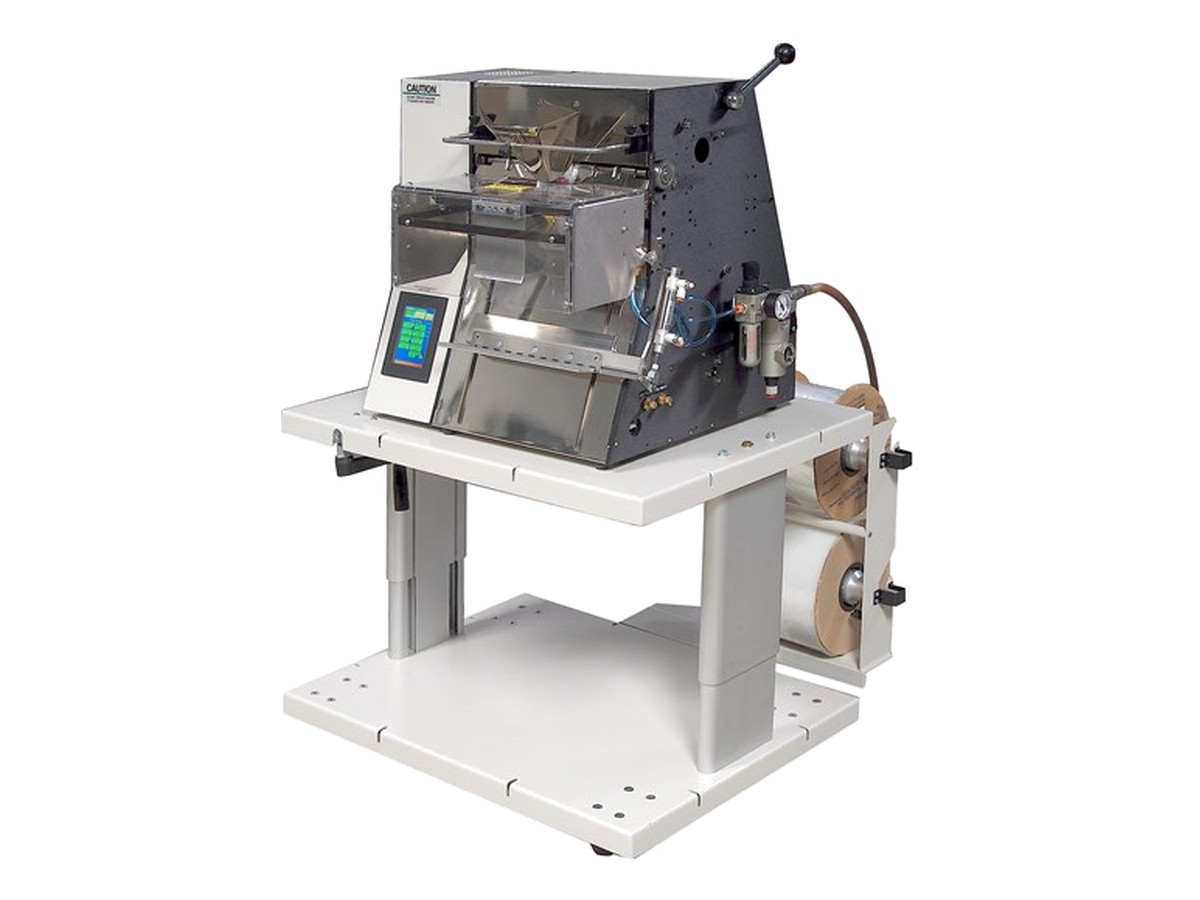
A compact tabletop bagger for lower-volume and point-of-use industrial, medical, component, and kit-packaging applications.
Advanced Poly-Packaging
A configurable production bagging family supporting manual loading, parts counting, conveying, printing, weighing, and third-party equipment integration.
Standard vertical, wide, horizontal-loading, next-bag-out printing, and medical or application-specific configurations.
Vertical film packaging, L-bar systems, ecommerce mailer production, and automated bulk bagging.
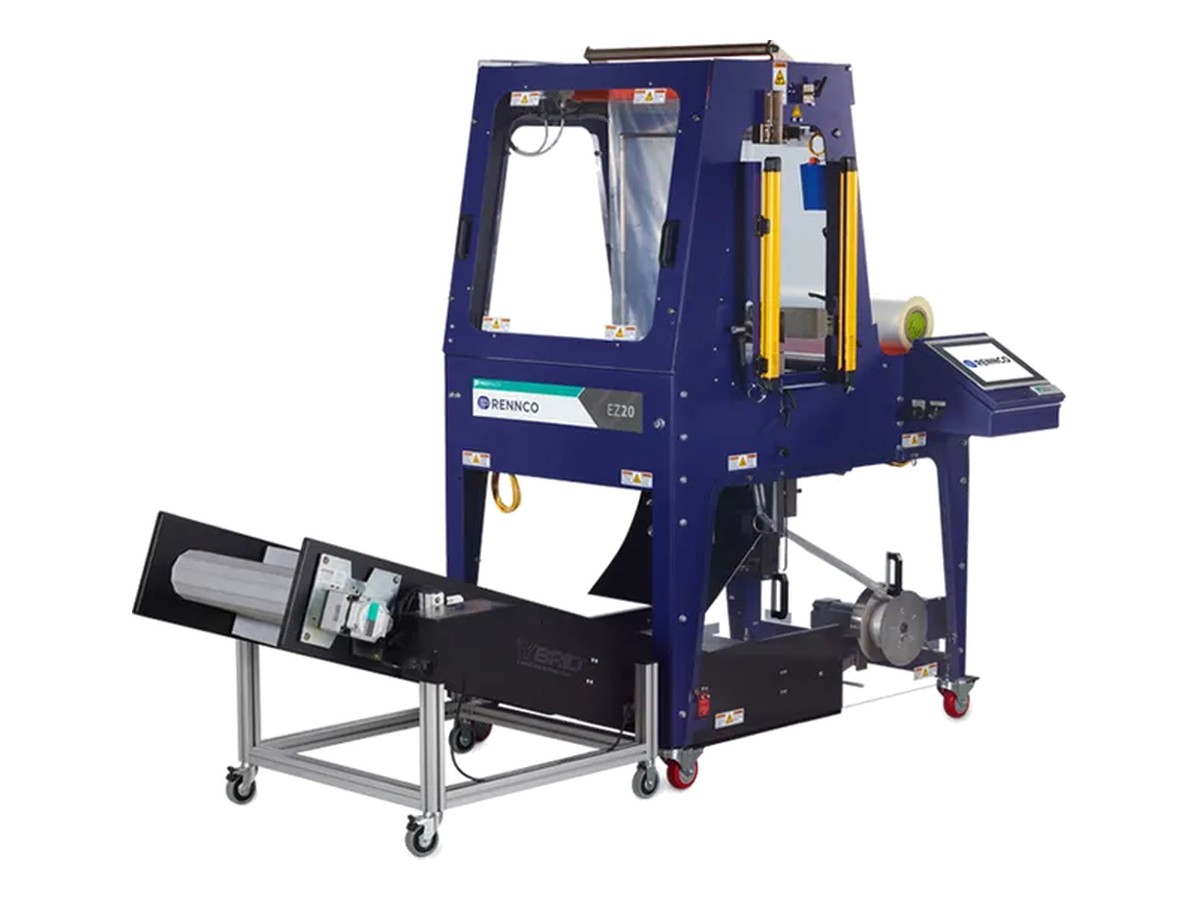
Rennco
A compact all-electric entry-level vertical bagger for operations moving from hand packing or pre-made bags to film packaging.
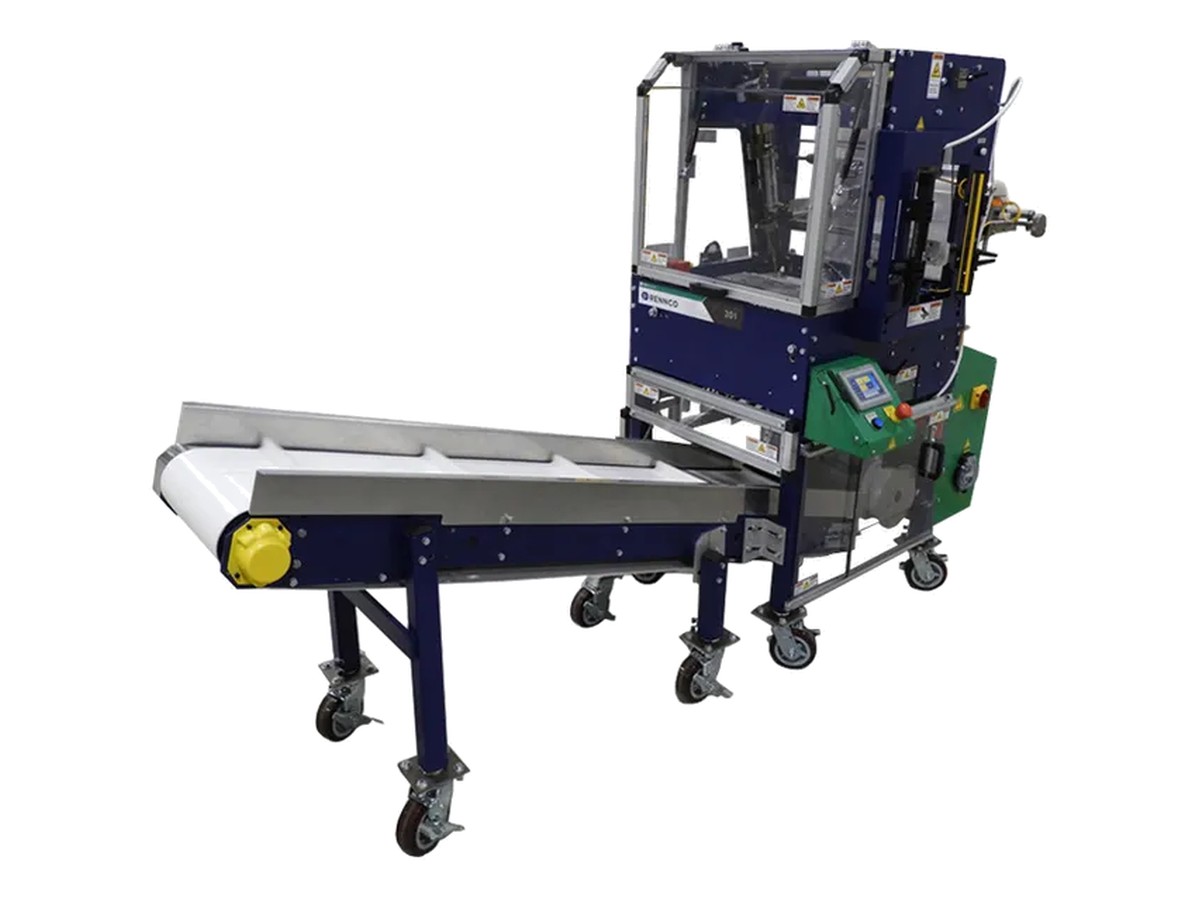
Rennco
Vertical L-bar systems that package products in centerfolded film, including longer, cylindrical, stacked, and larger-format items.
Model 201, Model 301, Model 501, and related Pouch Pack configurations.
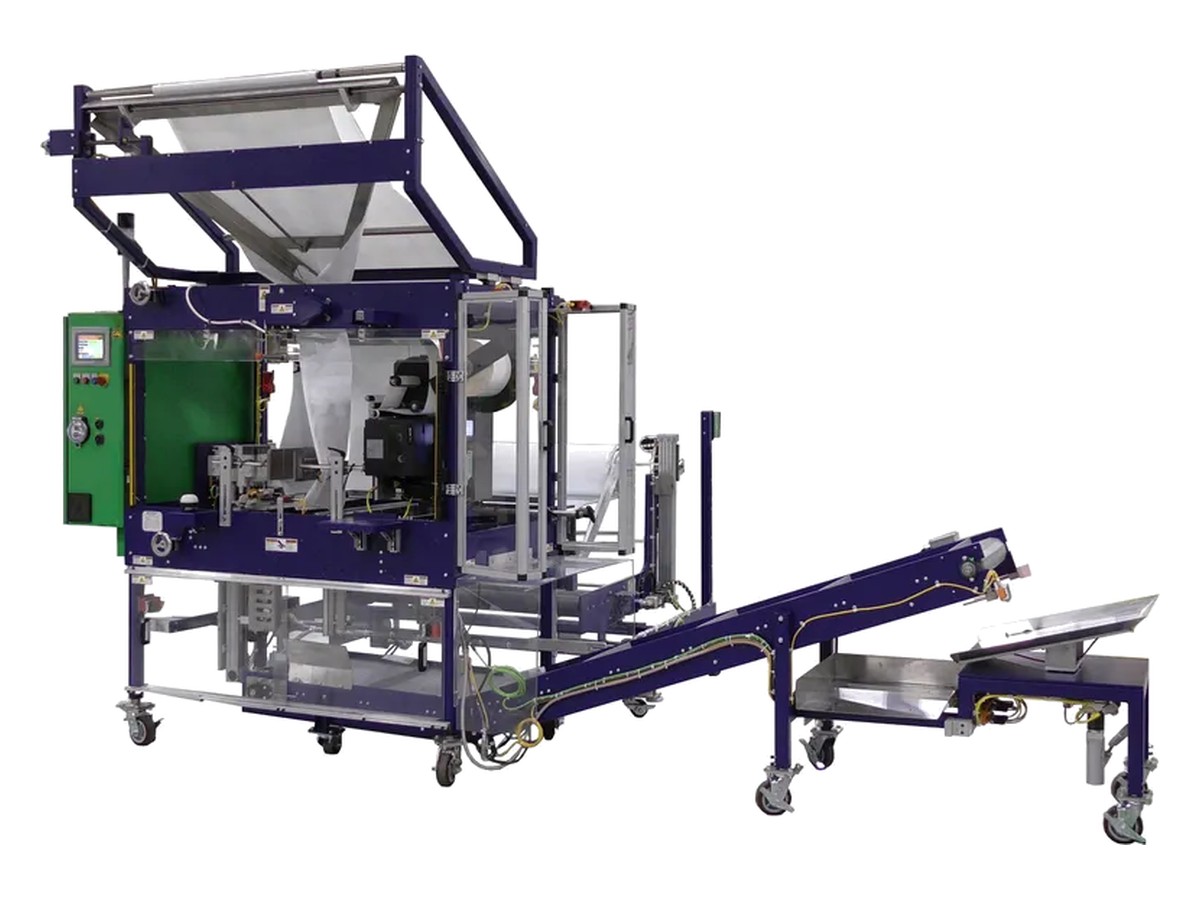
Rennco
Right-sized ecommerce packaging systems that produce custom mailers, including bubble-lined protective mailer configurations.
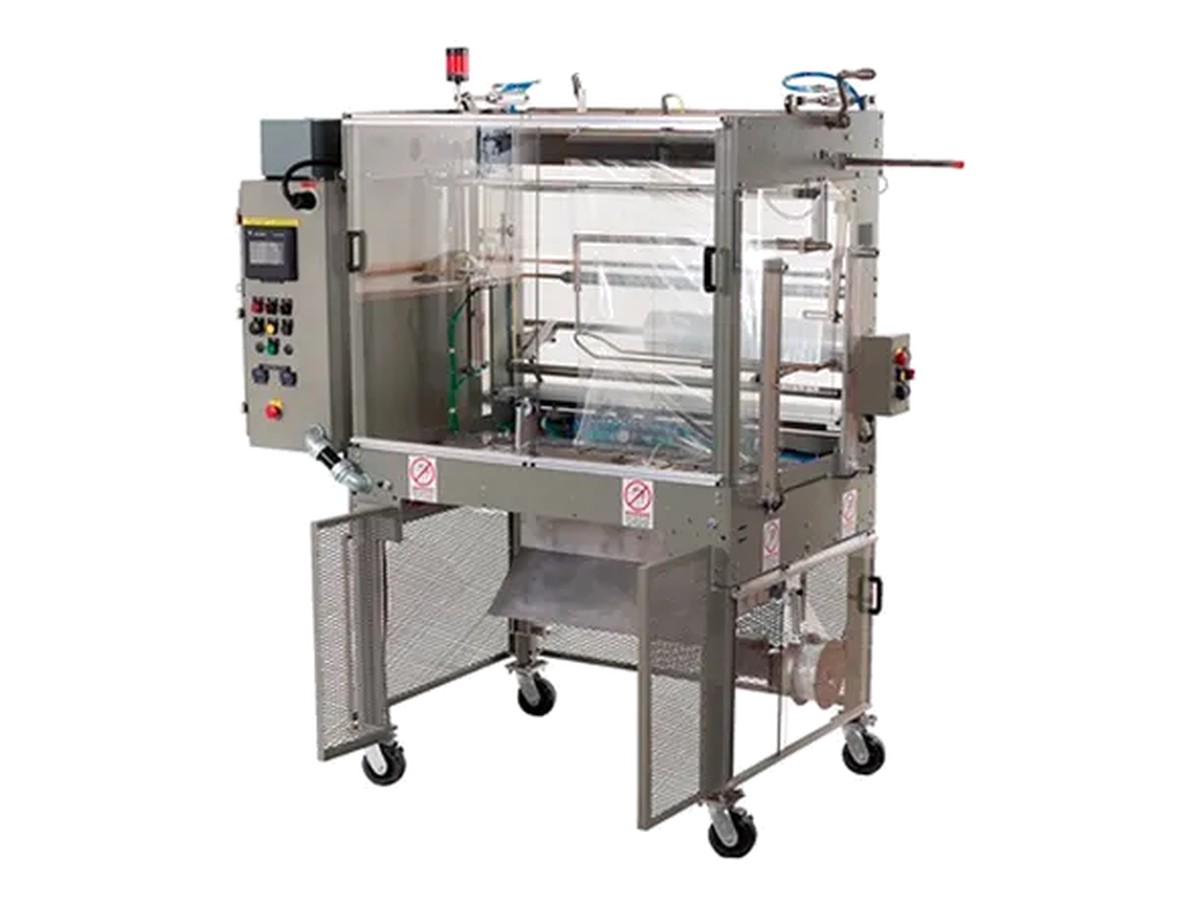
Rennco
Application-specific vertical bagging systems built around scales, counters, pocket conveyors, feeders, and automated product loading.
Five areas usually narrow the field before published cycle rates are compared.
Document the product dimensions, weight, rigidity, and how much variation exists between items and orders.
Determine whether the application suits pre-opened bags on a roll, centerfolded film, paper mailers, or bubble-lined mailer material.
Review whether an operator loads each package, or whether feeders, counters, conveyors, or robotics present the product to the bagger.
Confirm what must be printed on the bag, whether piece counts or weights are required, and where that data originates.
Evaluate the required output, available floor space, and how the bagger connects to upstream production and downstream handling.
Compare rollstock packaging where the package is formed, filled, and sealed in one coordinated process.
Explore Form-Fill-Seal & Flow WrappingAdd cushioning, void fill, or a protective package when the bag alone does not protect the product.
Explore Protective & Specialty PackagingPrint dates, lot codes, and variable information directly onto bags, film, and packaging.
Explore Coding & Marking EquipmentApply printed labels to bagged products, cases, and shipping packages.
Explore Labeling & Print-and-Apply EquipmentConnect baggers with feeders, conveyors, printers, scales, and production controls.
Explore Integrated SystemsRelated Solution
Explore how forming, filling, packing, protecting, sealing, wrapping, strapping, and palletizing can work together across a complete packaging process.
Connect packaging equipment with conveyors, coding, labeling, inspection, robotics, production data, and line controls.
Explore Integrated SystemsRequest installation, training, preventive maintenance, troubleshooting, and repair support for eligible packaging equipment.
Explore Service & SupportAn automatic bagging machine presents or forms a package, allows the product to be loaded manually or automatically, and completes the seal. Depending on the technology, the package may use pre-opened bags on a roll, flat or centerfolded film, paper mailers, or bubble-lined mailer material.
Pre-opened bags arrive on a roll already formed, so the machine indexes, opens, and seals each bag. Centerfolded film is formed into a package on the machine, which allows package length and width to be adjusted within the equipment's range rather than ordering a separate bag size.
Many bagging systems support printing on the bag as part of the packaging cycle, and some configurations print the next bag while the current one is being loaded. What can be printed depends on the printing method, bag material, and the data available from the production or order system.
Useful details include the product dimensions and weight, the bag or film format, whether loading is manual or automatic, printing, counting, or weighing requirements, the required production rate, available space, and how the bagger must connect to upstream and downstream equipment.
Describe the product, the package, and the production rate, and ATP can help identify an appropriate bagging or mailer configuration.