PFM Packaging Machinery
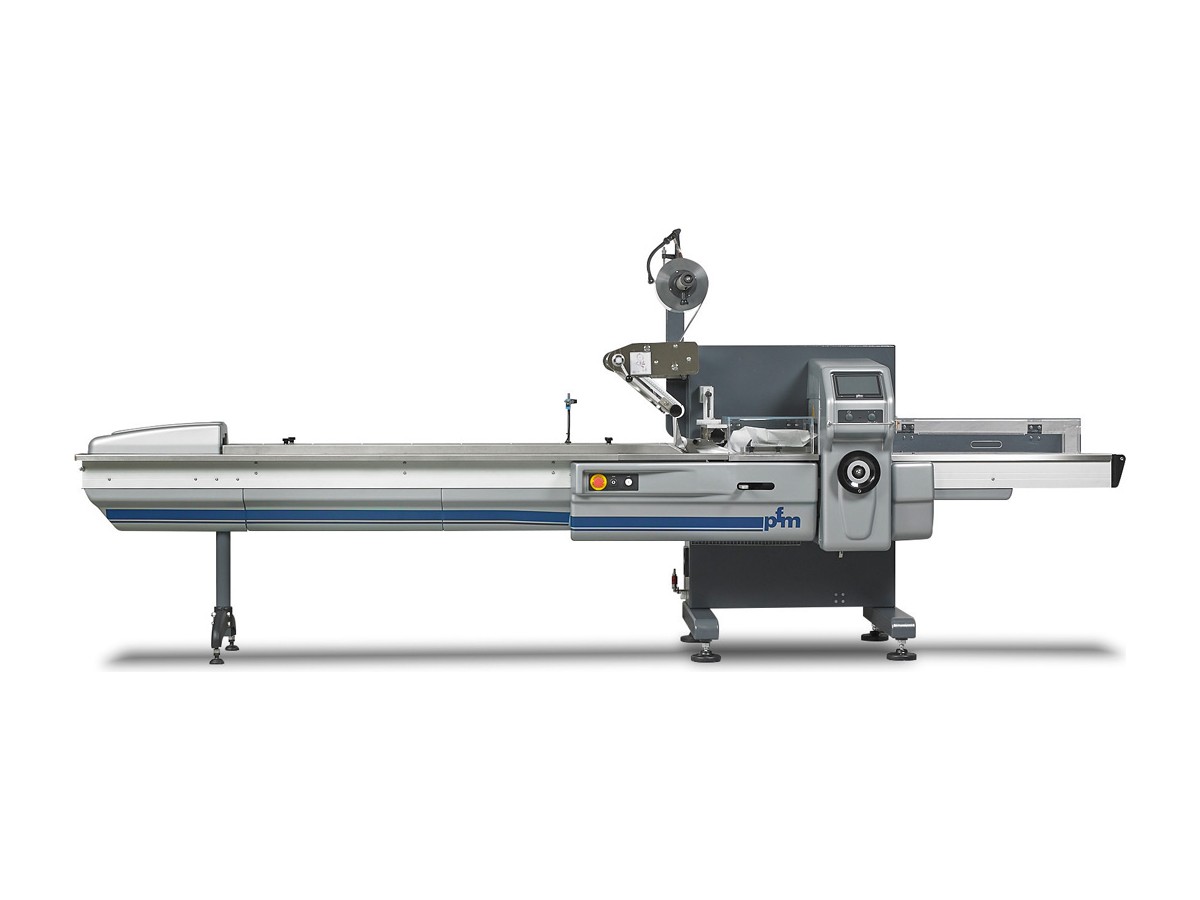
Pearl Flow Wrapper
A compact full-servo horizontal flow wrapper for pillow-pack applications where floor space and format flexibility matter.
- Full-servo control
- Pillow-pack format
- Compact horizontal platform
Packaging Automation Equipment
Create packages from rollstock, load or dose the product, and complete the seal using horizontal flow wrappers and vertical form-fill-seal equipment.
Equipment selection depends on the product, package style, film, sealing method, dosing or feeding requirements, production rate, and finished presentation.
Explore Packaging Automation SolutionsHorizontal wrapping platforms and vertical packaging systems are shown separately so the product flow can be matched first.
Full-servo horizontal wrapping platforms for pillow-pack, three-side-seal, long-dwell, and integrated line applications.
PFM Packaging Machinery
A compact full-servo horizontal flow wrapper for pillow-pack applications where floor space and format flexibility matter.
PFM Packaging Machinery
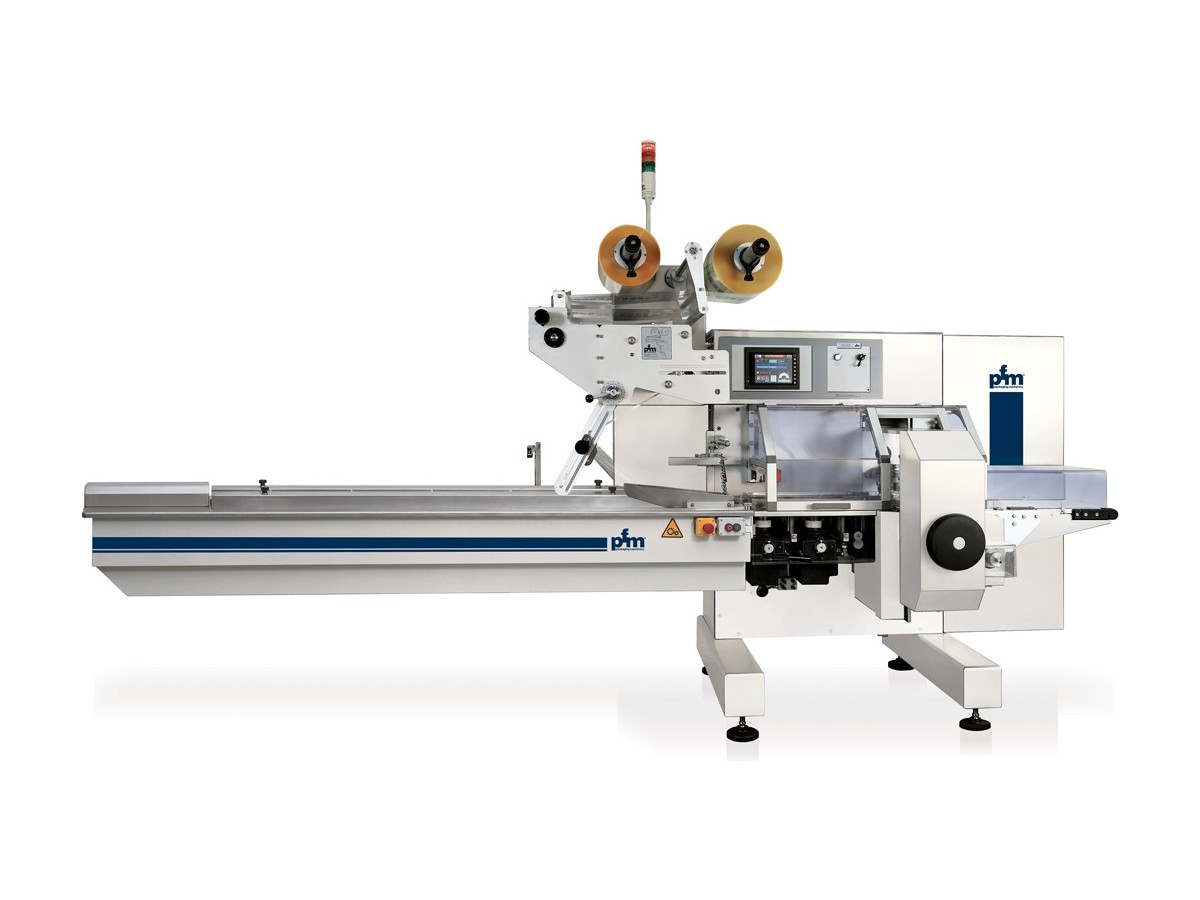
A flexible horizontal flow wrapper for three-side-seal packaging, multiple product formats, and frequent changeovers.
PFM Packaging Machinery
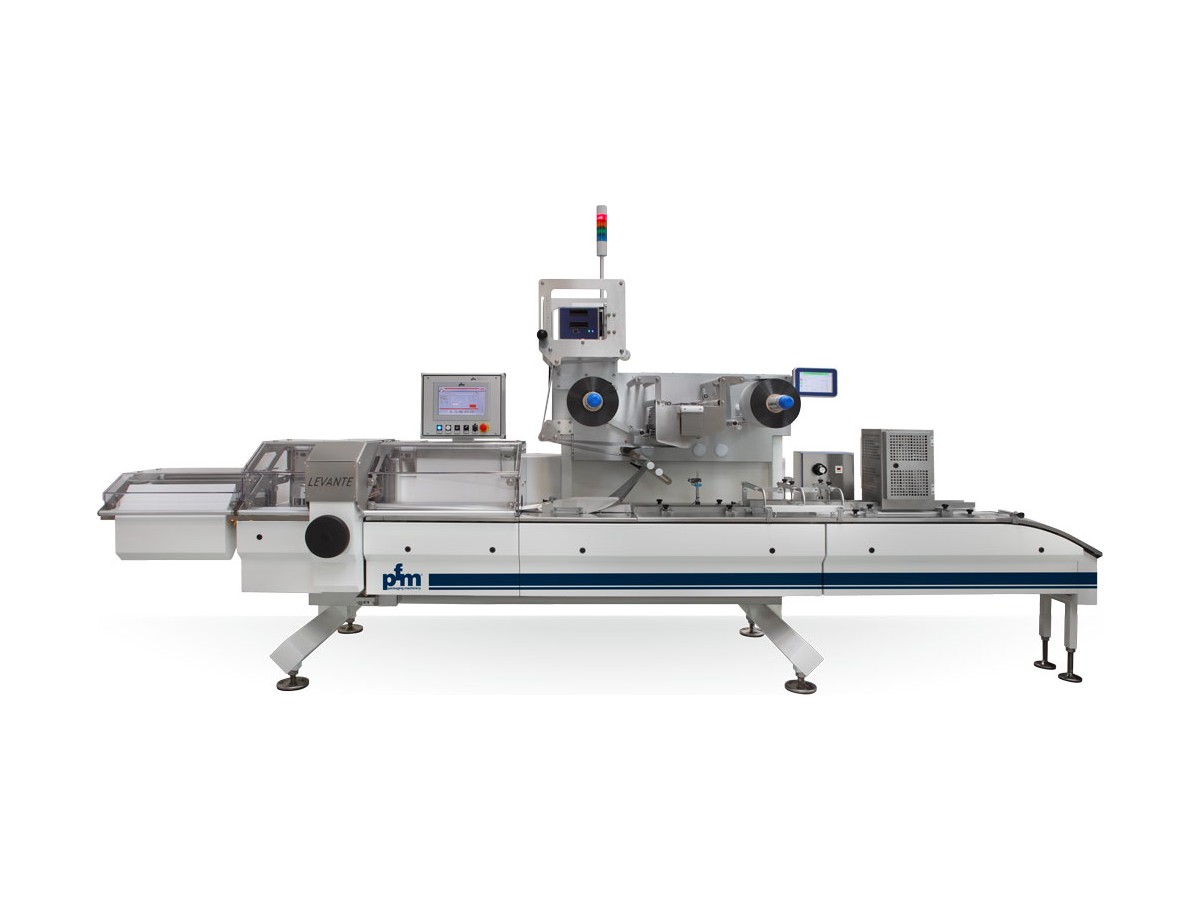
A higher-speed horizontal flow wrapper for continuous pillow-pack production using heat- or cold-sealable film.
PFM Packaging Machinery
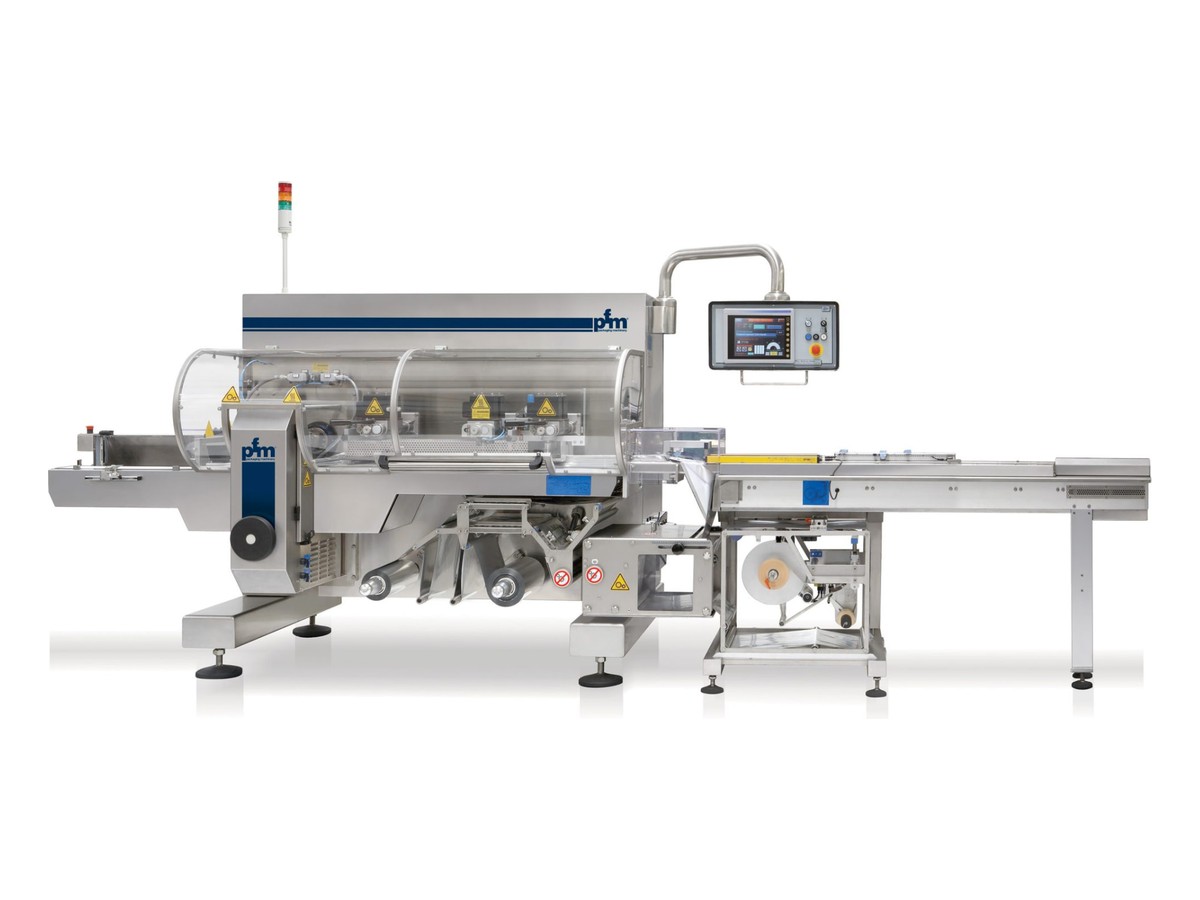
A long-dwell horizontal wrapping platform for applications that require extended sealing control and consistent hermetic seals.
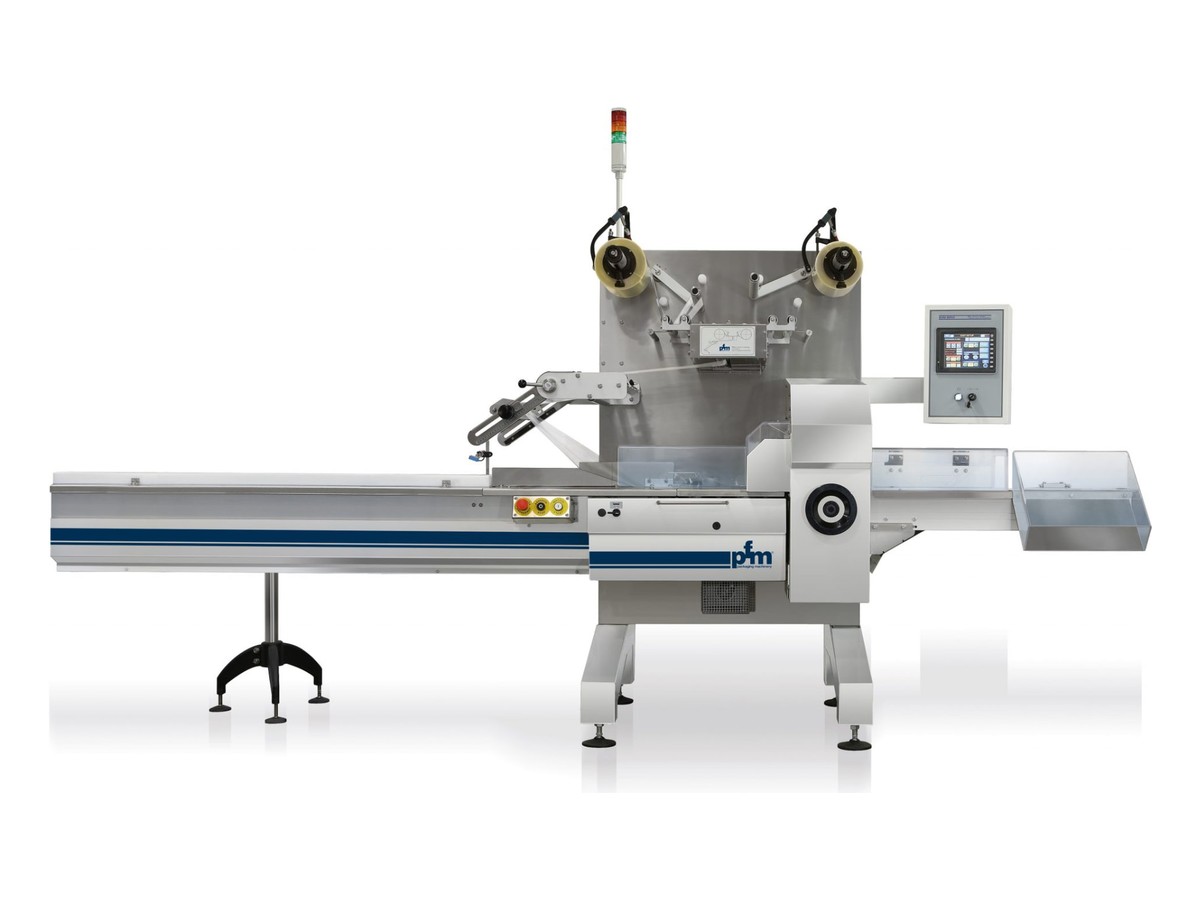
PFM Packaging Machinery
A full-servo horizontal wrapping system designed around automated feeding, synchronized product flow, and connected packaging lines.
Vertical packaging systems configured around product dosing, package format, and larger or heavier products.
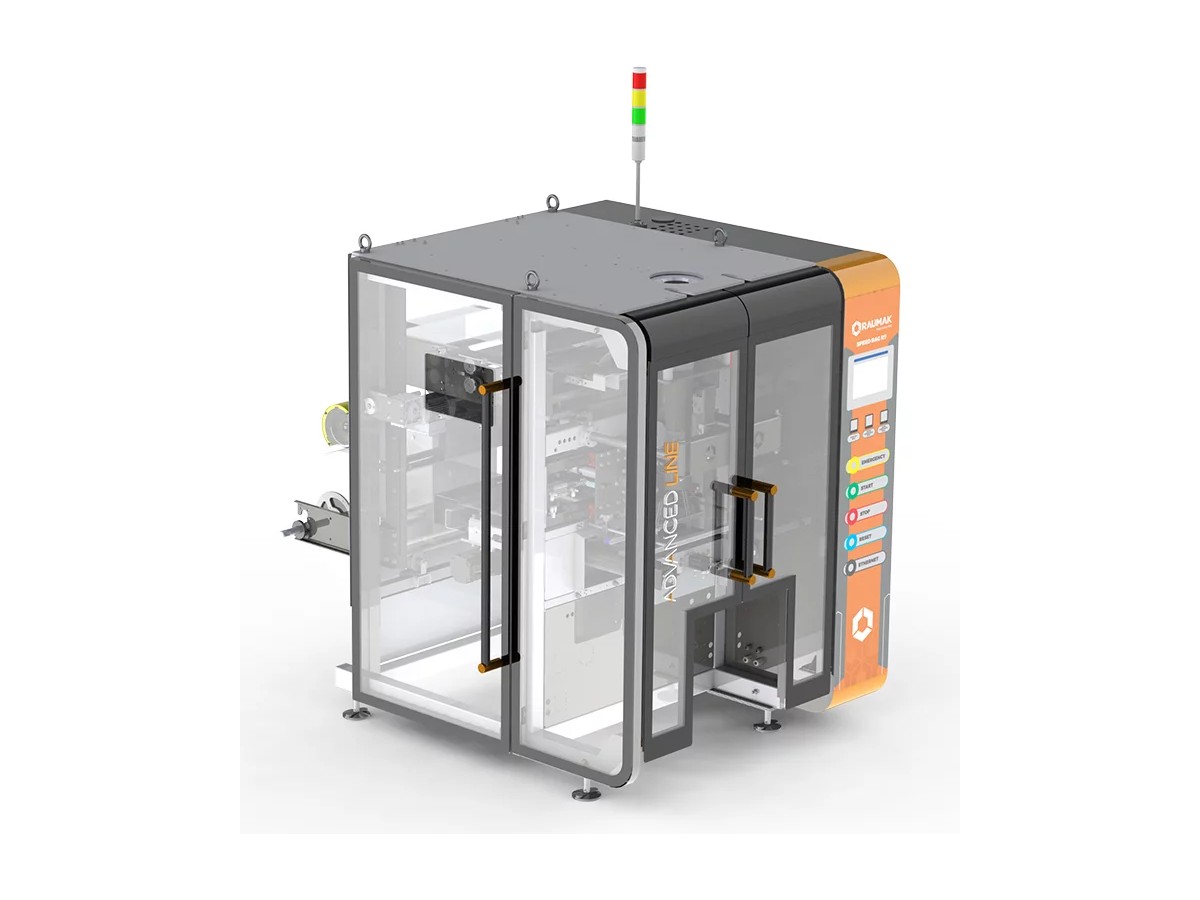
Raumak Packaging
A family of vertical form-fill-seal systems configured around product dosing, package format, and production requirements.
Speed Bag R7, R8, R9, Gold, and Twin configurations.
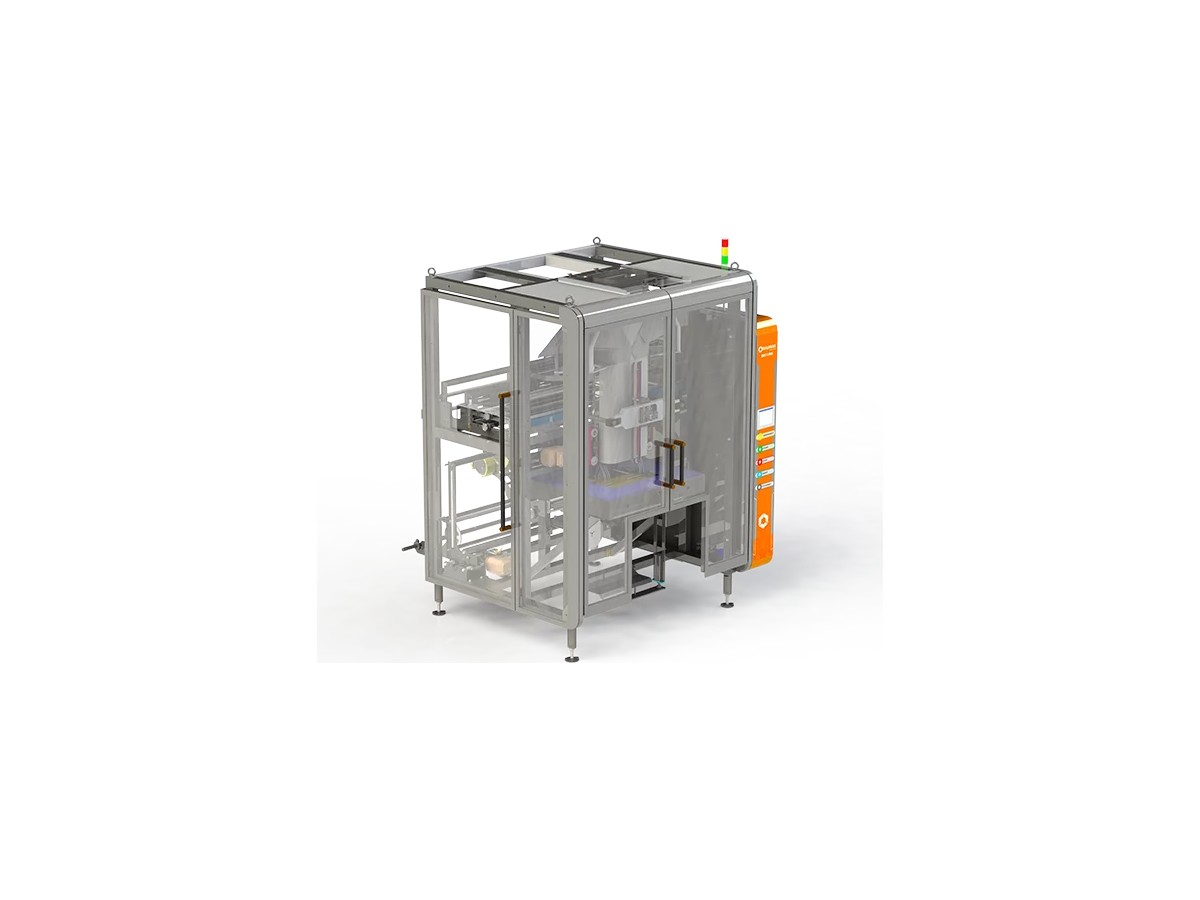
Raumak Packaging
A larger-format vertical packaging system for heavier products and packages using application-specific dosing configurations.
Five areas shape whether a horizontal or vertical platform is appropriate.
Identify whether the product is a discrete item, counted pieces, or a flowable material, and how it will be measured or presented.
Determine whether the product should travel through film horizontally or drop into a package formed vertically.
Confirm the finished package format and the film structure required for the product, seal, and shelf presentation.
Review whether the application needs standard sealing, extended dwell, or a specific seal condition for the material used.
Evaluate the required output and how products are fed, spaced, and synchronized with the wrapping or forming cycle.
Compare pre-opened bag and mailer packaging when rollstock forming is not required.
Explore Automatic Bagging & Mailer SystemsApply dates, lot codes, and variable data directly to film and flexible packaging.
Explore Coding & Marking EquipmentAdd cushioning, shrink, or specialty packaging methods around the finished product.
Explore Protective & Specialty PackagingConnect wrappers and form-fill-seal equipment with feeders, conveyors, coding, and controls.
Explore Integrated SystemsRelated Solution
Explore how forming, filling, packing, protecting, sealing, wrapping, strapping, and palletizing can work together across a complete packaging process.
Connect packaging equipment with conveyors, coding, labeling, inspection, robotics, production data, and line controls.
Explore Integrated SystemsRequest installation, training, preventive maintenance, troubleshooting, and repair support for eligible packaging equipment.
Explore Service & SupportForm-fill-seal equipment creates a package from rollstock, introduces the product, and closes the package within one coordinated process rather than using pre-made bags or containers.
Horizontal systems typically move an individual product through film along a horizontal path, which suits discrete items. Vertical systems commonly dose or drop products into a package formed around a vertical tube, which suits flowable, counted, or weighed products.
Many flow wrappers are designed around synchronized infeed. Whether an automatic feeder, robotic loader, or manual placement is appropriate depends on the product, the required rate, and how consistently items can be presented to the film.
Helpful details include the product and how it is dosed or presented, the package style and film, sealing requirements, required production speed, available space, and the upstream and downstream equipment in the line.
Share the product, the package format, and how the line feeds the machine, and ATP can help identify an appropriate wrapping or form-fill-seal approach.