Packaging Automation Equipment

Protective & Specialty Packaging Systems

Protect products during storage and shipment using paper cushioning, inflatable air, cold-seal materials, shrink film, or skin-packaging equipment selected around the product and package.

The correct method depends on product fragility, weight, finished presentation, shipping environment, packaging material, volume, and operator workflow.

Explore Packaging Automation Solutions

Explore Protective & Specialty Packaging Systems

Equipment is grouped by protection method so the material and workflow can be matched to the product.

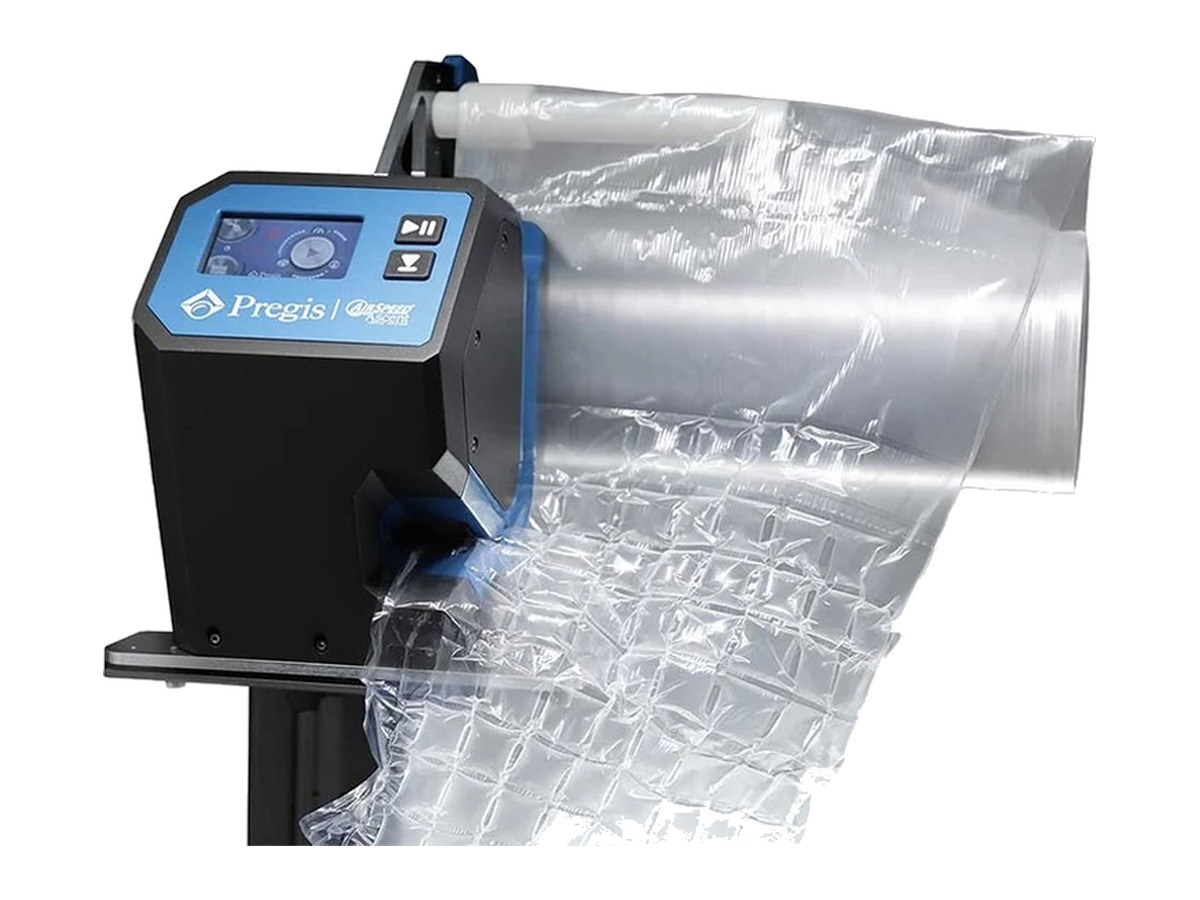
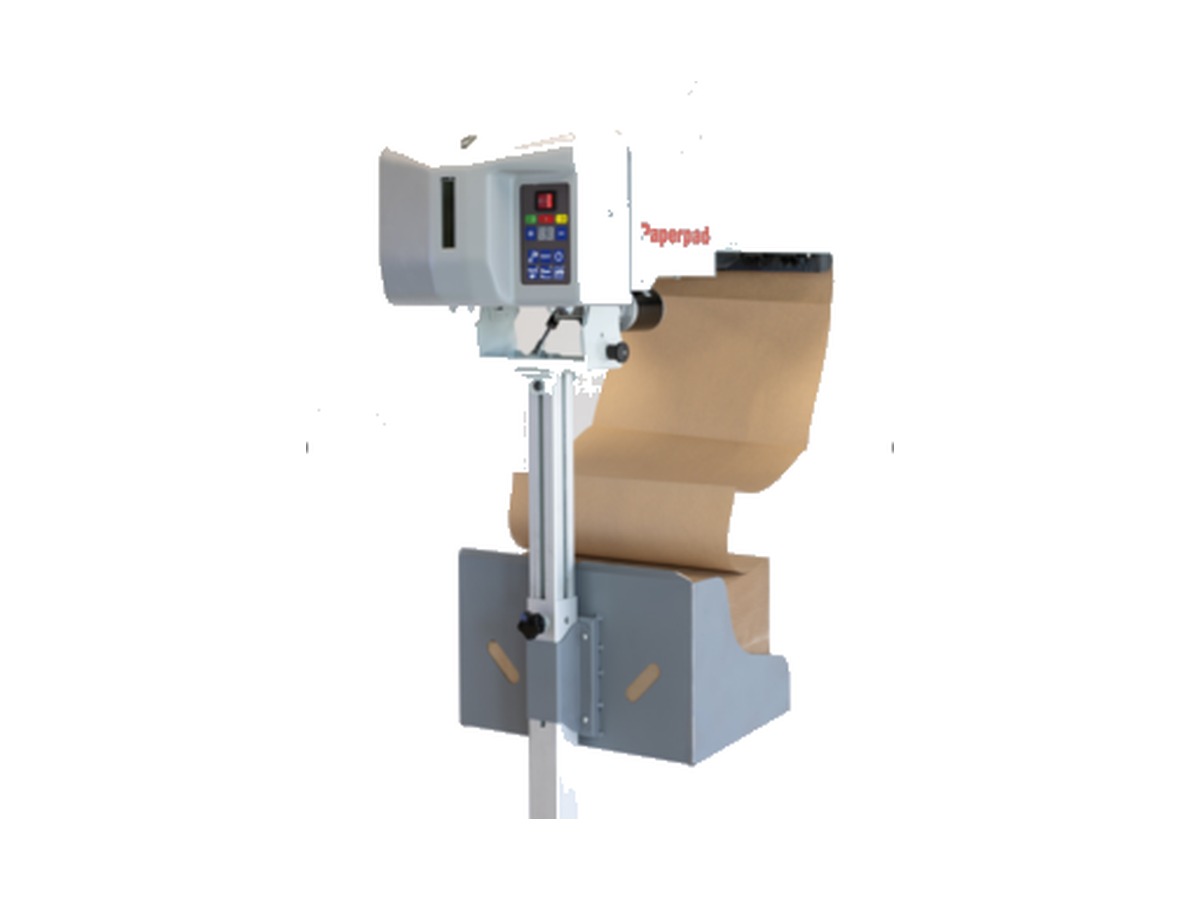
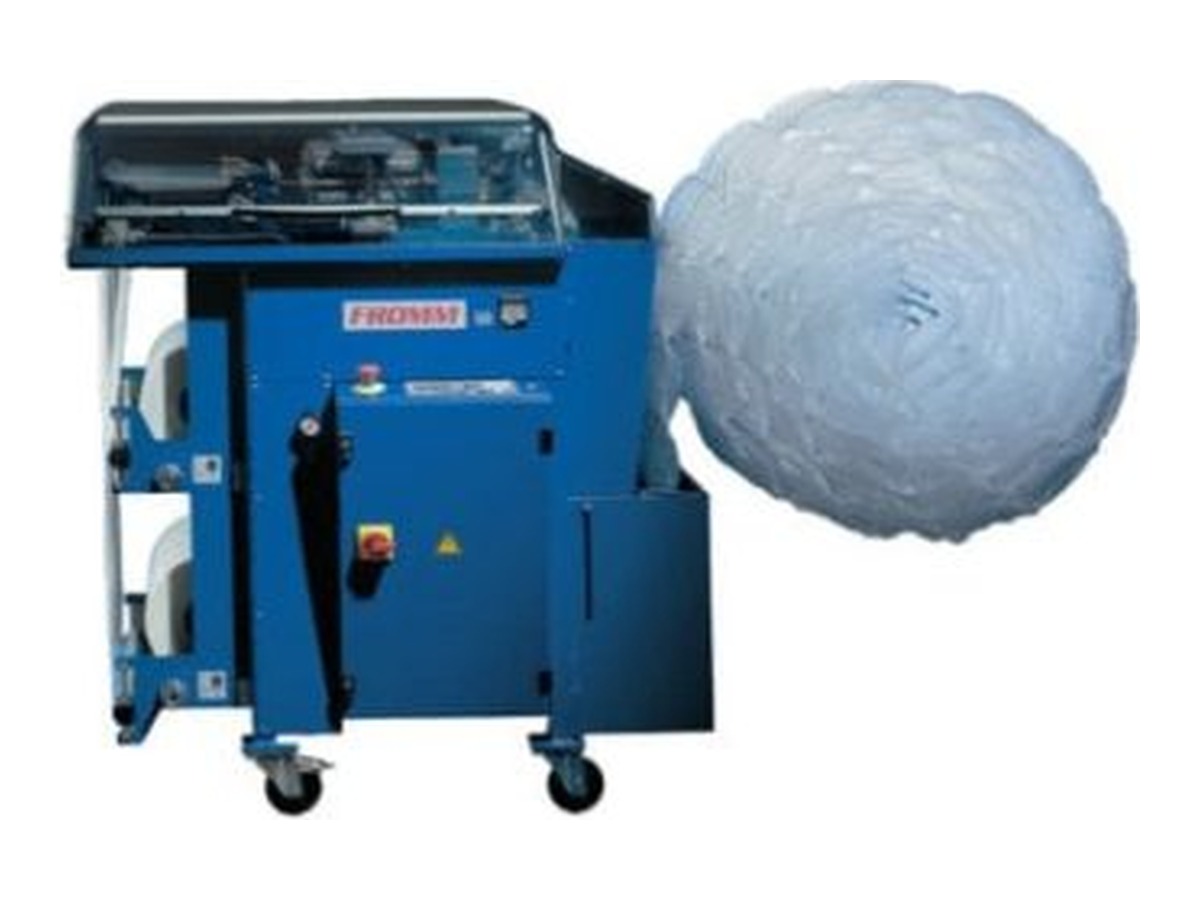
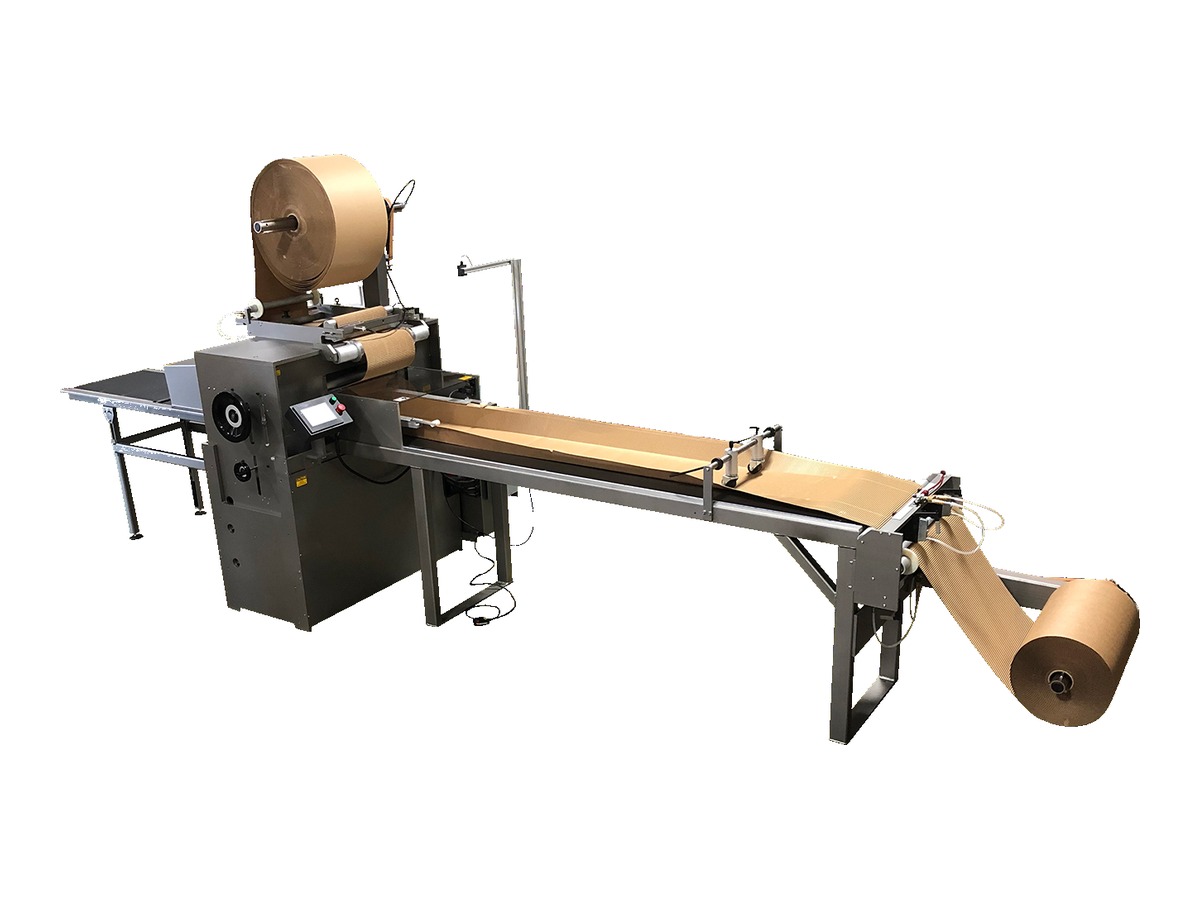
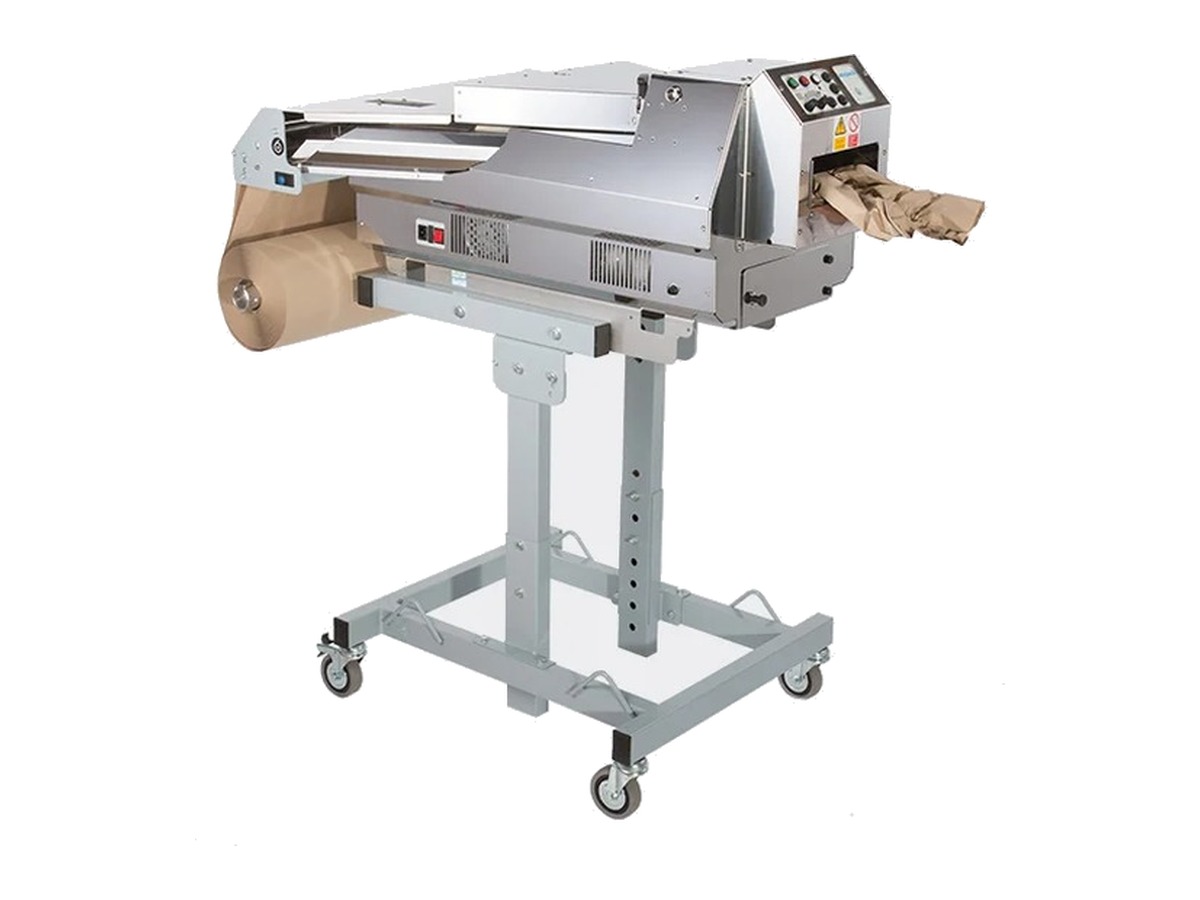
Paper & Air Dunnage

On-demand paper and inflatable air systems for cushioning, void fill, wrapping, blocking, and bracing.

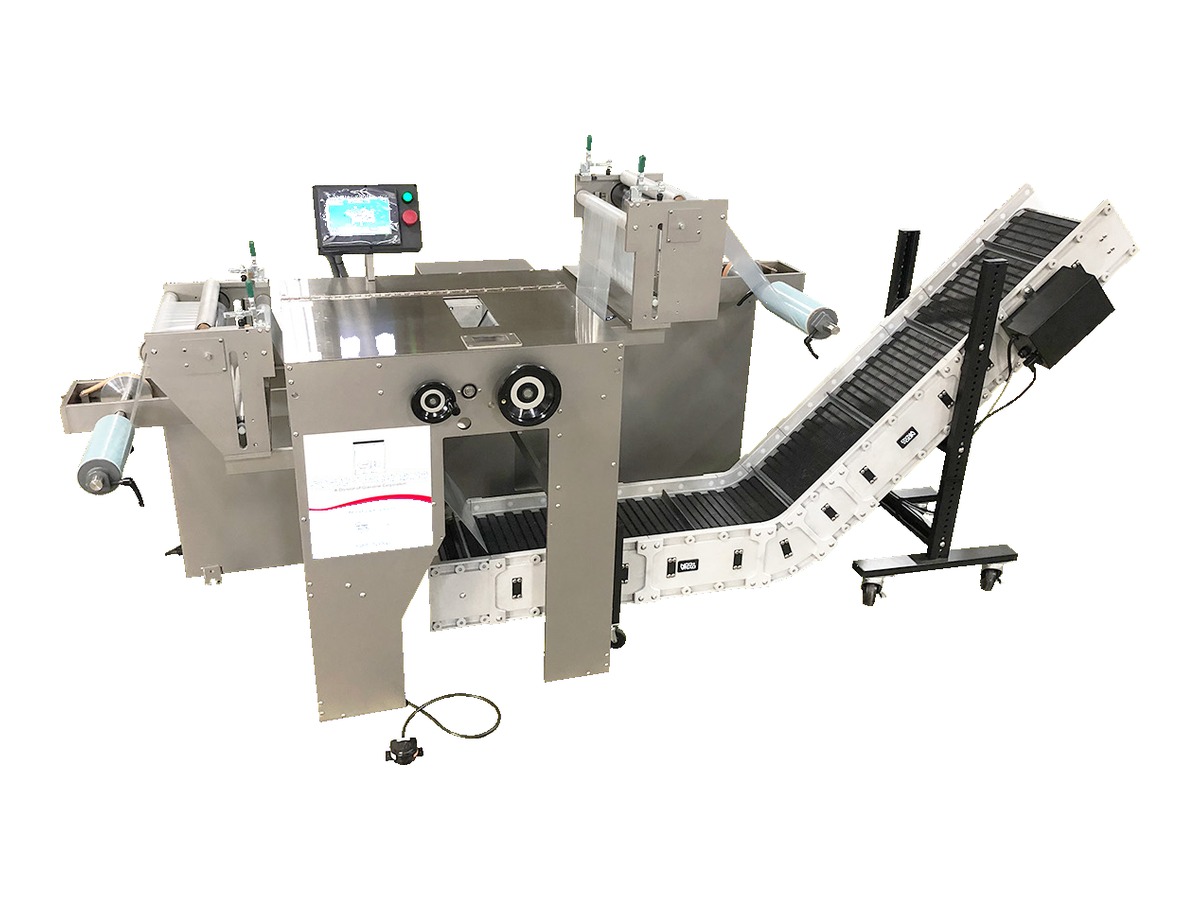
Cold-Seal Packaging

Tabletop, horizontal, and vertical systems that create protective packages using cold-seal materials.

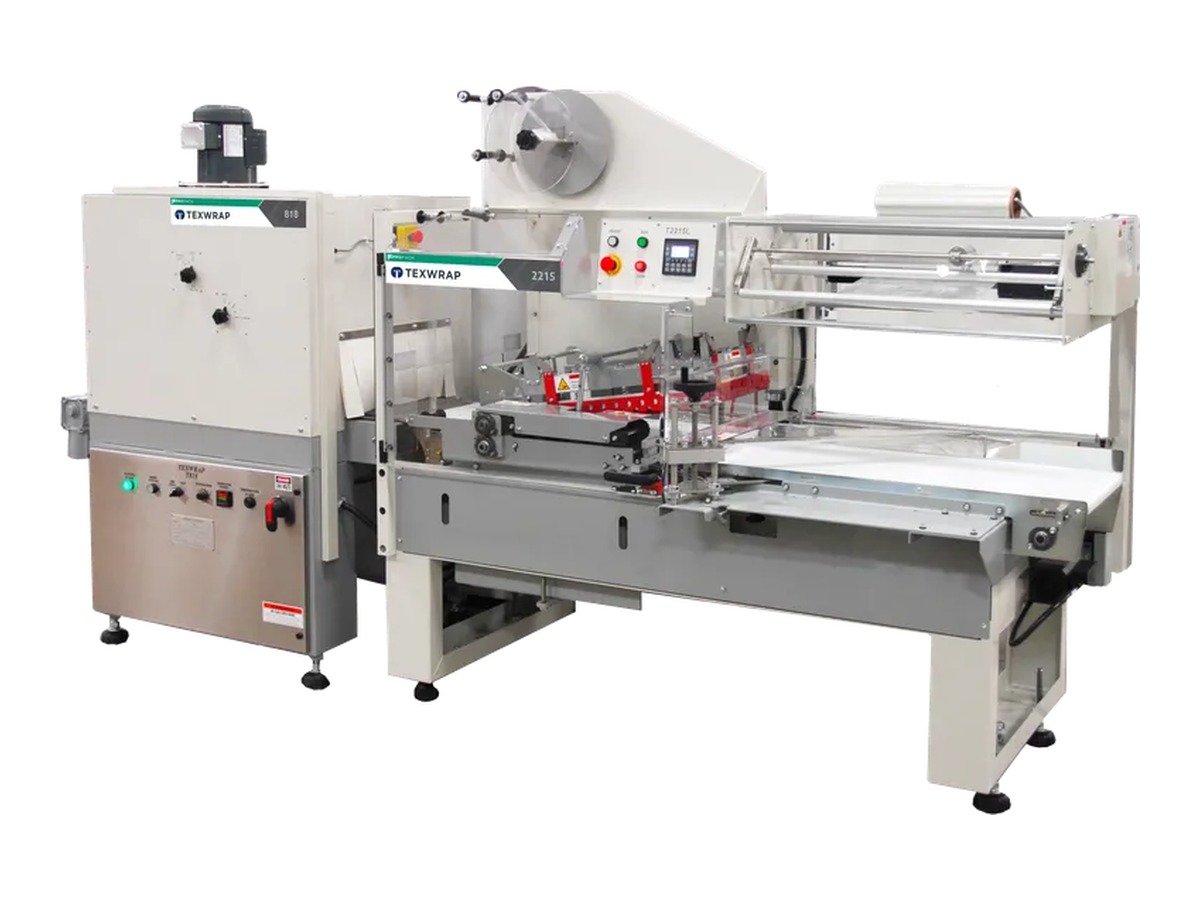
Shrink Packaging

Semi-automatic and automatic shrink systems for single products, multipacks, trays, bottles, and bundles.

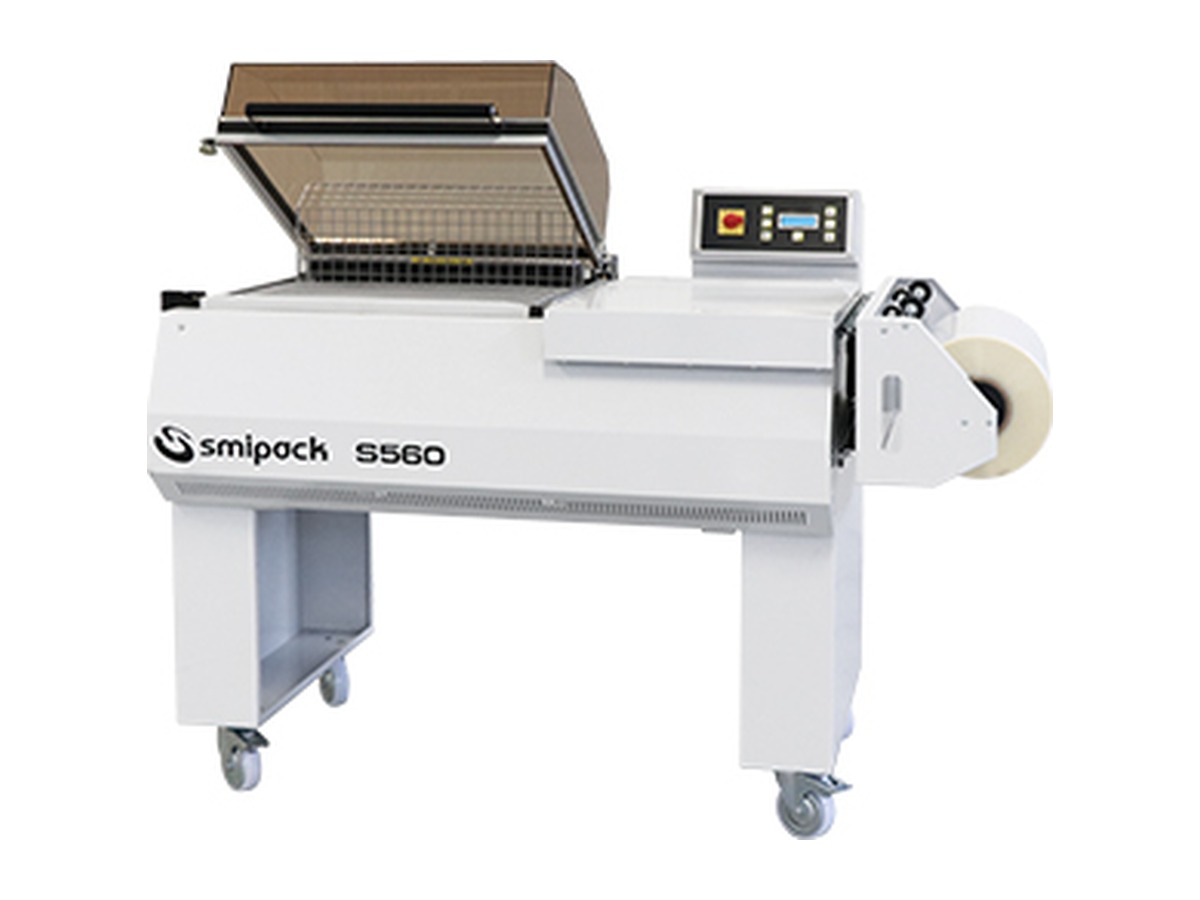
SMIPACK shrink packaging machine

SMIPACK

SMIPACK Shrink Packaging Family

A broad family of semi-automatic and automatic shrink-packaging systems for single products, multipacks, trays, bottles, cartons, and bundled goods.

SL and S hood packers, FP L-sealers, HS continuous sealers, BP shrink wrappers, and XP overlap wrappers.

  • Semi-automatic and automatic models
  • Single packs and multipacks
  • Hood, L-seal, and overlap formats

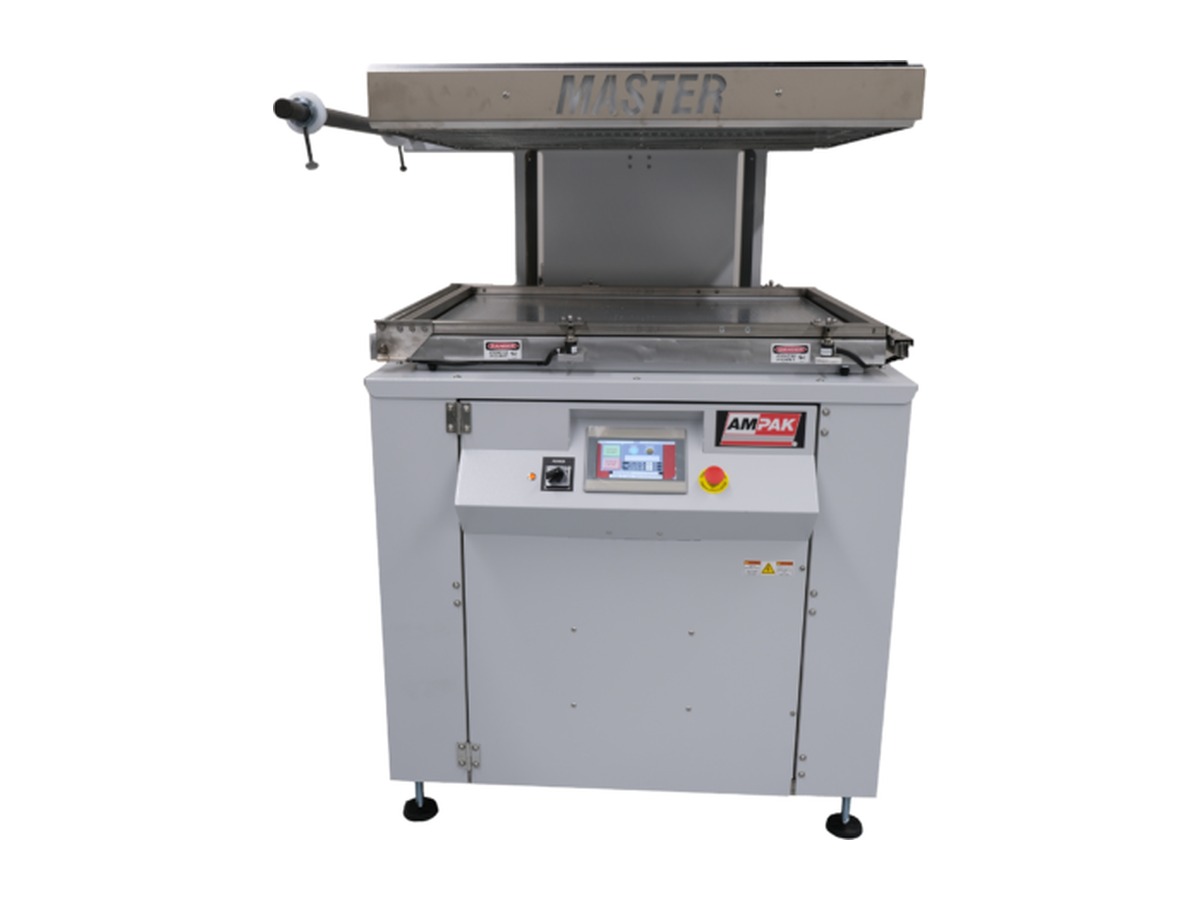
Skin Packaging

Systems that draw transparent film over a product and compatible backer material.

What Determines the Right Protective Packaging System?

Five areas usually determine the material and the equipment together.

Product Weight and Fragility

Document how much protection the product needs, where damage typically occurs, and how the item behaves in transit.

Void Fill, Cushioning, or Surface Protection

Determine whether the goal is filling space, absorbing impact, protecting surfaces, or holding the product in position.

Package Presentation

Consider whether the finished package must display the product, be reusable, or match a specific unboxing experience.

Material and Shipping Environment

Review the packaging material, recyclability expectations, storage conditions, and the handling the shipment will receive.

Packing Volume and Workstation Layout

Evaluate daily volume, the number of packing stations, operator workflow, material staging, and available space.

Related Equipment Pathways

Automatic Bagging & Mailer Systems

Compare bag and mailer packaging where a protective mailer may replace a box and void fill.

Explore Automatic Bagging & Mailer Systems

Case Forming, Cartoning & Case Packing

Right-size the box so less protective material is required in the first place.

Explore Case Forming & Packing Equipment

Packaging Automation Solutions

See how protection fits with forming, filling, sealing, and palletizing across the process.

Explore Packaging Automation Solutions

Integrated Systems

Connect protective packaging equipment with conveyors, packing stations, and production data.

Explore Integrated Systems

Related Solution

Packaging Automation Solutions

Explore how forming, filling, packing, protecting, sealing, wrapping, strapping, and palletizing can work together across a complete packaging process.

Integrated Systems

Connect packaging equipment with conveyors, coding, labeling, inspection, robotics, production data, and line controls.

Explore Integrated Systems

Service & Support

Request installation, training, preventive maintenance, troubleshooting, and repair support for eligible packaging equipment.

Explore Service & Support

Frequently Asked Questions

What is protective packaging equipment?

Protective packaging equipment creates cushioning, void fill, containment, surface protection, or a specialty package around a product. Systems may convert paper or film at the packing station, create a cold-sealed pouch, shrink film around a product, or draw skin film over a product and backer board.

What is the difference between paper and air cushioning?

Paper systems convert kraft paper into pads used for void fill, wrapping, blocking, and bracing. Air systems inflate film on demand to fill space and absorb impact. The right choice depends on product weight and fragility, packing-station workflow, material handling, and the presentation the shipment requires.

What is cold-seal packaging?

Cold-seal packaging forms a package using materials that bond under pressure rather than heat. It is commonly used for books, publications, parts, kits, and other items where a heat process is not desirable or necessary.

What is skin packaging?

Skin packaging draws transparent film over a product and a compatible backer material so the film conforms to the product. The result holds the product in place, keeps it visible, and provides protection during handling and display.

Protect the Product the Right Way

Describe the product, the shipment, and the packing workflow, and ATP can help identify an appropriate protective or specialty packaging method.

  • Product weight and fragility
  • Current damage or claims history
  • Required protection method
  • Package presentation
  • Packaging material preferences
  • Daily packing volume
  • Number of packing stations
  • Available space and material staging
  • Photographs, video, or samples