Apply dates, lot codes, barcodes, serial numbers, and variable information to films, webs, bags, pouches, closures, and specialized packaging applications.
Available approaches include multi-lane thermal inkjet, compact packaging-line coding, UV and fiber-film lasers, and application-specific bakery and produce systems.
Explore Flexible Packaging & Specialty Coding Systems
These systems cover multi-lane web coding, compact packaging-line printing, laser alternatives, and application-specific closure coding.
Norwix
Norwix thermal inkjet platforms cover multi-lane web integration and compact single-lane packaging coding.
Norwix
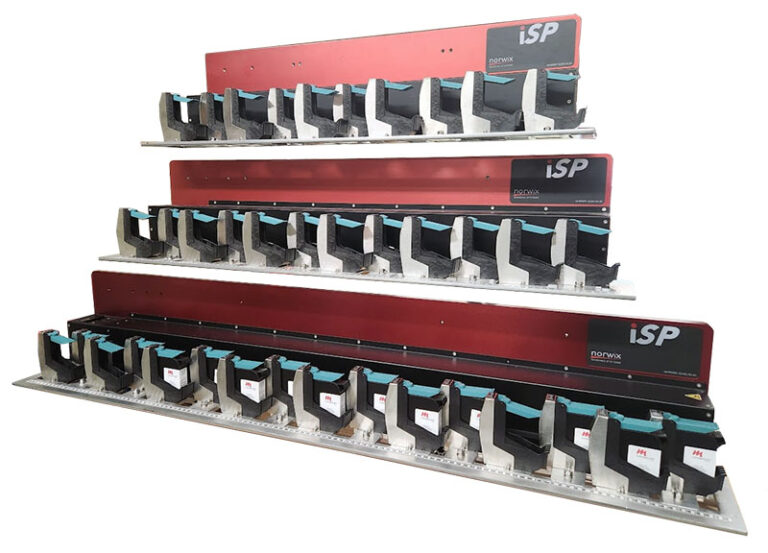
iSP
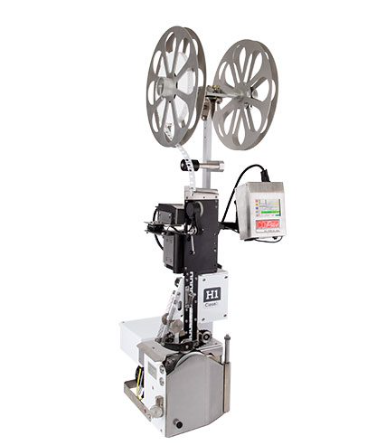
A configurable multi-lane thermal inkjet system designed for integration into vertical form-fill-seal and compatible roll-fed flexible-packaging machinery.
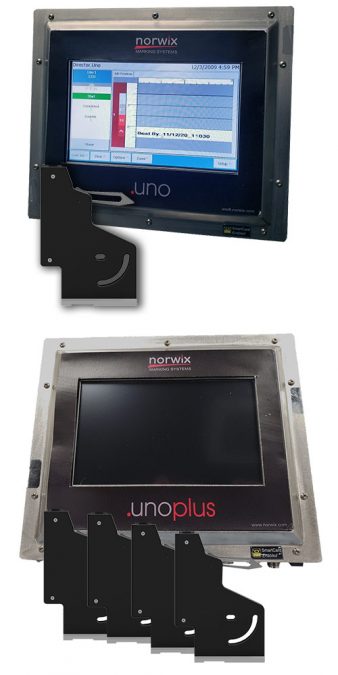
Turnkey single-head and expanded thermal inkjet coding systems for compact production-line applications where a controlled print distance is available.
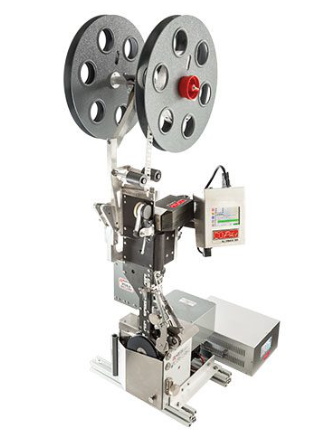
Squid Ink covers UV laser film coding along with specialty configurations for bakery and produce closure systems.
Squid Ink
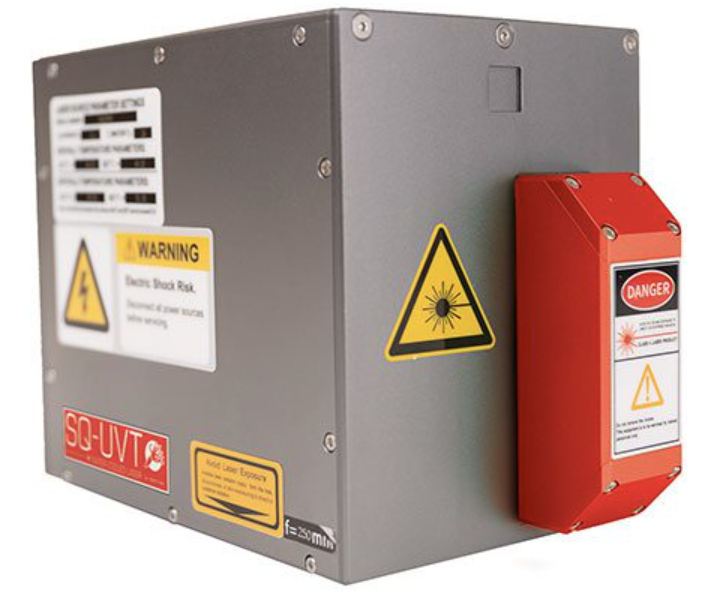
SQ-UVT Laser
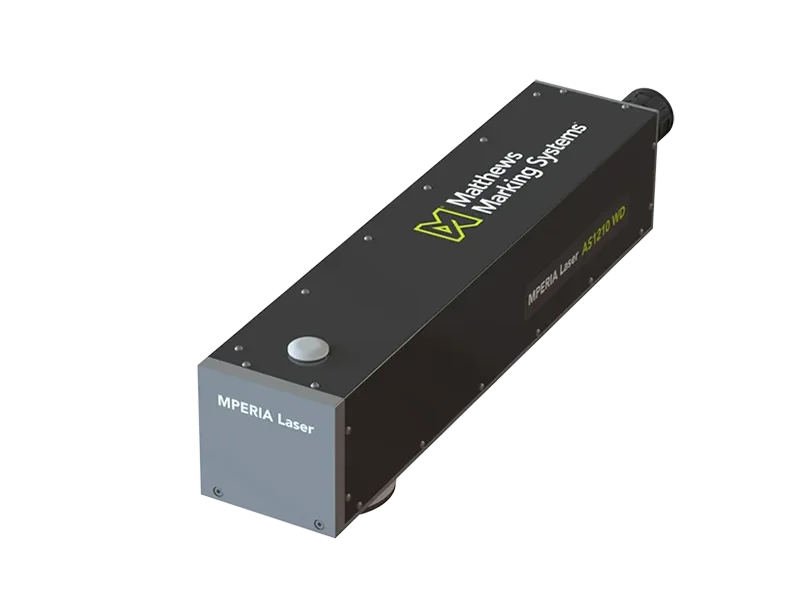
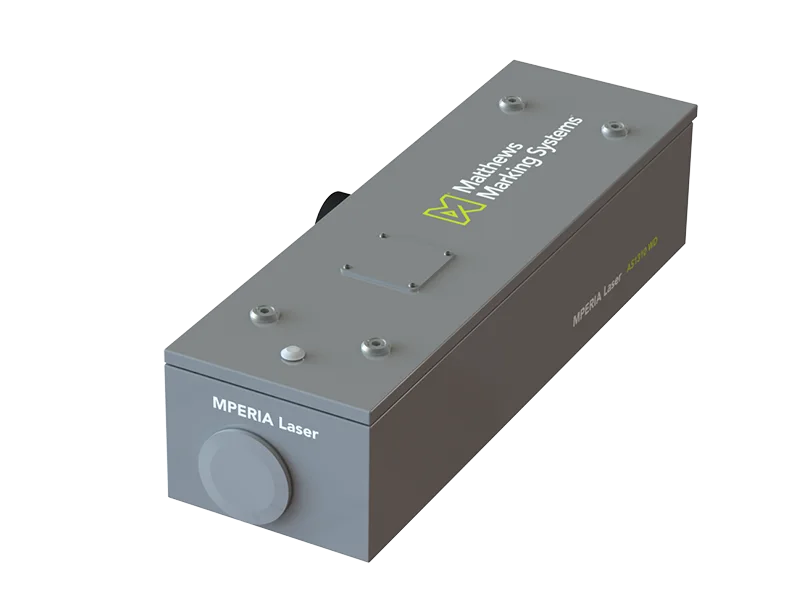
A UV laser system designed for permanent variable coding on flexible packaging film and integration with continuous or intermittent packaging machinery.
Configurable Smart-Jet systems may support flexible-film applications when the printhead, ink, substrate, mounting, and web motion are validated. Film compatibility is not universal and should be confirmed for each material.
MSSC
Smart-Jet TS Series
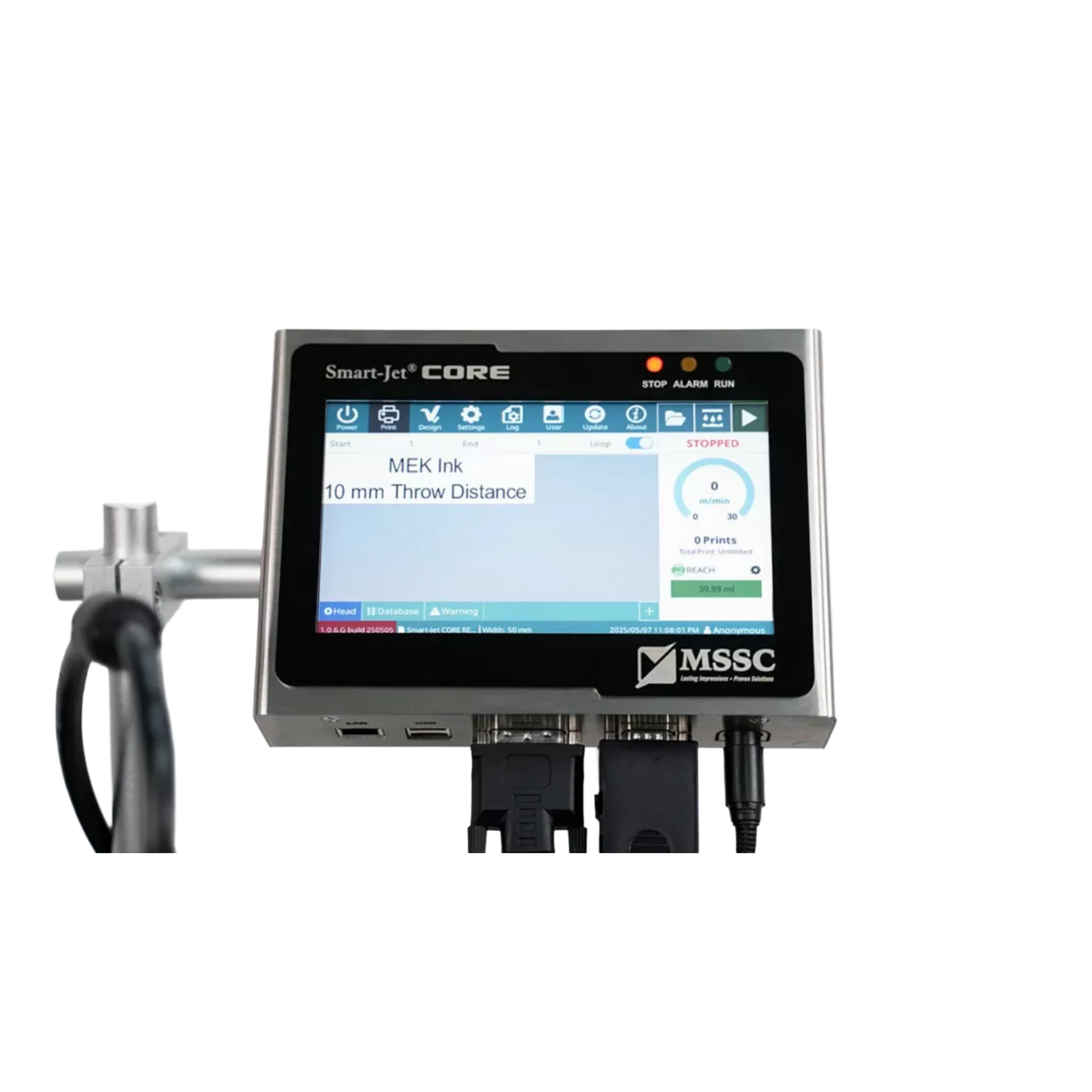
Touchscreen-controlled thermal inkjet systems supporting one, two, or as many as six compatible printheads for independent, stitched, multi-side, and wider-format printing.
Includes Smart-Jet CORE TS, Smart-Jet DUO, and Smart-Jet HEX
Some continuous inkjet systems may also support film and foil applications, depending on the ink selected, the substrate, the line speed, and the code required. Where the print position cannot be held close to the web, non-contact small-character coding is worth reviewing alongside the systems above.
What Determines the Right Flexible-Packaging Coding System?
Packaging-machine constraints usually shape the decision more than the printer specification does.
Film, Web, Bag, or Closure
Identify the material structure, any surface treatment or coating, and whether the code lands on the film, a preformed bag, a label panel, or a closure. Each surface behaves differently with ink and with laser energy.
Continuous or Intermittent Motion
Determine whether the web moves continuously or indexes and stops. Motion type dictates how the print is triggered and whether the code is applied on the fly or during a dwell period.
Number of Lanes and Print Locations
Multi-lane machines may need several print positions, or one wide system covering multiple lanes. Establishing lane count and spacing early avoids reworking the mounting later.
Ink, Laser, and Substrate Compatibility
Confirm adhesion, dry time, rub resistance, and whether a laser produces adequate contrast without compromising the film or the seal. This should be validated on production material.
Packaging-Machine Integration
Review available mounting space, the distance from the print position to the seal, machine signals for triggering, guarding, and how the coding system will be accessed for maintenance.
Related Equipment Pathways
Thermal Inkjet Printers
Review the full thermal inkjet collection, including the platforms configured here for packaging applications.
Explore how code content, substrates, production speed, product handling, inspection, data requirements, and downstream processes determine the appropriate coding technology.
Connect printers, lasers, sensors, conveyors, product handling, cameras, inspection, rejection, production data, and line controls into a coordinated workflow.
Depending on the film and the application, thermal inkjet systems, UV lasers, and fiber film lasers are all used to place variable information on flexible packaging. The right approach depends on whether the material is coated, how the web moves, and whether the code must survive heat sealing and handling.
What is the difference between TIJ, laser, and TTO?+
Thermal inkjet applies ink from a cartridge and suits many coated and treated films. Laser marking changes the film surface itself and adds no consumable ink. Thermal transfer overprinting uses a heated printhead and a ribbon; ATP's current manufacturer lineup addresses these applications through TIJ and laser systems rather than a conventional TTO product family.
Can coding equipment be retrofitted to a VFFS machine?+
Often yes, but compatibility must be confirmed. Available mounting space, web path and tension, whether motion is continuous or intermittent, the print position relative to the seal, machine signals for triggering, and the film itself all determine whether a retrofit is practical.
What information does ATP need to evaluate a flexible-film application?+
Useful details include a film sample and its structure, the packaging machine make and model, whether the web moves continuously or intermittently, the number of lanes and print positions, cycle speed, the required code content and size, and photographs or video of the machine area.
Discuss Your Flexible-Packaging Coding Application
Send film samples and details about the packaging machine, and ATP can help evaluate which coding approach suits the application.