Coding & Marking Equipment

Thermal Inkjet Printers

Print high-resolution text, barcodes, 2D codes, graphics, serial numbers, and variable production information with compact cartridge-based thermal inkjet systems.

TIJ systems can support products, packages, cartons, cases, films, and industrial materials when the printhead, cartridge, ink, substrate, line speed, and installation are correctly matched.

Explore Coding & Marking Solutions

Explore Thermal Inkjet Printers

These systems range from compact single-head coders to multi-head, wide-format, and OEM integration platforms.

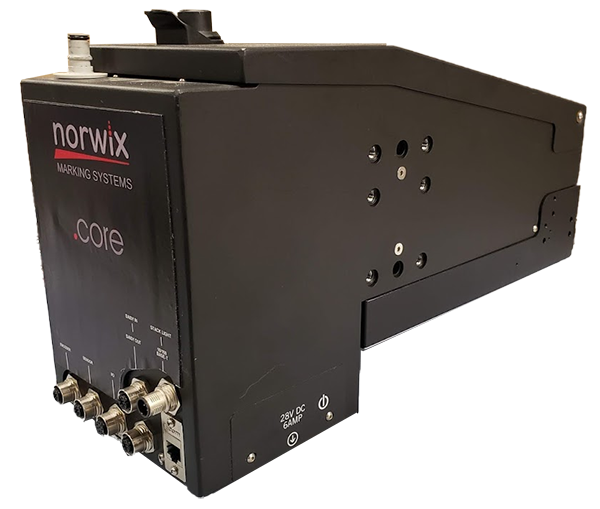
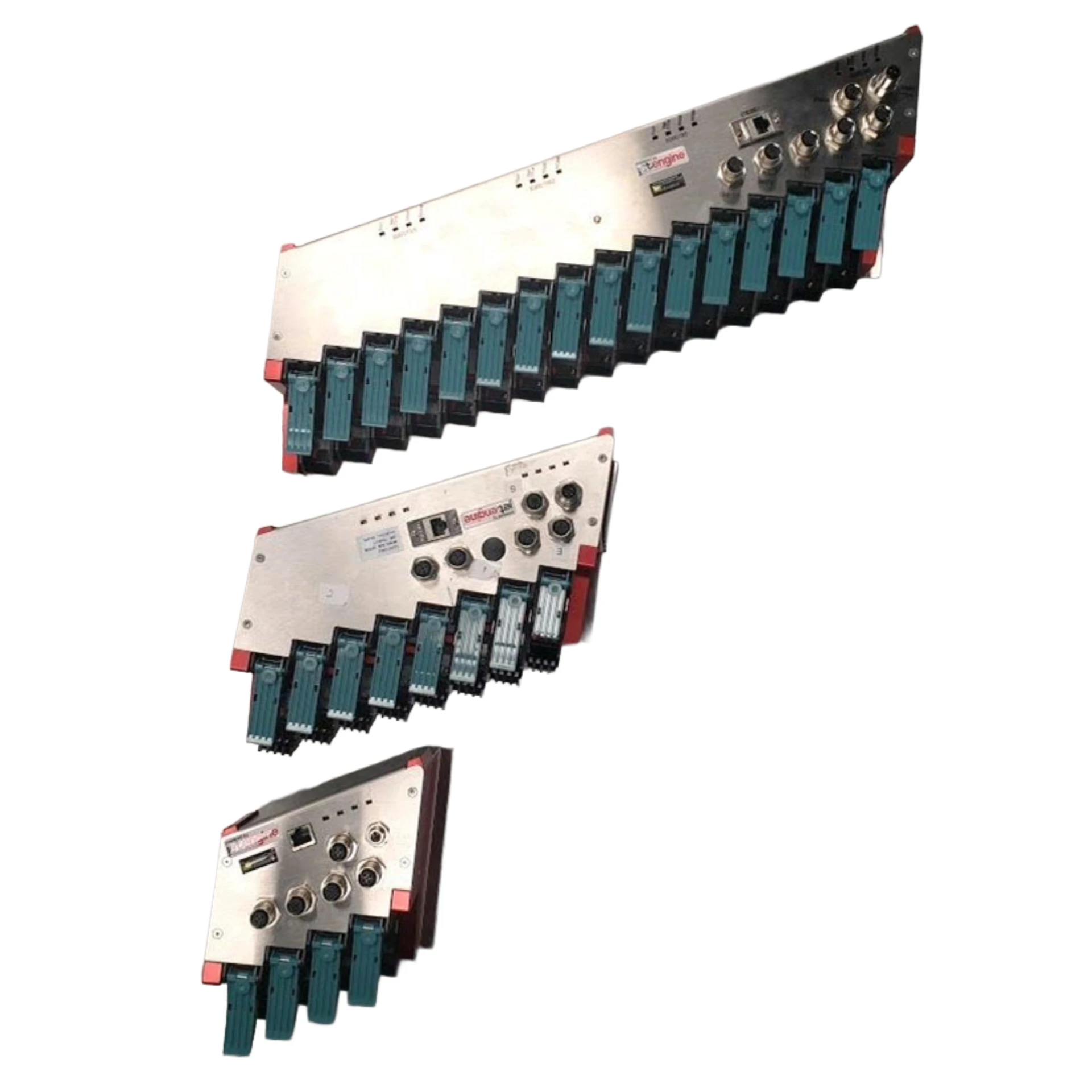
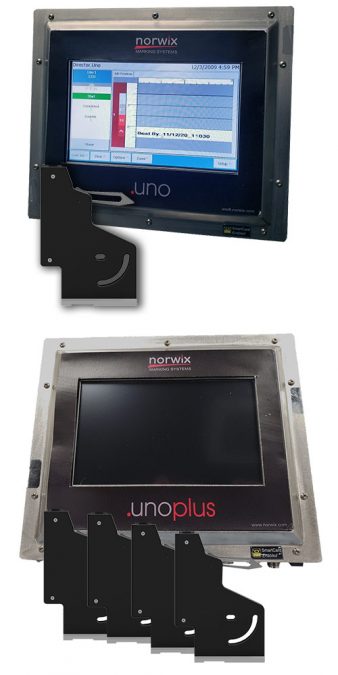
Norwix

Norwix TIJ 4.0 platforms cover compact coding through wide-format and fully configurable production integration.

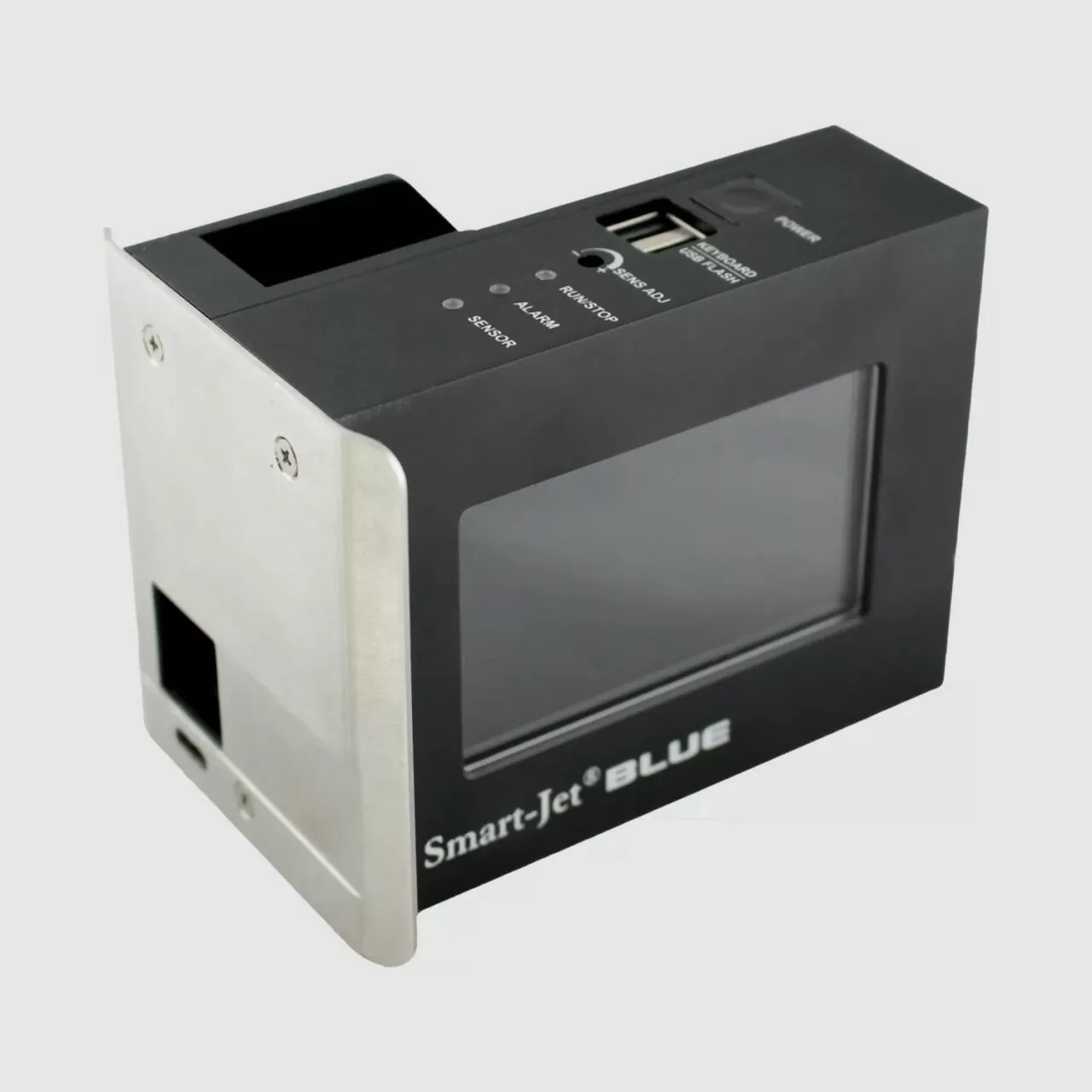
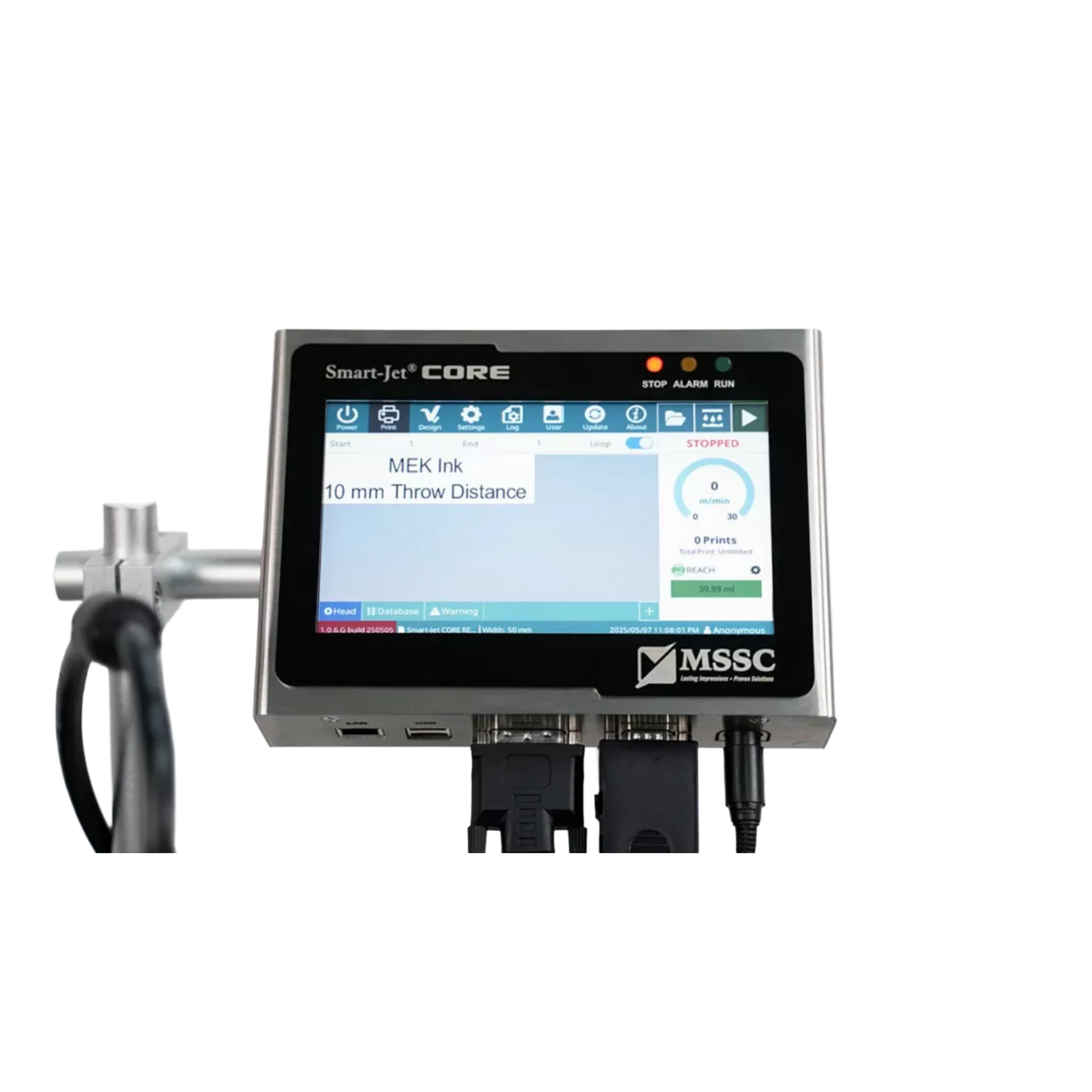
MSSC

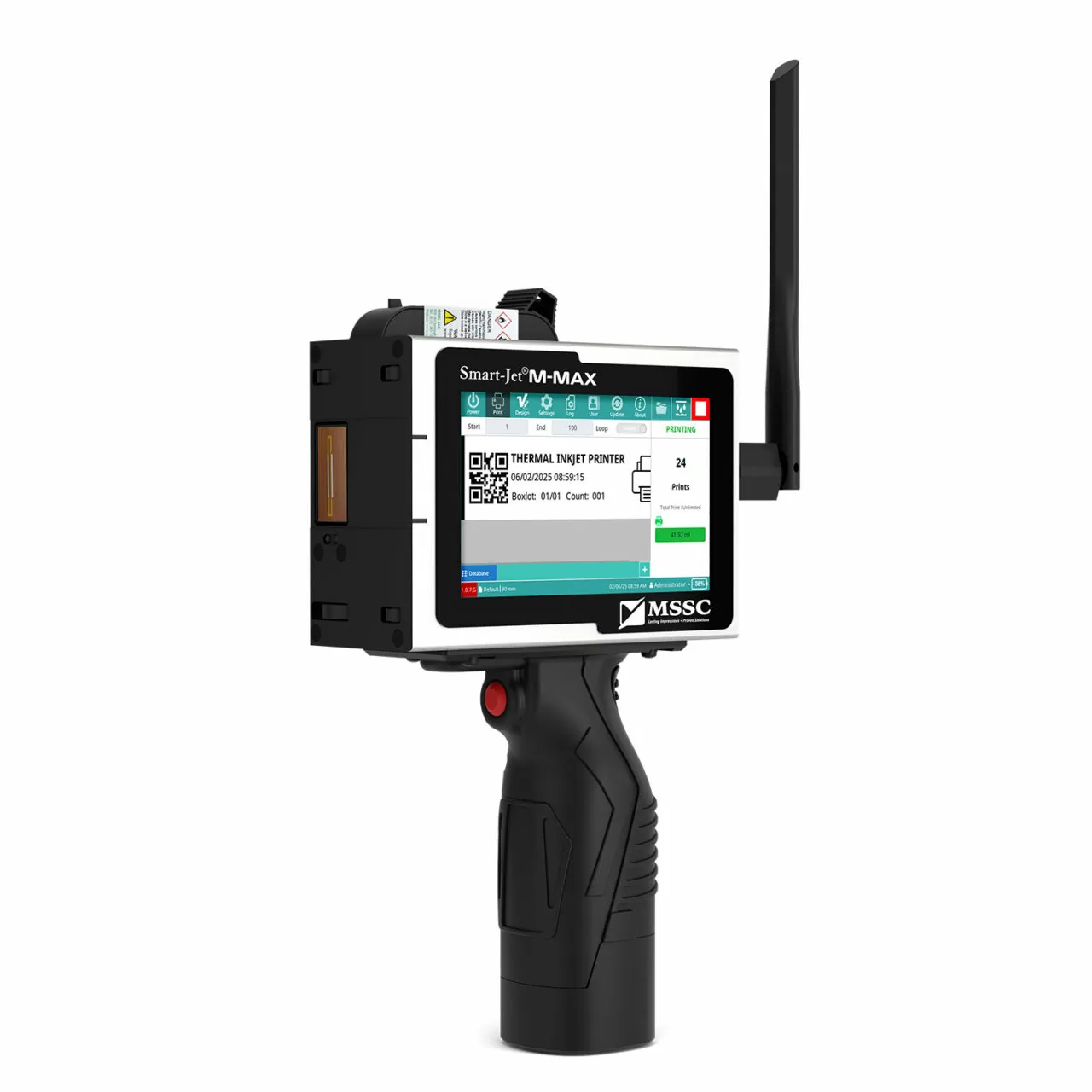
MSSC Smart-Jet systems cover standalone cartridge coding, touchscreen multi-head control, and portable handheld marking.

Matthews Marking Systems

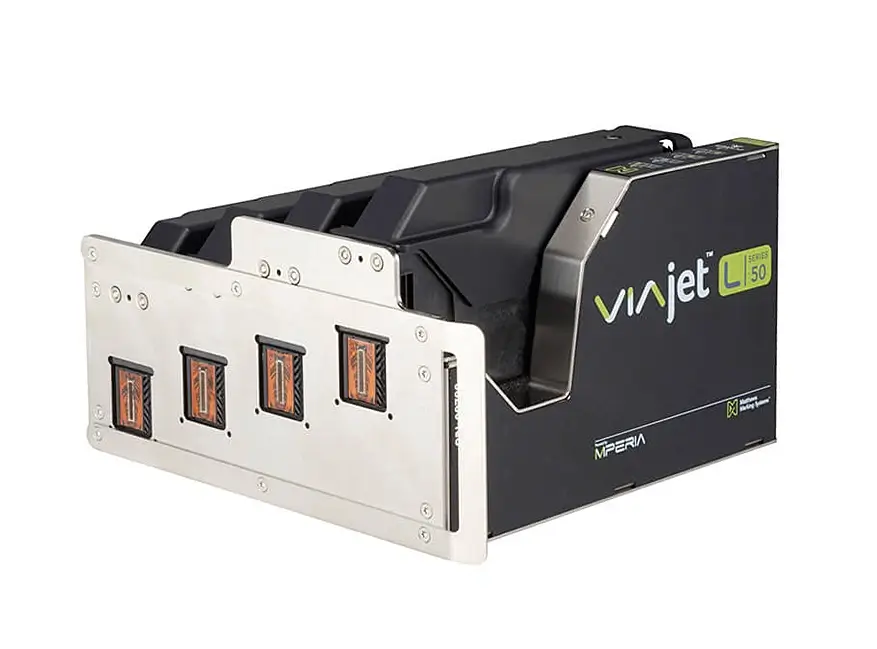
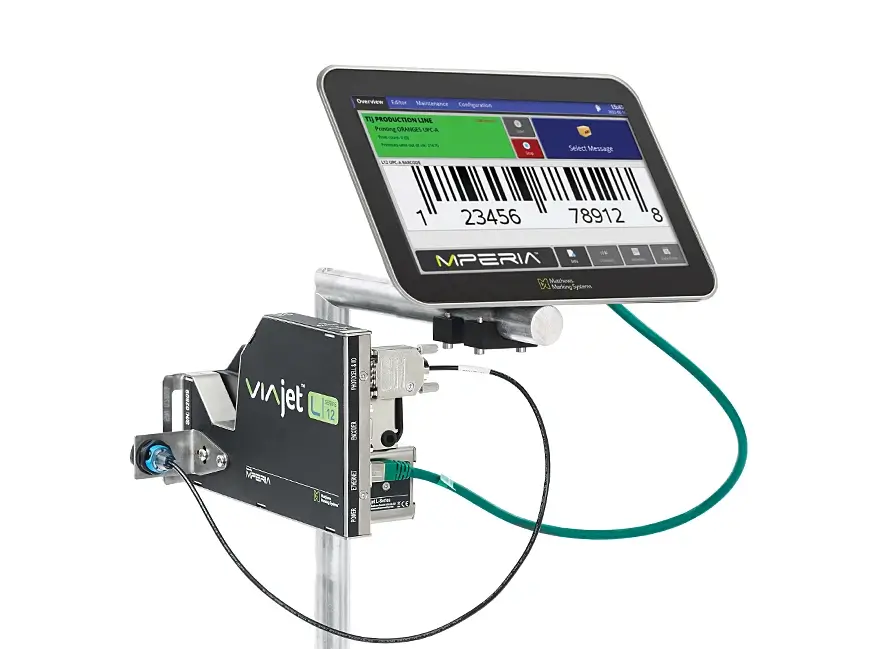
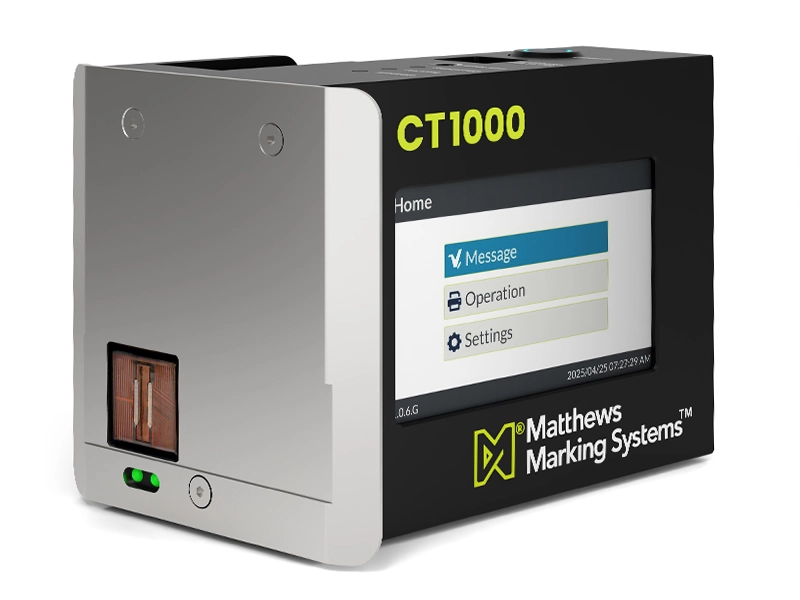
Matthews thermal inkjet products span a scalable printhead family, a bundled installation package, and a compact starter system.

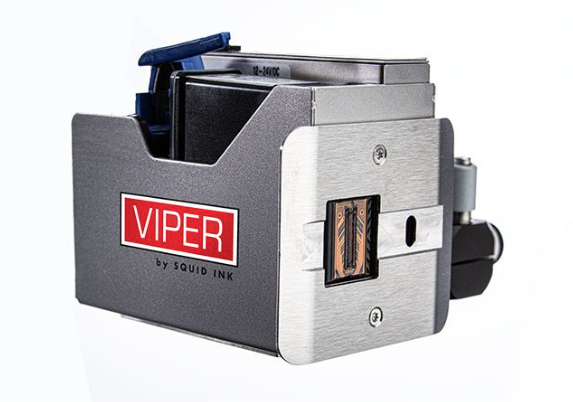
Squid Ink

Squid Ink thermal inkjet covers compact high-resolution coding on porous and nonporous products.

Wide-Format TIJ for Case and Carton Coding

When the printed area moves onto shipping cases and larger secondary packaging, the same thermal inkjet technology is usually configured for taller print heights. The Norwix UC22 and UC108, wider MSSC Smart-Jet configurations, and the Matthews L25 and L50 printheads are covered on the case and large-character page rather than duplicated here.

Explore Case, Carton & Large-Character Coding

What Determines the Right Thermal Inkjet System?

These five areas usually define the configuration before any specific model is chosen.

Required Print Height

Define the total printed height, including margin for placement variation. A single cartridge covers a limited height, so taller content typically requires a taller printhead or multiple stitched heads.

Substrate and Ink

Review whether the surface is porous or nonporous, how quickly the ink must dry, and whether the code must resist handling, abrasion, refrigeration, or moisture. Ink selection often narrows the equipment choice on its own.

Barcode and 2D-Code Requirements

Confirm the symbology, minimum code size, and whether a verified grade is required. Verification requirements affect print distance, speed, substrate, and whether an inspection camera belongs in the workflow.

Product Speed and Print Distance

Higher speeds and longer throw distances both reduce achievable resolution. Consistent product presentation past the printhead usually matters more to print quality than the rated maximum line speed.

Number and Orientation of Printheads

Determine how many surfaces must be printed and whether heads print independently, stitched together for greater height, or on opposite sides of the product. This drives the controller and mounting requirements.

Related Equipment Pathways

Continuous Inkjet Printers

Consider non-contact small-character coding when products are curved, irregular, or moving too fast for a short print distance.

Explore Continuous Inkjet Printers

Case, Carton & Large-Character Coding

Move to wide-format and drop-on-demand systems when the mark belongs on shipping cases or industrial materials.

Explore Case, Carton & Large-Character Coding

Laser Marking Systems

Evaluate permanent, consumable-free marking when ink handling, dry time, or code durability are concerns.

Explore Laser Marking Systems

Flexible Packaging & Specialty Coding

Review multi-lane and packaging-machine integration for films, webs, pouches, bags, and closures.

Explore Flexible Packaging & Specialty Coding

Related Solution

Coding & Marking Solutions

Explore how code content, substrates, production speed, product handling, inspection, data requirements, and downstream processes determine the appropriate coding technology.

Integrated Systems

Connect printers, lasers, sensors, conveyors, product handling, cameras, inspection, rejection, production data, and line controls into a coordinated workflow.

Explore Integrated Systems

Service & Support

Request installation, training, preventive maintenance, troubleshooting, and repair support for eligible coding and marking equipment.

Explore Service & Support

Frequently Asked Questions

What is thermal inkjet printing?

Thermal inkjet systems use replaceable cartridges or integrated printhead assemblies to fire ink on demand, producing high-resolution codes without a continuously circulating ink system. Because the ink is contained in the cartridge, routine upkeep is generally limited to cartridge changes and printhead cleaning.

What is the difference between TIJ and CIJ?

TIJ prints only when a droplet is required and typically produces higher-resolution text, graphics, and 2D codes at a short print distance. CIJ maintains a continuous ink stream, tolerates greater throw distances and product movement, and is often selected for small-character coding on fast or irregular products.

Can thermal inkjet print 2D codes?

Yes. TIJ is frequently used for Data Matrix and QR codes because of its resolution. Achieving a reliable verified grade depends on the substrate, ink absorption, print distance, product stability, print speed, and the code size specified by the customer or regulator.

What information does ATP need to recommend a TIJ system?

Useful details include the substrate, the required print height and content, whether barcodes must be verified, the line speed, the available mounting space and print distance, the number of print locations, ink and dry-time requirements, and photographs of the current process.

Build the Right Thermal Inkjet Configuration

Describe the code, the material, and the production line, and ATP can help identify an appropriate thermal inkjet configuration.

  • What must be printed
  • Product or package material
  • Code dimensions
  • Required barcode or 2D format
  • Production speed
  • Print location
  • Operating environment
  • Existing equipment
  • Inspection requirements
  • Photographs, video, or samples